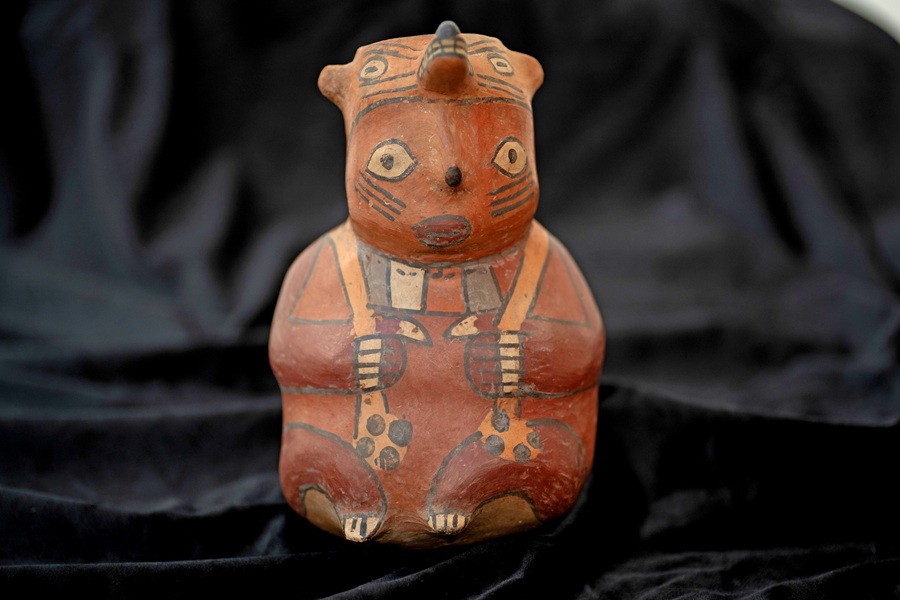
Tupananchiskama: Ancient Andean Cosmovision features works dating back more than 2,500 years
These pre-Columbian pieces will be on display at the Museum of Anthropology at UBC from March 19 until January 3, 2027.

These pre-Columbian pieces will be on display at the Museum of Anthropology at UBC from March 19 until January 3, 2027.
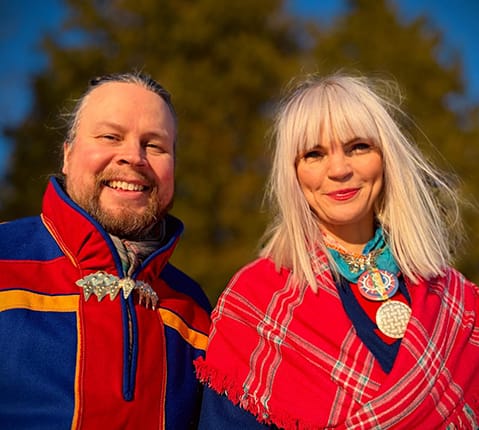
Their work is rooted in an ancient Sámi vocal tradition that is not sung about something, but is a person, place, animal, or memory.
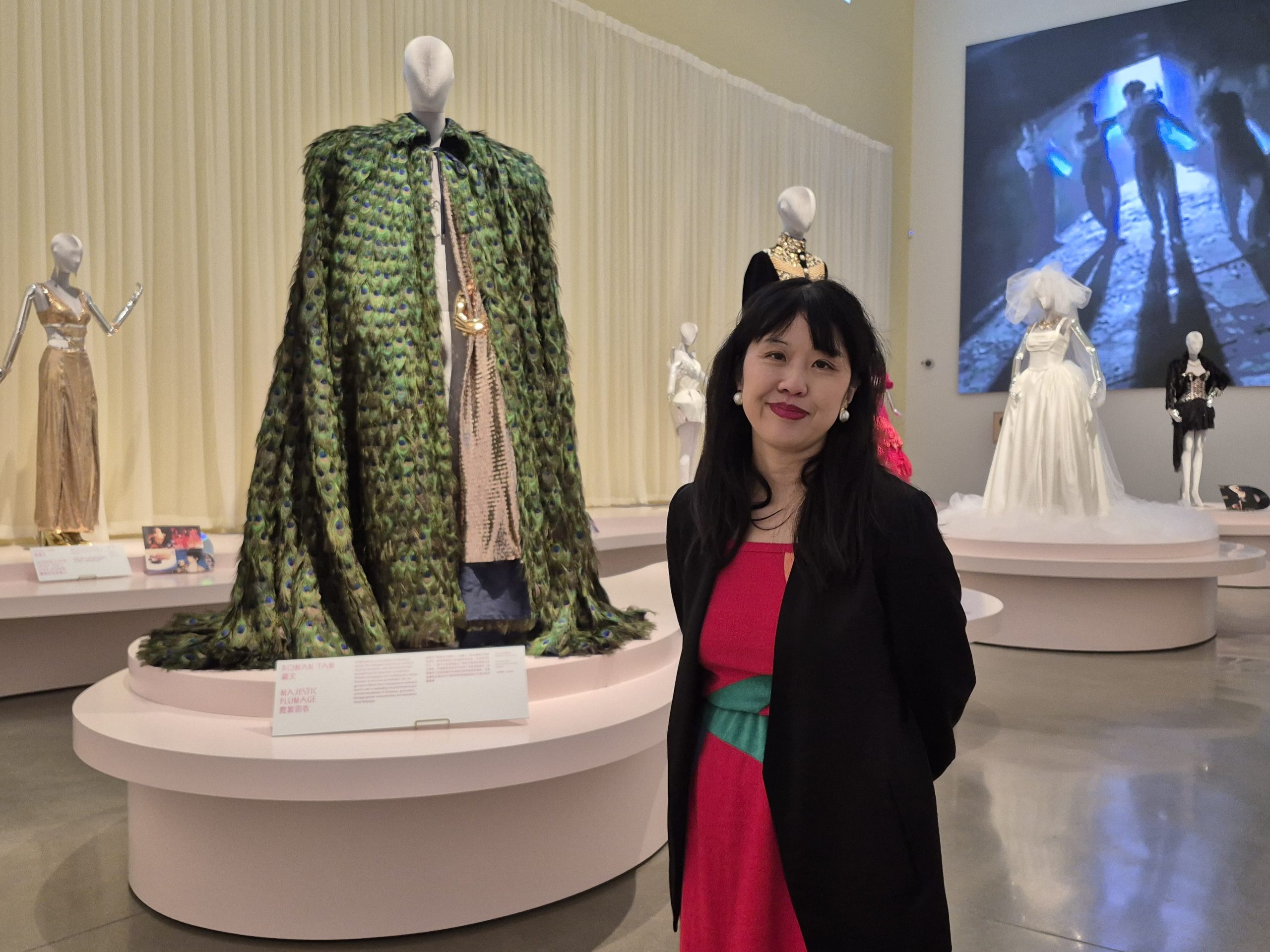
A celebration of sound, style, and diasporic imagination at the Chinese Canadian Museum has wowed a national award jury.

Fuyubi Nakamura curated the exhibition with help from young Tibetan-Canadian artists and students at Lodoe Kunphel Tibetan Language School.
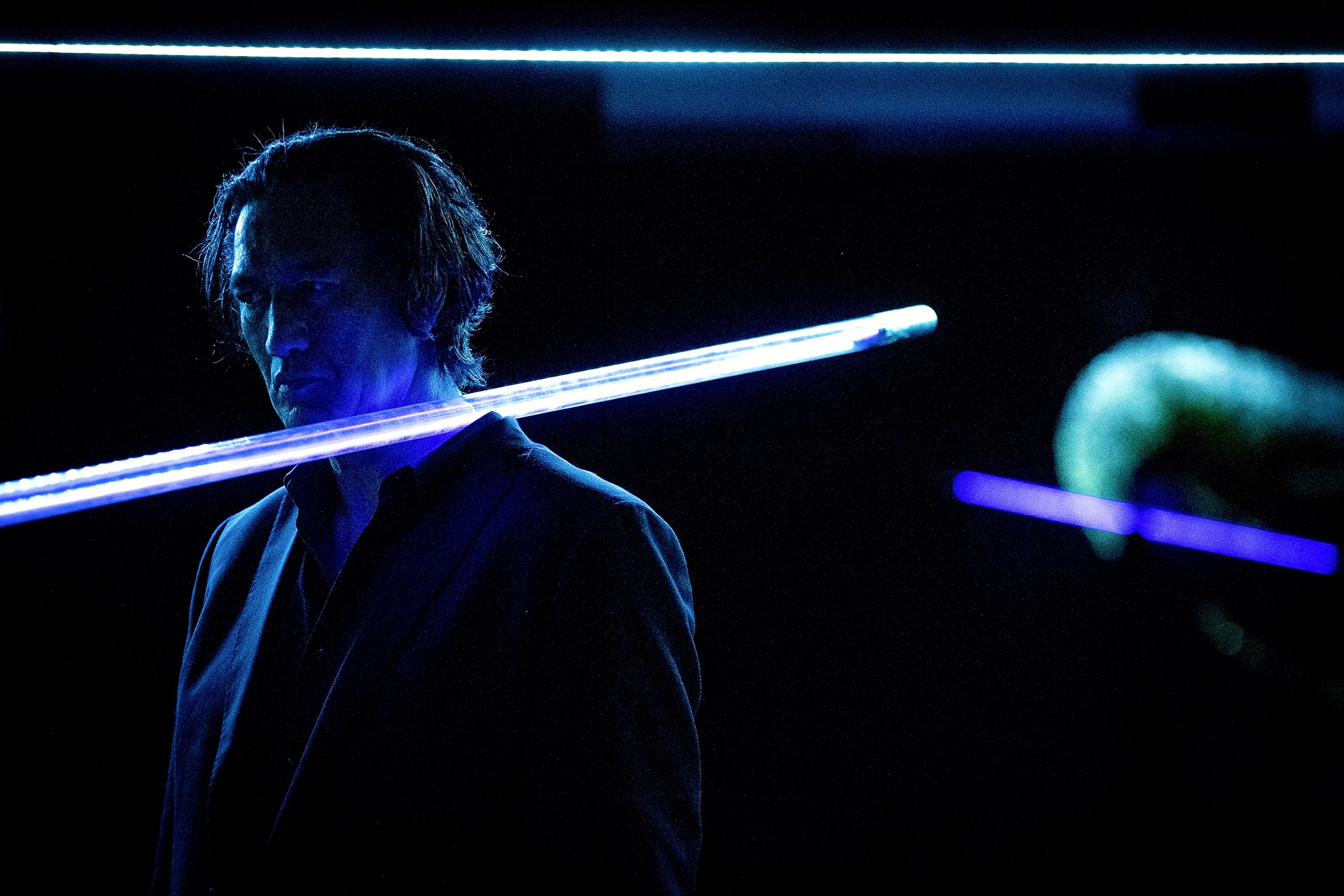
Koroneho describes himself as a “collaborative director” with the Dancers of Damelahamid, which is putting on the Coastal Dance Festival.

The museum exhibition illustrates the Nuxalk Nation’s efforts to revive ancestral government, laws, and protocols.

Xicanx has emerged as a more inclusive, gender-neutral, and anticolonial term for people of Latin American ancestry in the United States.


The Society of We Are Canadians Too created Pancouver to foster greater appreciation for underrepresented artistic communities. A rising tide of understanding lifts all of us.
This project is funded in part by the Government of Canada.
We would like to acknowledge that we are gathered on the traditional and unceded territories of the Coast Salish peoples of the xʷməθkwəy̓əm (Musqueam Indian Band), Skwxwú7mesh (Squamish Nation), and Səl̓ílwətaɬ (Tsleil-Waututh Nation). With this acknowledgement, we thank the Indigenous peoples who still live on and care for this land.
This project is funded in part by the Government of Canada.
The Society of We Are Canadians Too created Pancouver to foster greater appreciation for underrepresented artistic communities. A rising tide of understanding lifts all of us.
We would like to acknowledge that we are gathered on the traditional and unceded territories of the Coast Salish peoples of the xʷməθkwəy̓əm (Musqueam), Skwxwú7mesh (Squamish), and Səl̓ílwətaɬ (Tsleil-Waututh) Nations. With this acknowledgement, we thank the Indigenous peoples who still live on and care for this land.
Independent arts journalism needs readers like you!
If you value stories like this, please consider supporting Pancouver.