
The Nest co-directors Julietta Singh and Chase Joynt re-embody lost feminist histories
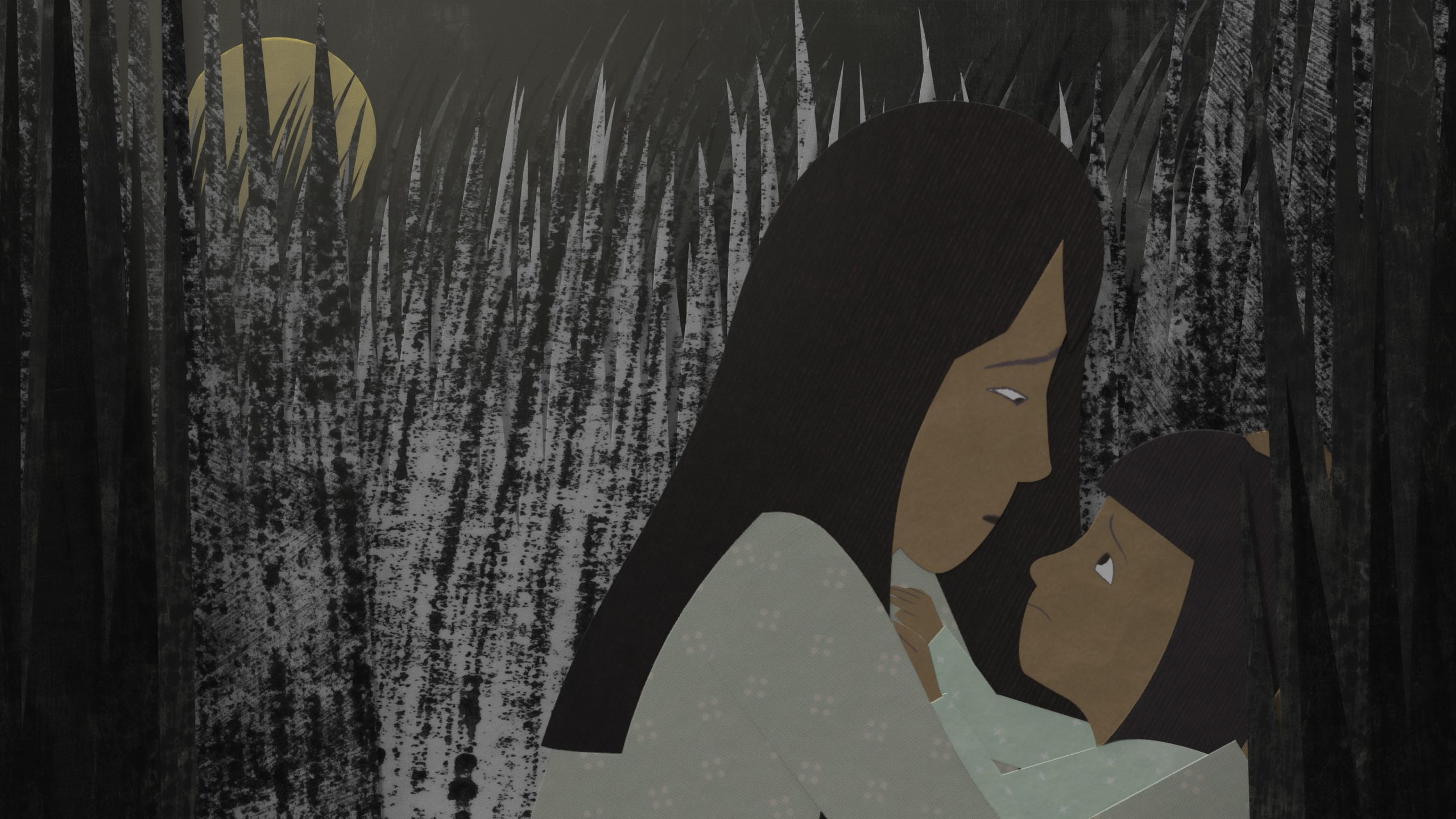
The Nest was built by a radical Métis matriarch, Annie Bannatyne, who helped spark the Red River Resistance led by Louis Riel.

The Nest was built by a radical Métis matriarch, Annie Bannatyne, who helped spark the Red River Resistance led by Louis Riel.

关于贾斯汀·杜鲁多 (Justin Trudeau) 决定辞任总理,外界将有各种评论。一些人可能批评他的大额赤字政策,或赞扬他在疫情期间推行的工资补贴计画,该计画帮助数百万加拿大人保住了工作。另一些人可能会聚焦于他对乌克兰的支持,或批评他未能大幅减少加拿大的温室气体排放。
關於賈斯汀·杜魯多 (Justin Trudeau) 決定辭任總理,外界將有各種評論。一些人可能批評他的大額赤字政策,或讚揚他在疫情期間推行的工資補貼計劃,該計劃幫助數百萬加拿大人保住了工作。另一些人可能會聚焦於他對烏克蘭的支持,或批評他未能大幅減少加拿大的溫室氣體排放。
Trudeau often said that diversity is Canada’s strength, and now Telefilm is funding features in a multitude of languages.
The co-director and co-writer of “Boat People”, Thao Lam, spent time in a Malaysian refugee camp as a toddler.

These films were all selected as part of the 14th edition of the Hothouse program, which attracted a record 401 applications.

Marjara has previously written a young-adult novel on anorexia, but in her short documentary, she turns the camera on herself.

Javahery built a custom animation rig to individually carve each 2D frame in clay while lighting it to create a negative and positive space.

The Japanese director’s animated short was inspired by Belgian-French poet and artist Henri Michaux’s 1956 book, Miserable Miracle.

Niall McNeil reveals himself to be a man full of heart—and humour—in this documentary directed by Marie Clements.

