
GEMFest 2026: Omorose Osagie explores grief felt for strangers in “Lost Wax”
In her poetic short film, Osagie applies her cinematic talents to two Edo tragedies—lost girls and lost artwork.

In her poetic short film, Osagie applies her cinematic talents to two Edo tragedies—lost girls and lost artwork.

Few Nigerian popular musicians have shown as much staying power as the man behind the #ElloBae and #WehDoneSir social media trends.

With 63 percent of Nigerians under 25 and high social media uptake, skits tap into abundant creative energy and mobile-first audiences.
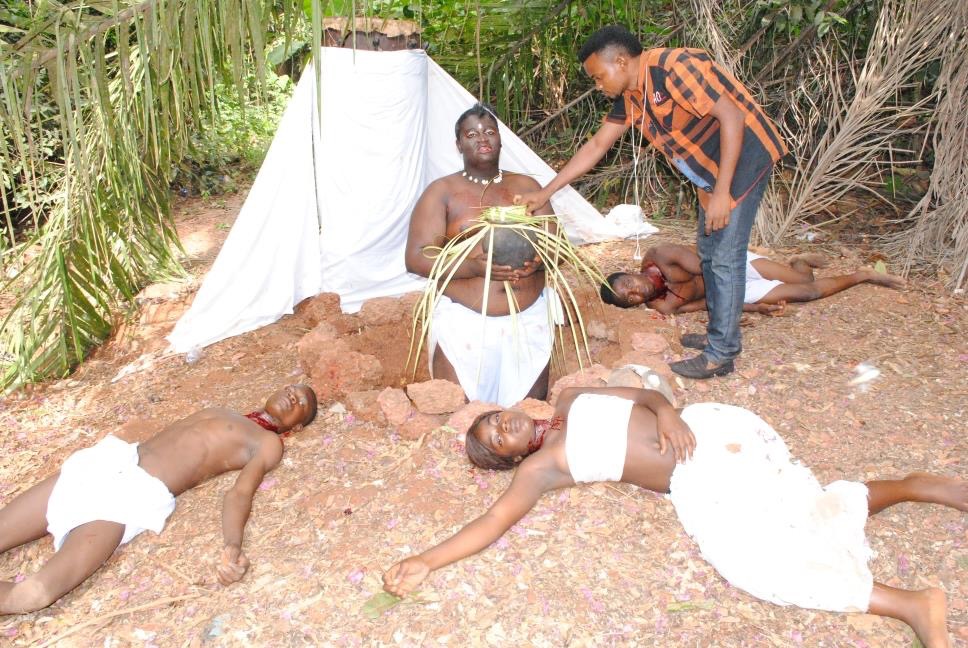
In Nigeria today, one doesn’t have to attend a church service to hear a sermon. The pulpit has moved onto screens and across YouTube.
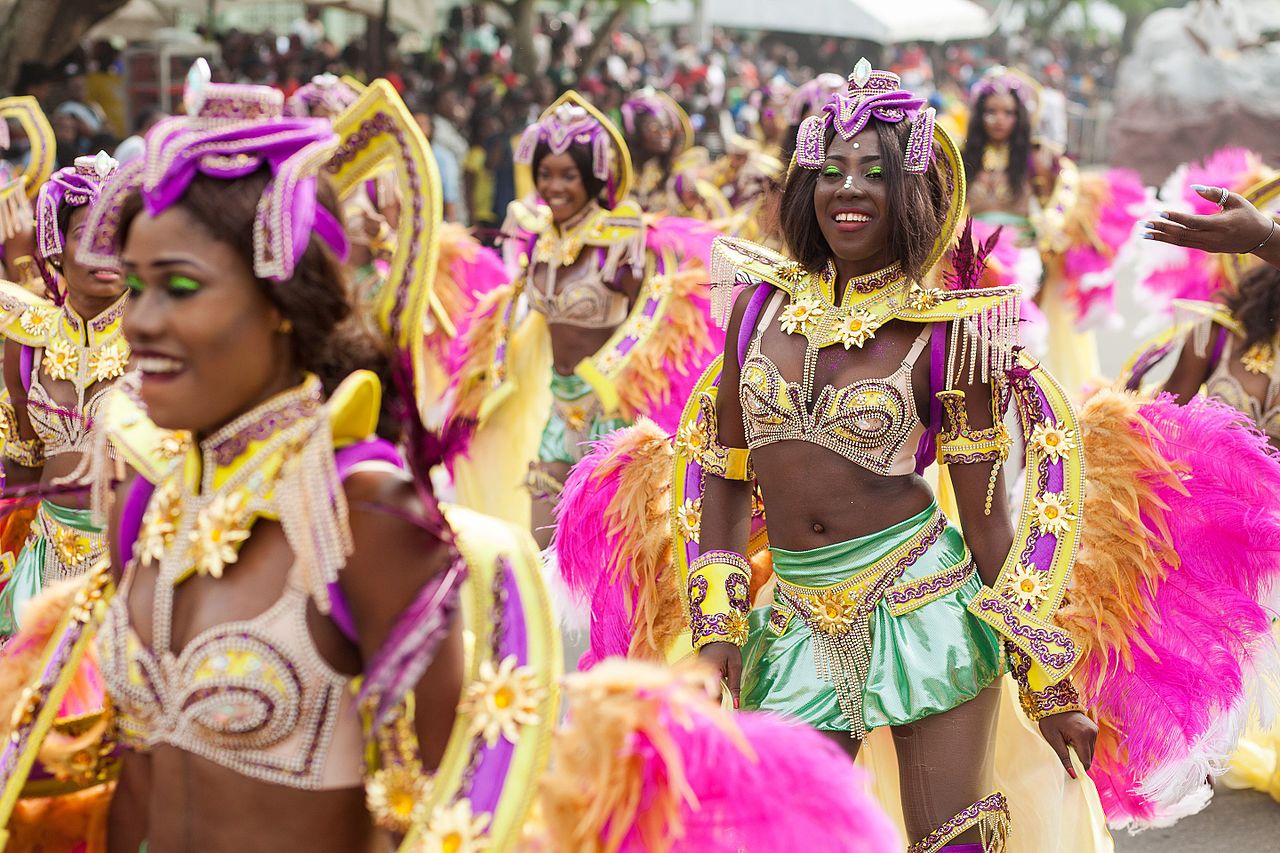
Locals and diasporic West Africans returning from overseas come together to create Detty December.
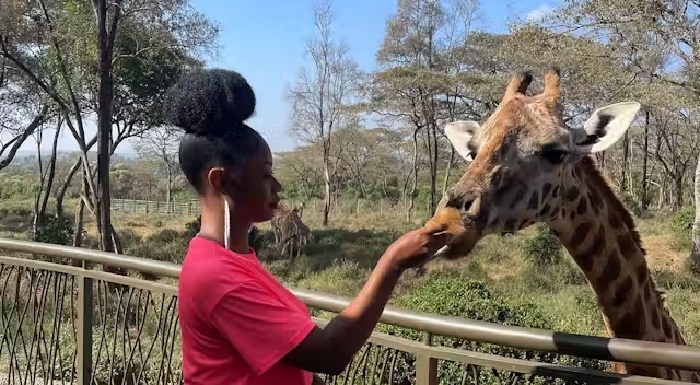
Ekezie, a humourist and journalist, has gained millions of followers with skits that poke fun at the world’s perceptions of the continent.
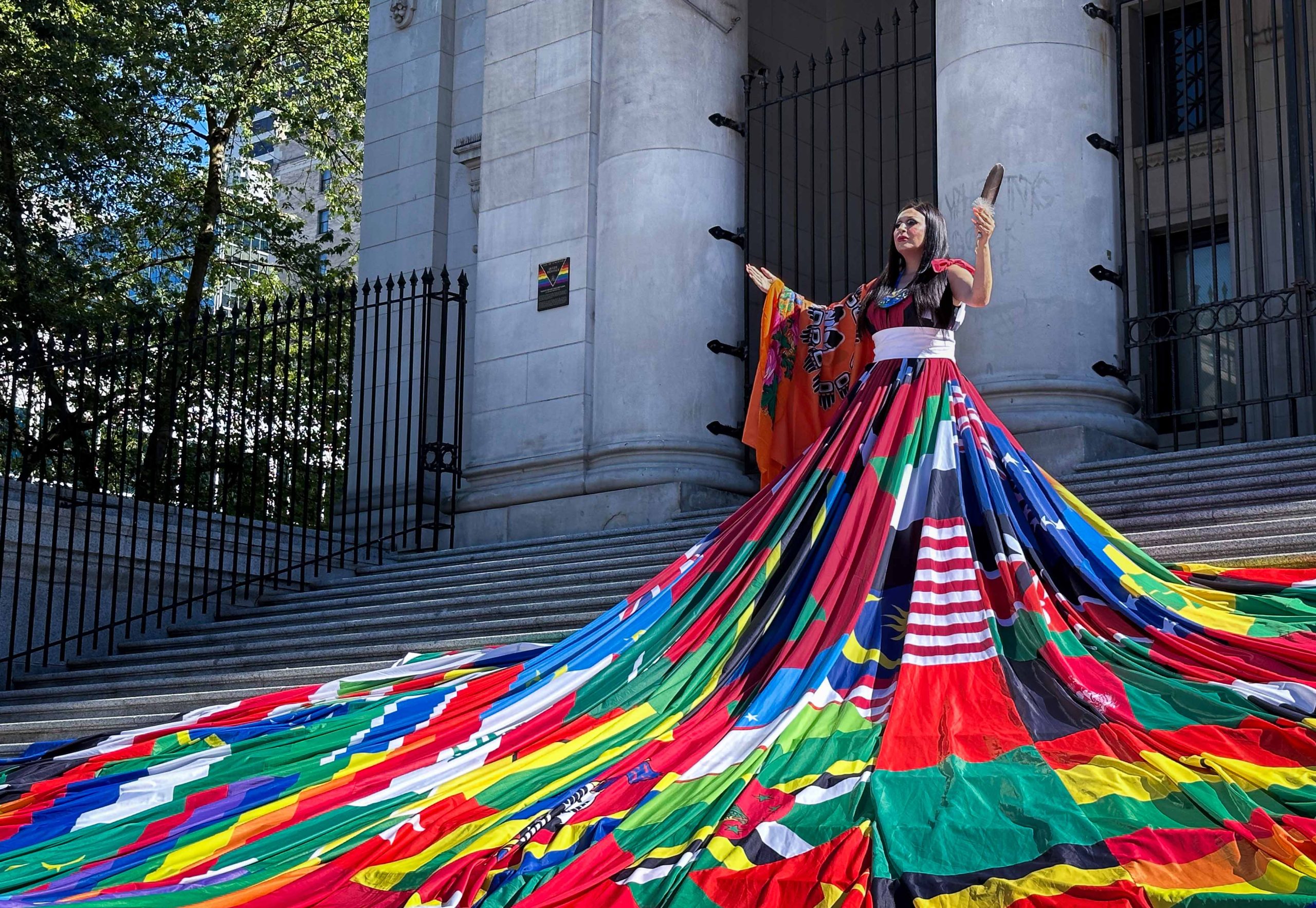
According to author Haley McEwen, Christian pro-family campaigning in Africa today can be viewed as retooling colonial control mechanisms.

Nollywood, a.k.a. the Nigerian film industry, is now become known for increasingly slick films that are able to attract big budgets.

University of Nigeria lecturer Ezinne Ezepue has chronicled the rise of the “New Nollywood”, which is reshaping the country’s film industry.

The Nigerian writer’s brilliant second novel, A Spell of Good Things, has been longlisted for the Booker Prize 2023.

