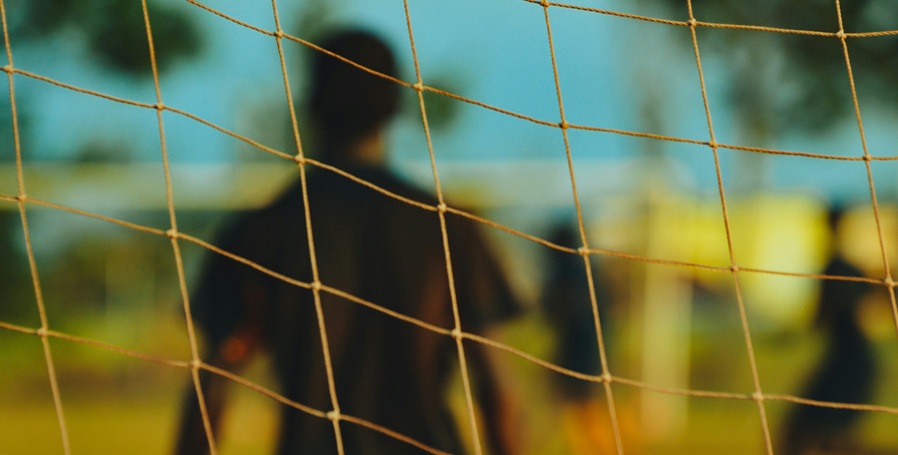
Why don’t FIFA and the Premier League treat racist abuse as a workplace hazard?
A 2024 study found that more than half of the 101 active professional soccer players surveyed reported psychological distress,

A 2024 study found that more than half of the 101 active professional soccer players surveyed reported psychological distress,

Racial microaggressions, specifically, are experiences of racism that take the form of slights, exclusions, assumptions, and invalidation.
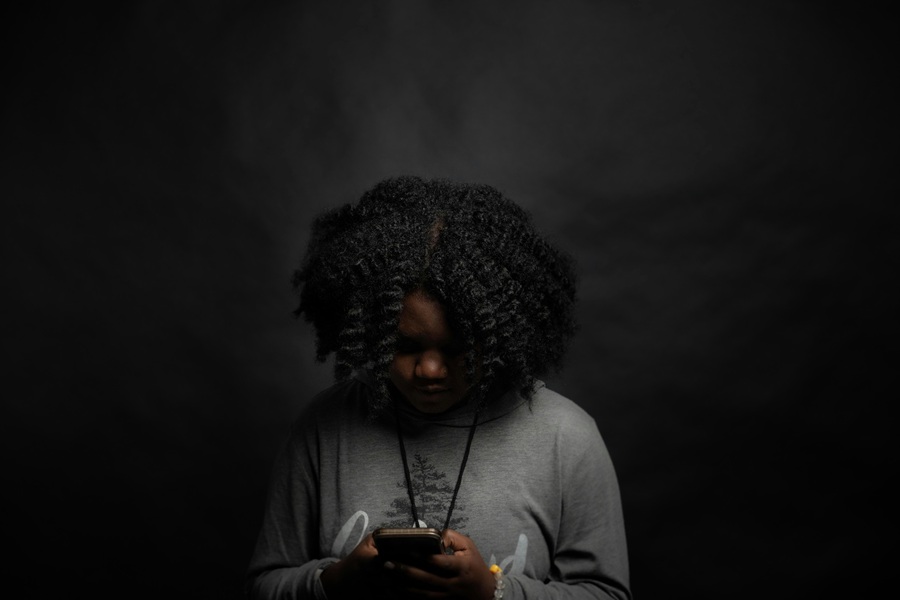
Thanks to algorithmic systems, AI narratives that tap into deep-seated fears and anxieties travel farther and faster than ever before.

Intimate racism exists in close relationships, and it requires special attention, according to academics.
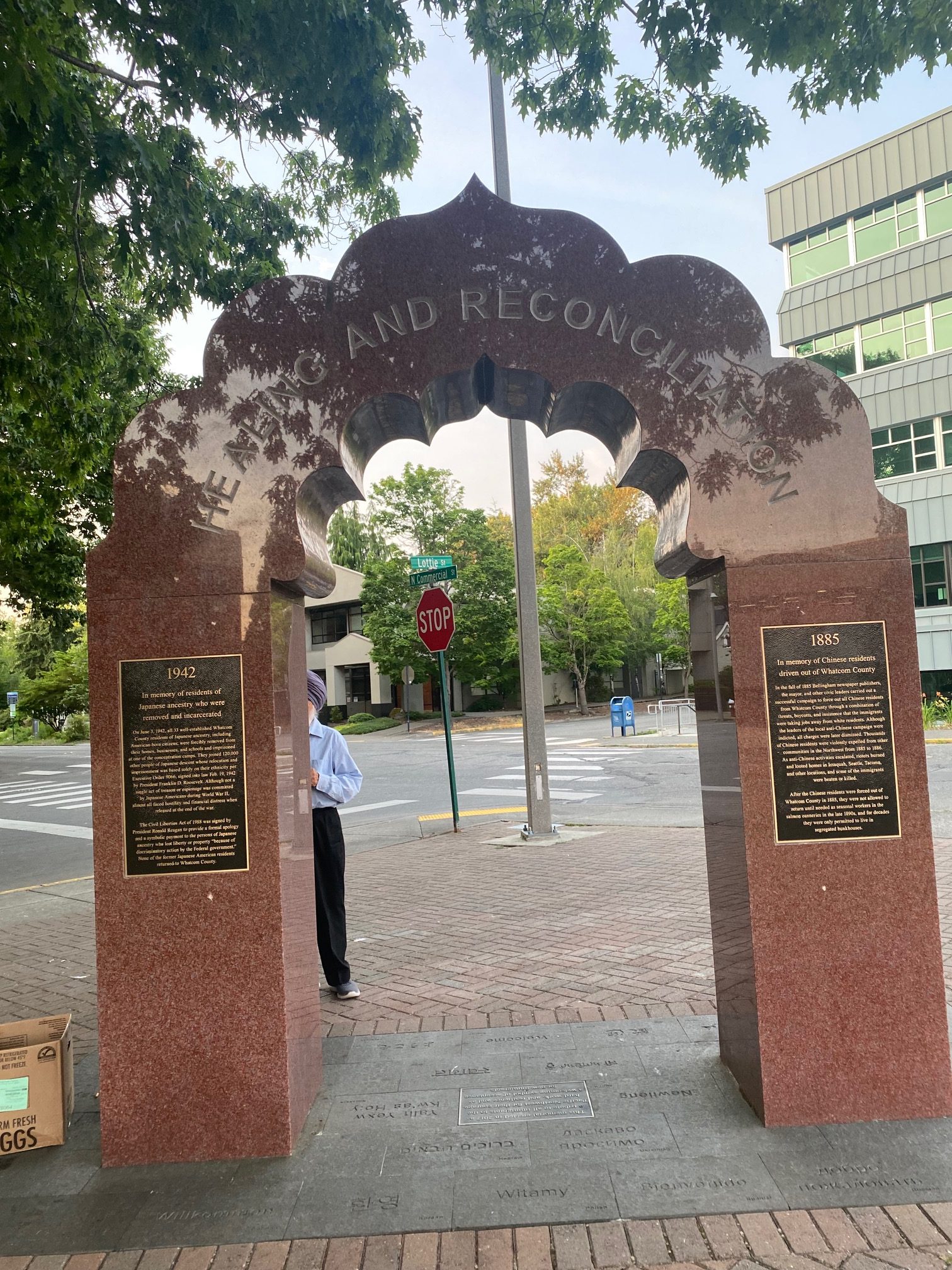
In Bellingham, this arch commemorates injustices meted out to Chinese, Hindu, Sikh, Muslim, and Japanese community members in the past.
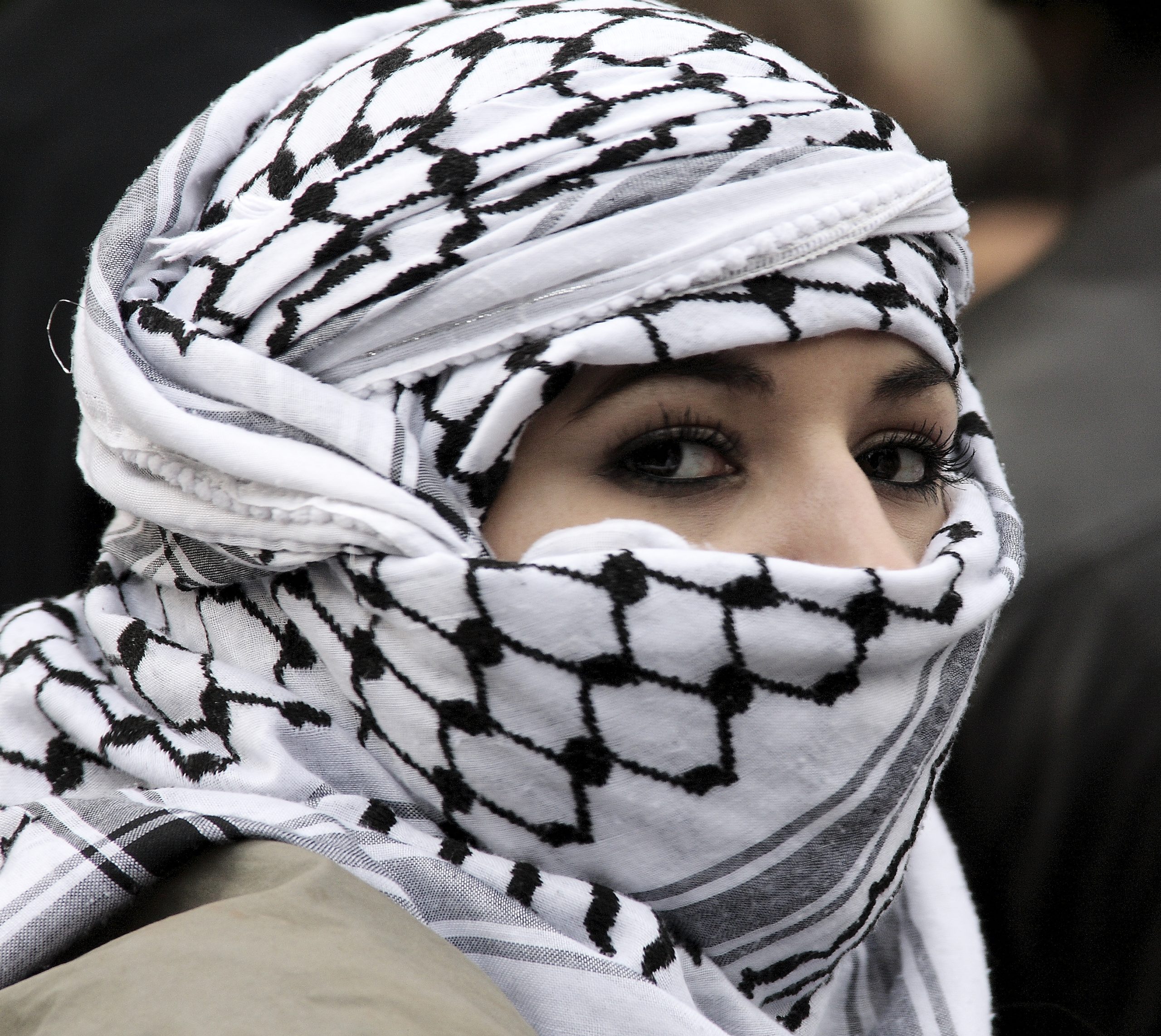
The keffiyeh, a symbol of Palestinian culture and heritage, was banned in the Legislative Assembly of Ontario in March by the Speaker.

Attorney General Niki Sharma acknowledges that some people are reluctant to report hate crimes to the police.

In 2022, Popat received a B.C. Multiculturalism and Anti-Racism Award for his efforts to reduce hate in the community.

Grant argues the end of the queen’s rule should mark “a global reckoning with the race-based order that undergirds empire and colonialism”.

舞台剧艺术家兼教育工作者Kunji Ikeda经常从日裔加拿大人身上听到两种说法。部份人向他表示,由于他们不谙日语,所以觉得自己「不够日本人」,于是不愿接触日裔社区。另外亦有人向Kunji表示,觉得自己算不上是加拿大人,因此并不属于日裔加拿大人社区。

