
Vancouver theatre artists and social-service providers address bicultural identity and belonging
Ruby Slippers Theatre presented the forum on bicultural identity and belonging before this year’s Advance Theatre Festival.

Ruby Slippers Theatre presented the forum on bicultural identity and belonging before this year’s Advance Theatre Festival.
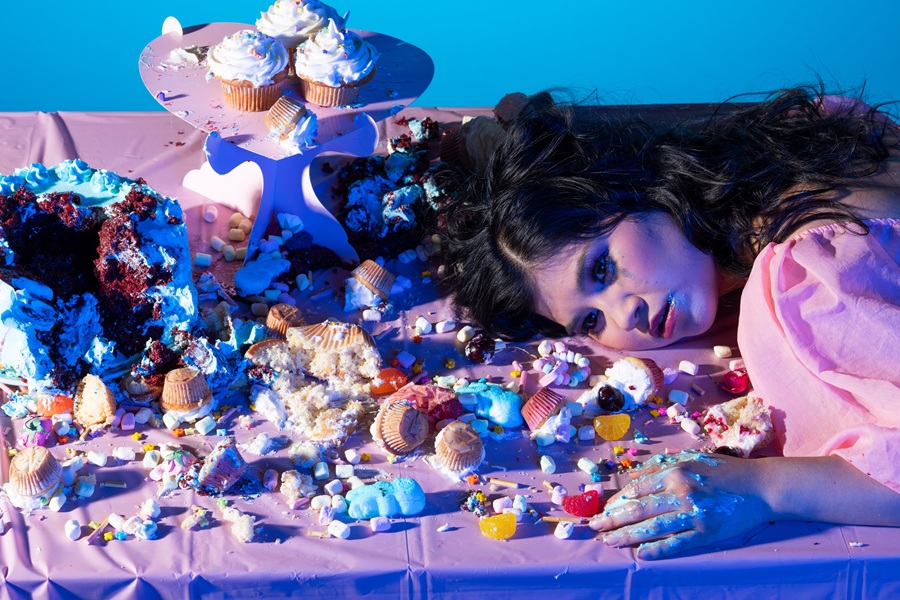
According to Mevamanana, her character Grace is very nice, very kind, and very smiley—with the internal life of a criminal mastermind.
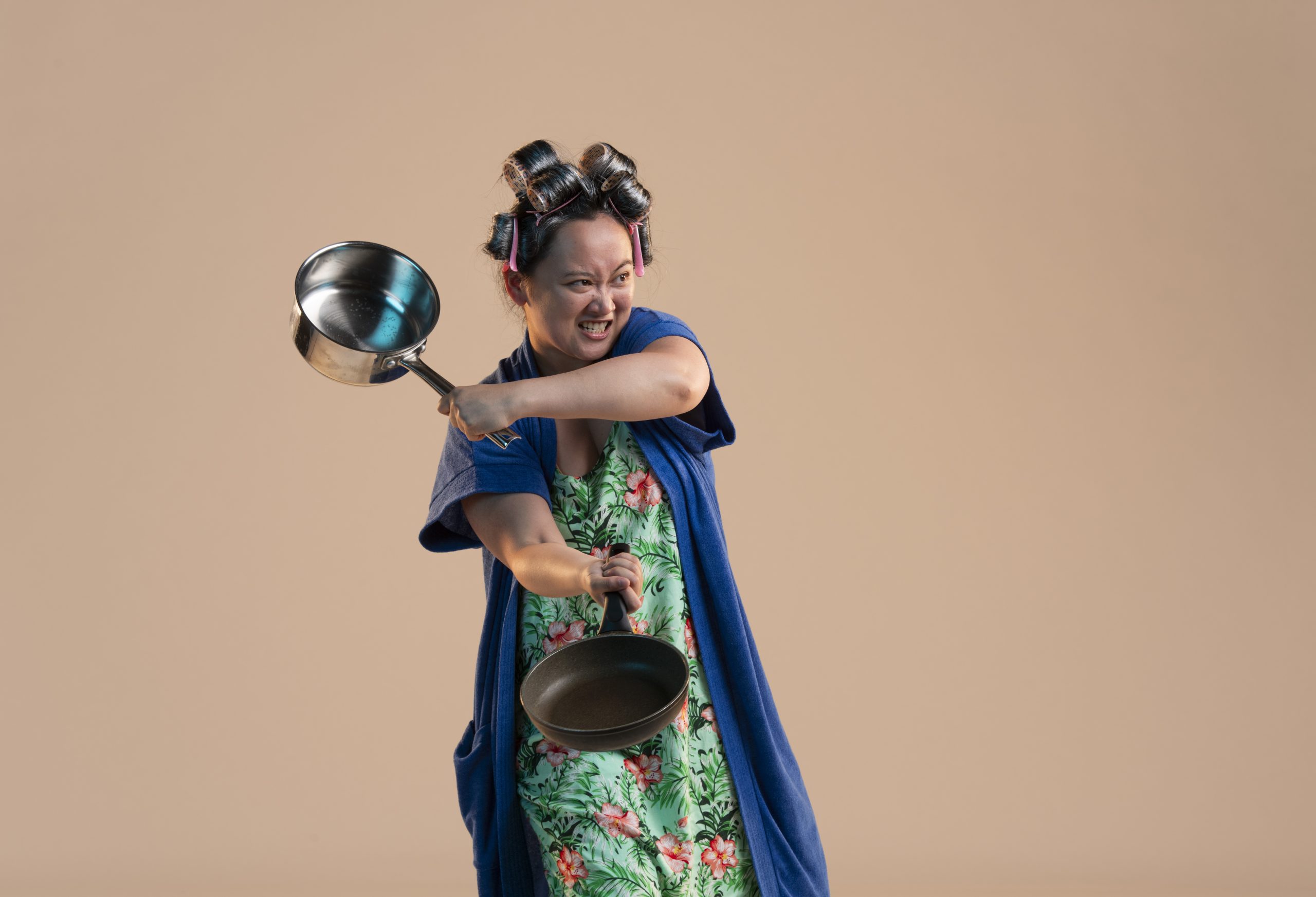
In a play that riffs on Pinoy cultural references, Padilla plays a butt-kicking Filipina granny who has experienced a lot in her life.
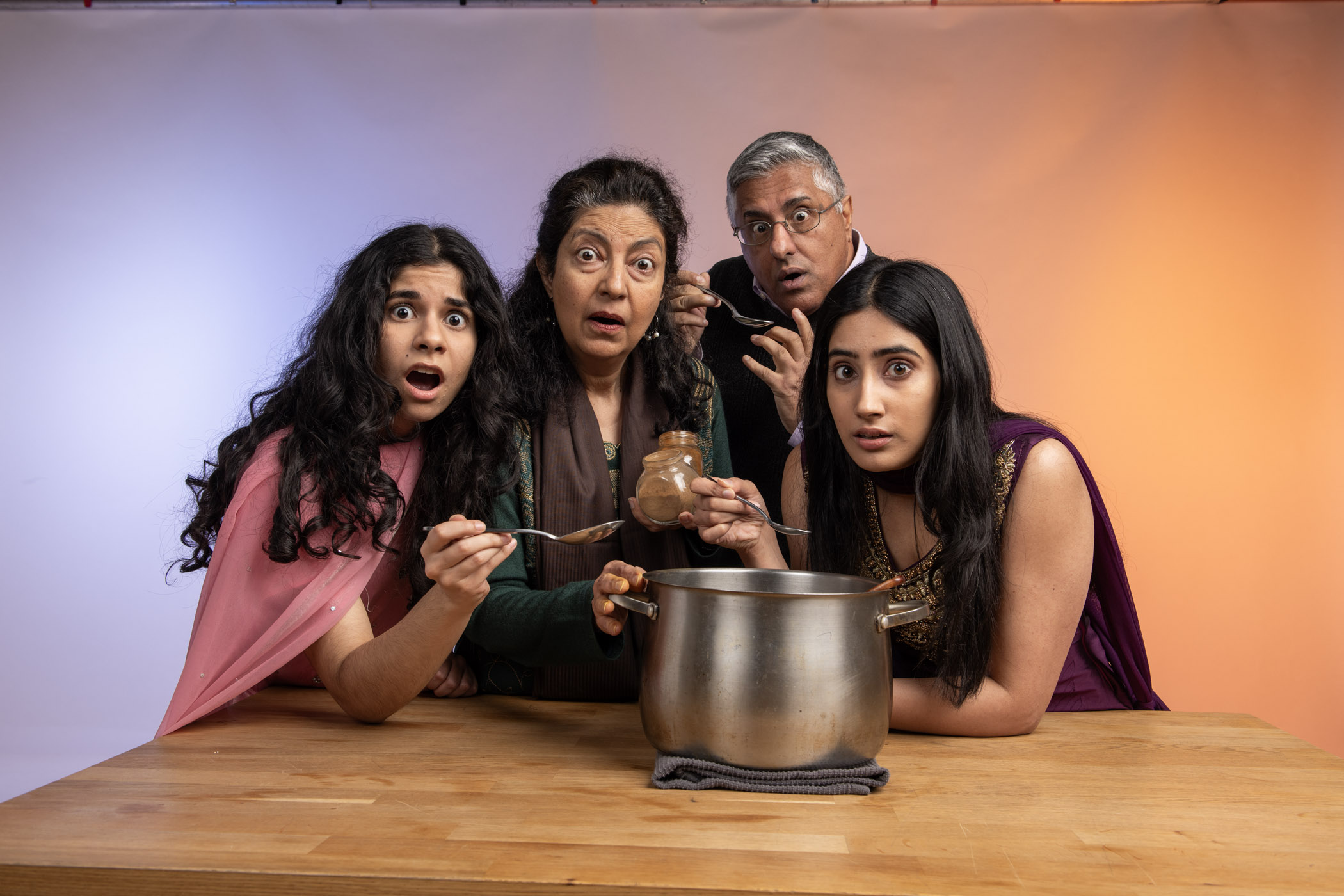
Lee Nisar 希望戏剧爱好者能在舞台上体验到酷儿穆斯林的喜悦之美。但当这位25岁的多伦多剧作家撰写《Dil Ka》的初稿时——这出戏将在北温哥华的 Presentation House Theatre 首演——它并没有种族成分。
Lee Nisar 希望戲劇愛好者能在舞台上體驗到酷兒穆斯林的喜悅之美。但當這位25歲的多倫多劇作家撰寫《Dil Ka》的初稿時——這齣戲將在北溫哥華的 Presentation House Theatre 首演——它並沒有種族成分。
Dil Ka, which means “of the heart”, will have its world premiere at Presentation House Theatre in North Vancouver.

Yaghoubi has written Evina’s Barrier as the second installment of a trilogy about women who seek the help of therapists to overcome obstacles.

当温哥华资深演员兼导演 Raugi Yu 在蒙特娄长大时,那里有很多青蛙。透过 Zoom,他告诉Pancouver 当时到处都看得到这些两栖动物。「然后,10年后在同一地区,全都不见了,」Yu 说。
當溫哥華資深演員兼導演 Raugi Yu 在蒙特婁長大時,那裡有很多青蛙。透過 Zoom,他告訴Pancouver 當時到處都看得到這些兩棲動物。「然後,10年後在同一地區,全都不見了,」Yu 說。
Yu plays a giant frog in Hurricane Mona, a comedic play about how a dysfunctional family is reacting to the climate crisis.

