
Scholar Kaim Ang transcends Sinocentric worldview of Taiwanese history by shifting from cross-strait narrative to a global perspective
Ang maintains that this approach enables people to go beyond seeing China and Taiwan as an inseparable unit.

Ang maintains that this approach enables people to go beyond seeing China and Taiwan as an inseparable unit.
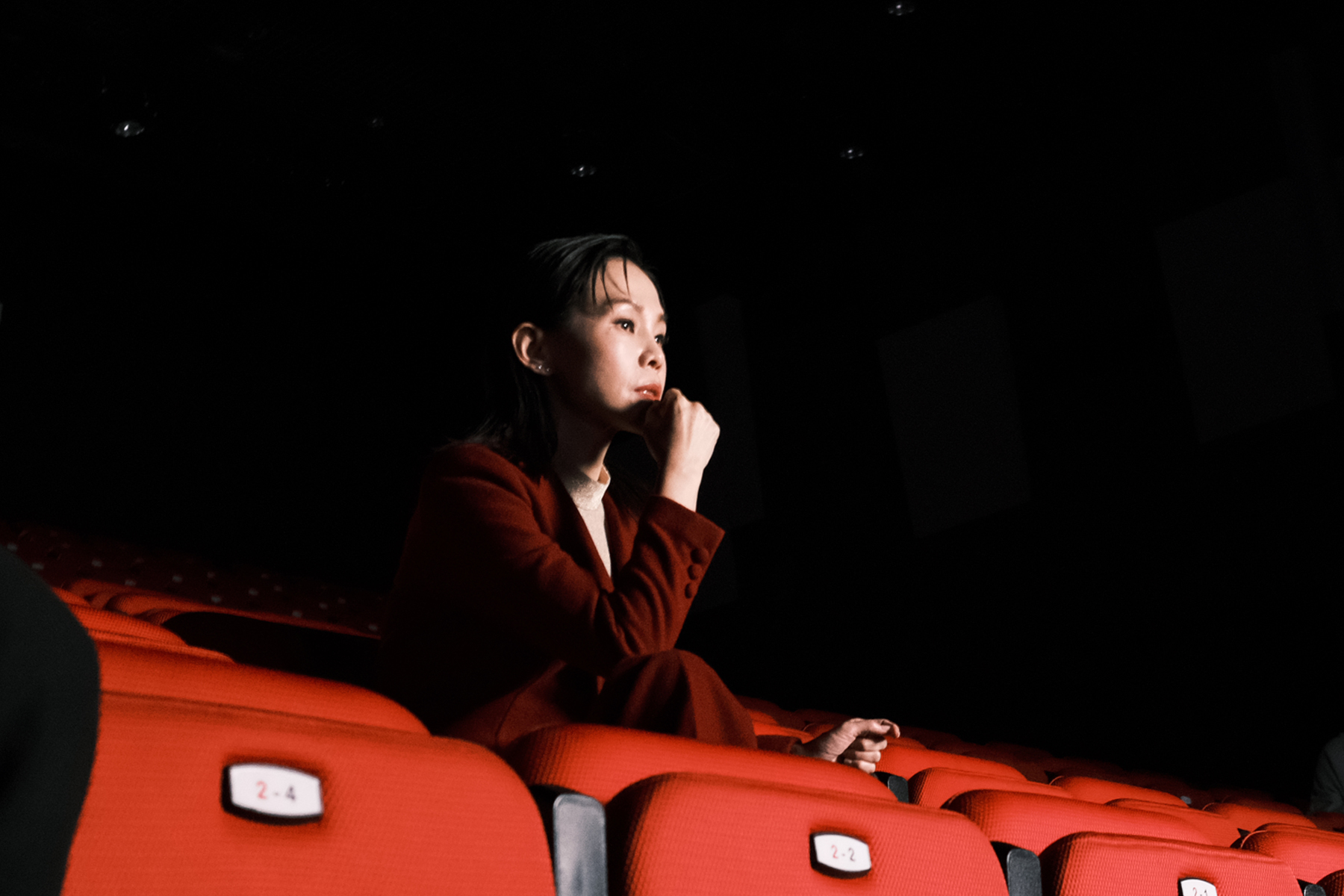
Master or Guest opens with a soliloquy by Taiwanese Hakka singer Julia Peng.
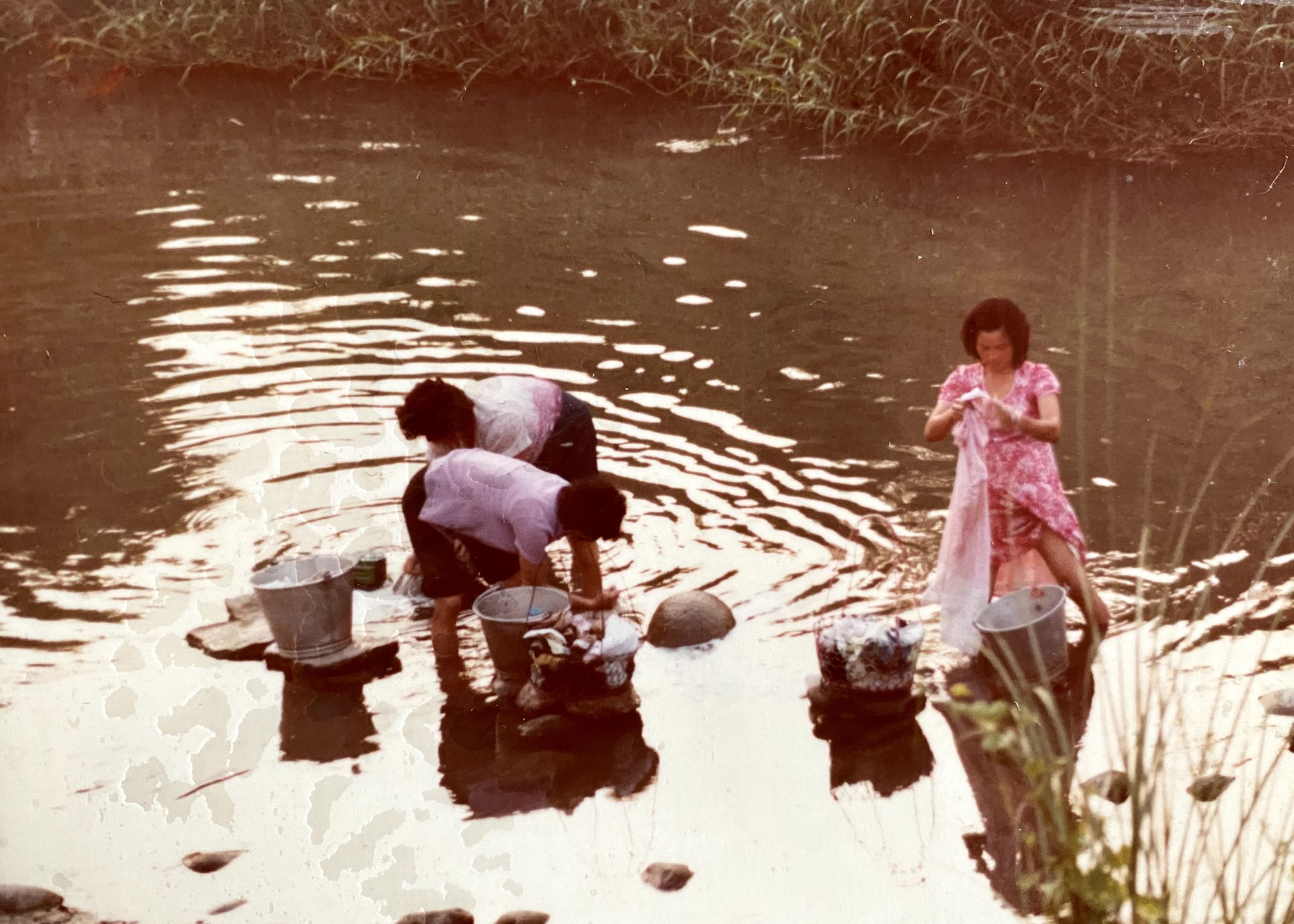
在传统论述中的客家社会,家家户户中的女性是劳动工具的代名词:勤劳朴实、刻苦耐劳、勤俭持家或是大英百科全书中强调客家妇女是精力充沛的劳动者。国外历史学者说客家女性勤劳得像是母牛,或者说像是牛奶上面的起士:「客家妇女对她们的丈夫是非常尊敬及顺从的。」

In the traditional discourse of Hakka society, women were viewed as hardworking, thrifty, tenacious, and diligent.
在傳統論述中的客家社會,家家戶戶中的女性是勞動工具的代名詞:勤勞樸實、刻苦耐勞、勤儉持家或是大英百科全書中強調客家婦女是精力充沛的勞動者。國外歷史學者說客家女性勤勞得像是母牛,或者說像是牛奶上面的起士:「客家婦女對她們的丈夫是非常尊敬及順從的。」

在多倫多和溫哥華的台灣文化節放映的一部紀錄片中,呈現了一位歷史學家談到在台北士林區的兩位傑出前輩。根據吳叡人的說法,這兩位老人—史明和曹永和,在20世紀走上了截然不同的道路。
在多伦多和温哥华的台湾文化节放映的一部纪录片中,呈现了一位历史学家谈到在台北士林区的两位杰出前辈。根据吴睿人的说法,这两位老人—史明和曹永和,在20世纪走上了截然不同的道路。
TAIWANfest is exploring historic ties between the East Asian nation and the Netherlands, which Tsao researched for decades.

Chung, deputy director of the Institute of Taiwan History at Academia Sinica, wrote Taiwanese in Nanyang During the Japanese Colonial Period.
就像许多历史学家一样,钟淑敏博士充满好奇心。她尤其关心的是台湾人民如何应对 1895 年至 1945 年间日本对这个东亚岛屿的殖民统治。「有一个问题在我的研究中反覆出现:『台湾人在日本殖民统治下采取了什么样的抵抗?』钟博士在视频中以中文告诉Pancouver。 「在日本的官方历史叙述中,你实际上看不到台湾人的影子。」

