
藝術家 Tajliya Jamal 在新的農曆新年燈籠設計中表達對「生而自由」的感受
溫哥華插畫家兼版畫家 Tajliya Jamal 對今年城光藝境 (The Lantern City) 展覽的主題非常感興趣。主辦單位選擇了「生而自由 (Born to Be Free)」這個標語。而去年,他們聯繫了 Jamal,希望能為即將在固蘭湖島 (Granville Island) 上展示的一個大型農曆新年燈籠設計。

溫哥華插畫家兼版畫家 Tajliya Jamal 對今年城光藝境 (The Lantern City) 展覽的主題非常感興趣。主辦單位選擇了「生而自由 (Born to Be Free)」這個標語。而去年,他們聯繫了 Jamal,希望能為即將在固蘭湖島 (Granville Island) 上展示的一個大型農曆新年燈籠設計。


Luu has fond childhood memories of celebrating the arrival of the Lunar New Year in Vietnam, where it’s called Tết.

温哥华艺术家 Anita Ho 拥有丰富的想像力。因此,当她为名为《崛起 (Rising) 》的作品设计一条龙时,她让自己的创造力无限发挥。这引起了城光艺境 (The Lantern City) 展览主办单位的注意,该展览每年于温哥华举行,以庆祝农历新年。

溫哥華藝術家 Anita Ho 擁有豐富的想像力。因此,當她為名為《崛起 (Rising) 》的作品設計一條龍時,她讓自己的創造力無限發揮。這引起了城光藝境 (The Lantern City) 展覽主辦單位的注意,該展覽每年於溫哥華舉行,以慶祝農曆新年。

Anita reflected on how the exhibition’s theme, “Born to Be Free”, manifested itself in her own life as a professional artist in Vancouver.
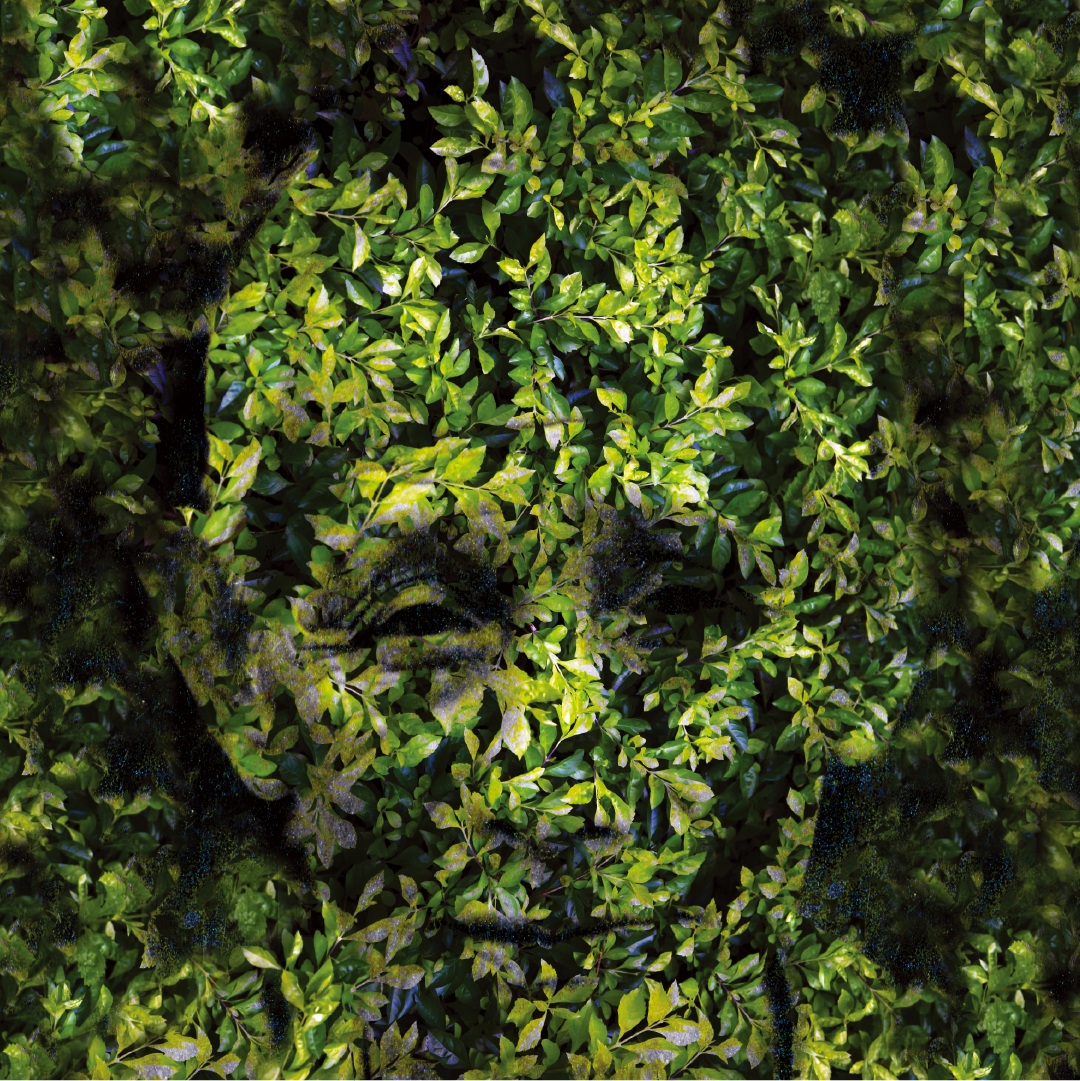
Taiwanese Seediq artist Walis Labai’s depiction of “tree-born” people is part of the Coastal Lunar Lanterns display at Jack Poole Plaza.


The Society of We Are Canadians Too created Pancouver to foster greater appreciation for underrepresented artistic communities. A rising tide of understanding lifts all of us.
This project is funded in part by the Government of Canada.
We would like to acknowledge that we are gathered on the traditional and unceded territories of the Coast Salish peoples of the xʷməθkwəy̓əm (Musqueam Indian Band), Skwxwú7mesh (Squamish Nation), and Səl̓ílwətaɬ (Tsleil-Waututh Nation). With this acknowledgement, we thank the Indigenous peoples who still live on and care for this land.
This project is funded in part by the Government of Canada.
The Society of We Are Canadians Too created Pancouver to foster greater appreciation for underrepresented artistic communities. A rising tide of understanding lifts all of us.
We would like to acknowledge that we are gathered on the traditional and unceded territories of the Coast Salish peoples of the xʷməθkwəy̓əm (Musqueam), Skwxwú7mesh (Squamish), and Səl̓ílwətaɬ (Tsleil-Waututh) Nations. With this acknowledgement, we thank the Indigenous peoples who still live on and care for this land.
Independent arts journalism needs readers like you!
If you value stories like this, please consider supporting Pancouver.