
VIFF 2025: “Tears Burn to Ash” depicts diaspora’s distance from ancestral homeland
Veena Yamano plays a fourth-generation Japanese Canadian in her 20s who lands in Tokyo in “Tears Burn to Ash”.

Veena Yamano plays a fourth-generation Japanese Canadian in her 20s who lands in Tokyo in “Tears Burn to Ash”.

Reyes (seen as a boy) was separated from his mother Elvira for several years as a result of a Canadian immigration policy.

当 Thea Loo 着手制作并执导一部关于加拿大住家看护计画的纪录片时,她心中有两个主要动机。首先,是出于个人原因——希望帮助她的丈夫、摄影师 Jeremiah Reyes,走出忧郁症的阴霾。她想,如果两人能一同完成《Inay(妈妈)》,也许能改善 Reyes 与他曾经担任住家看护的母亲之间的关系。

當 Thea Loo 著手製作並執導一部關於加拿大住家看護計畫的紀錄片時,她心中有兩個主要動機。首先,是出於個人原因——希望幫助她的丈夫、攝影師 Jeremiah Reyes,走出憂鬱症的陰霾。她想,如果兩人能一同完成《Inay(媽媽)》,也許能改善 Reyes 與他曾經擔任住家看護的母親之間的關係。
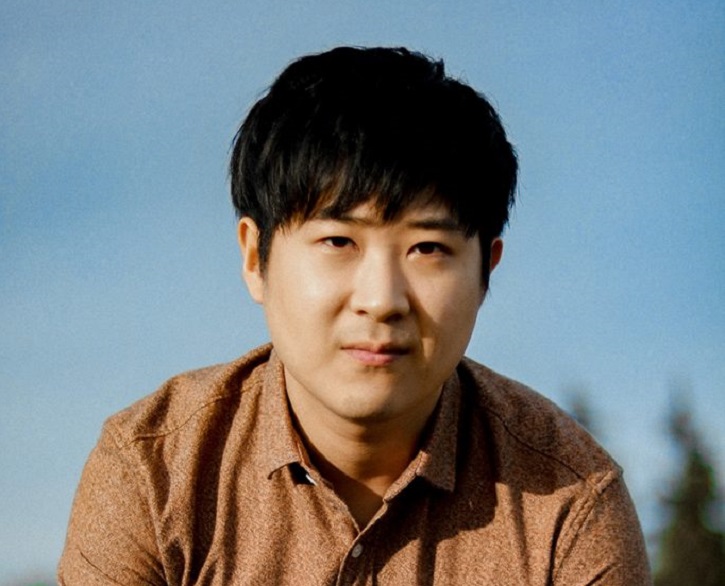
Yoo and Loo impressed jury members by addressing Asian diasporic issues in Canada with sensitivity and care.

Inay (Mama) director Thea Loo explores the fallout from the Live-in Caregiver program on her husband and a close friend.


The Society of We Are Canadians Too created Pancouver to foster greater appreciation for underrepresented artistic communities. A rising tide of understanding lifts all of us.
This project is funded in part by the Government of Canada.
We would like to acknowledge that we are gathered on the traditional and unceded territories of the Coast Salish peoples of the xʷməθkwəy̓əm (Musqueam Indian Band), Skwxwú7mesh (Squamish Nation), and Səl̓ílwətaɬ (Tsleil-Waututh Nation). With this acknowledgement, we thank the Indigenous peoples who still live on and care for this land.
This project is funded in part by the Government of Canada.
The Society of We Are Canadians Too created Pancouver to foster greater appreciation for underrepresented artistic communities. A rising tide of understanding lifts all of us.
We would like to acknowledge that we are gathered on the traditional and unceded territories of the Coast Salish peoples of the xʷməθkwəy̓əm (Musqueam), Skwxwú7mesh (Squamish), and Səl̓ílwətaɬ (Tsleil-Waututh) Nations. With this acknowledgement, we thank the Indigenous peoples who still live on and care for this land.
Independent arts journalism needs readers like you!
If you value stories like this, please consider supporting Pancouver.