
Ghinwa Yassine turns rubble from grandfather’s home in Lebanon into art at Centre A and short film at VIFF
Yassine, a co-founder of the MENA Film Festival, has two big events on her calendar this week.

Yassine, a co-founder of the MENA Film Festival, has two big events on her calendar this week.
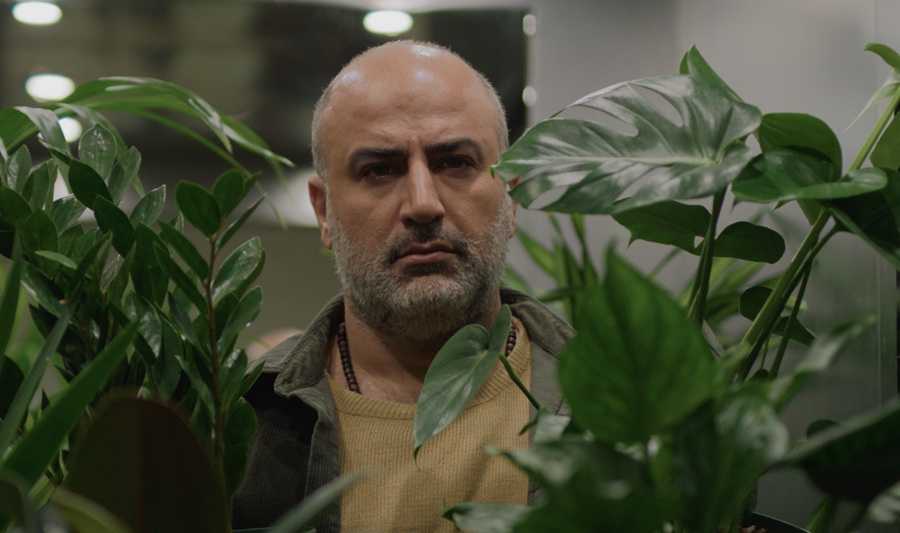
Asgari places an individual in conflict with forces far larger than himself in his new film.

The opening scene of First Comes Love: Nakabingwit, with a signature rom-com flavour, immediately hooked the audience.
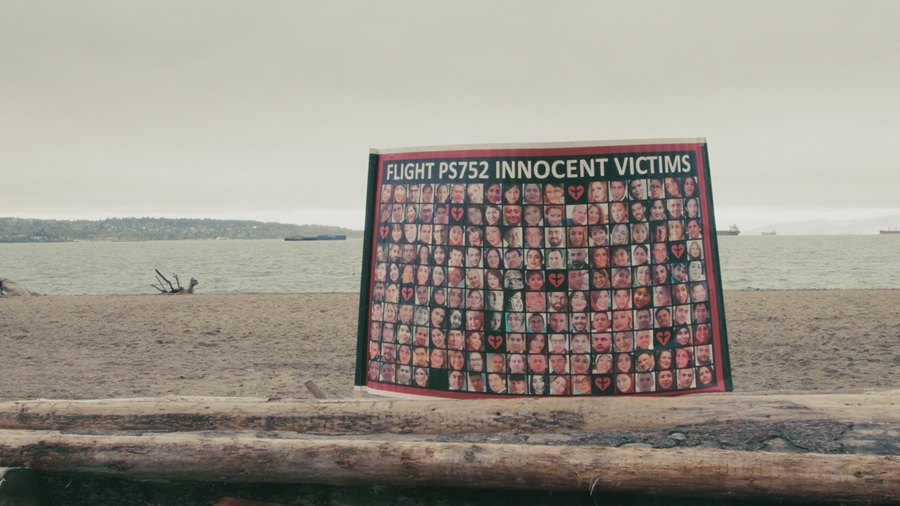
Mardookhi, a Kurdish Canadian director, didn’t only want to focus on loss—he aimed to show what families did in response to this.
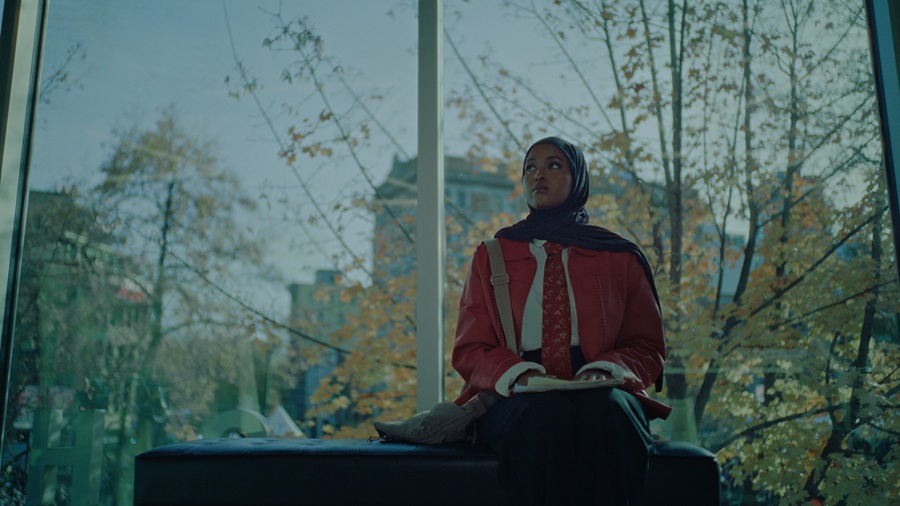
Abdullahi, a former youth worker of Somali ancestry, created Ibtisam as a hijab-wearing Muslim who is fun-loving and style-conscious.
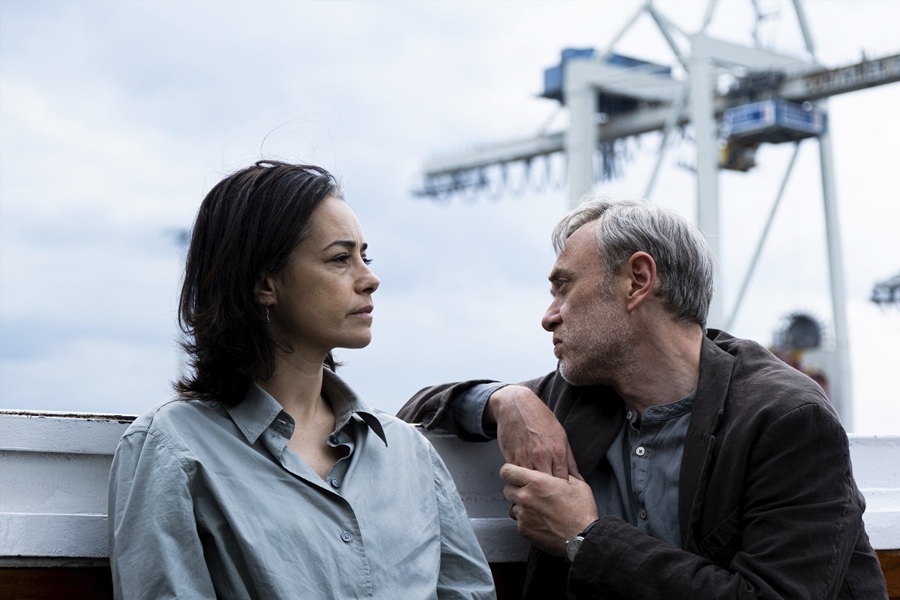
Authoritarianism takes shape through gradual erosion of artistic freedom, individual rights, and institutional independence.

By shifting from festival-centric development to the creative Institute model, VIFF aims to become a more valuable resource to filmmakers.
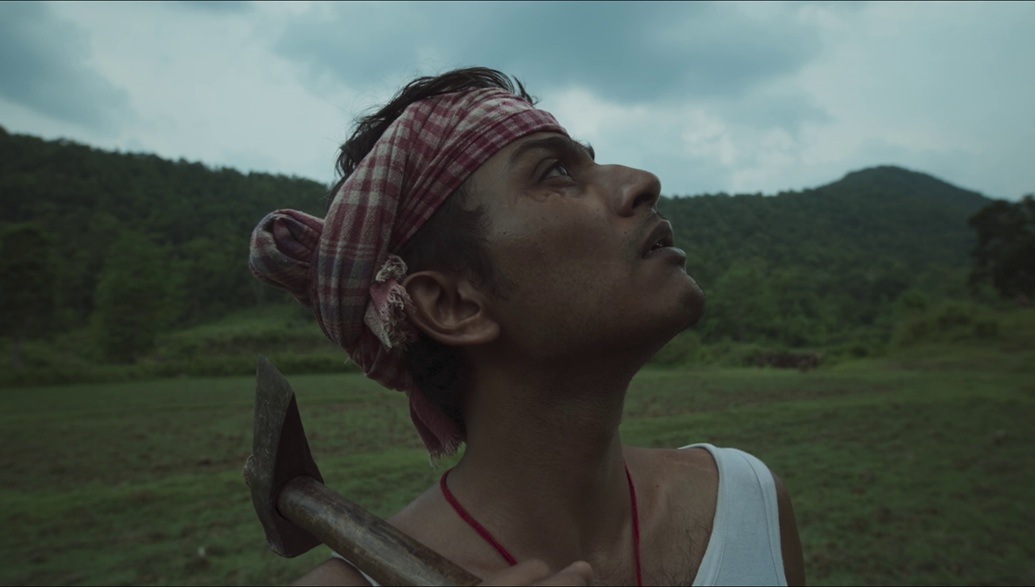
Tathagata Ghosh’s short film breaks new ground by addressing the widespread view that tribal people are pawns of Maoist insurgents.

In addition to being named the top Canadian documentary, The Track received a special mention for outstanding BC film.

Japanese director Keiko Tsuruoka has returned to the Vancouver International Film Festival with another quietly pensive film.

