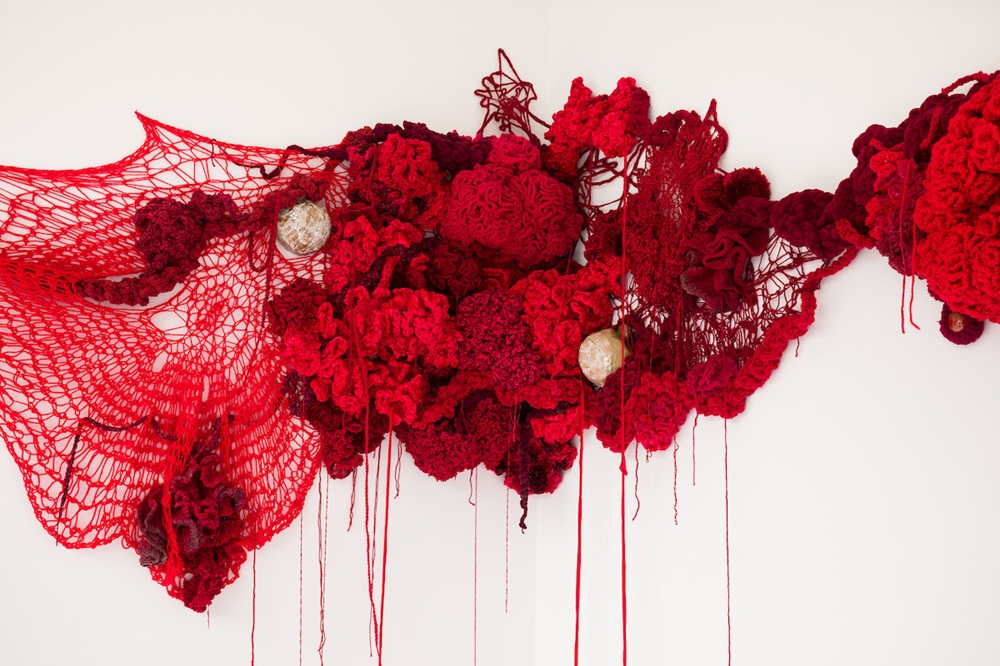
The Chromophiliacs exhibition at Richmond Art Gallery reflects diversity of artistic practices in the region
Curated by Zoë Chan, The Chromophiliacs brings together 10 artists whose use of colour is central to their practice.

Curated by Zoë Chan, The Chromophiliacs brings together 10 artists whose use of colour is central to their practice.
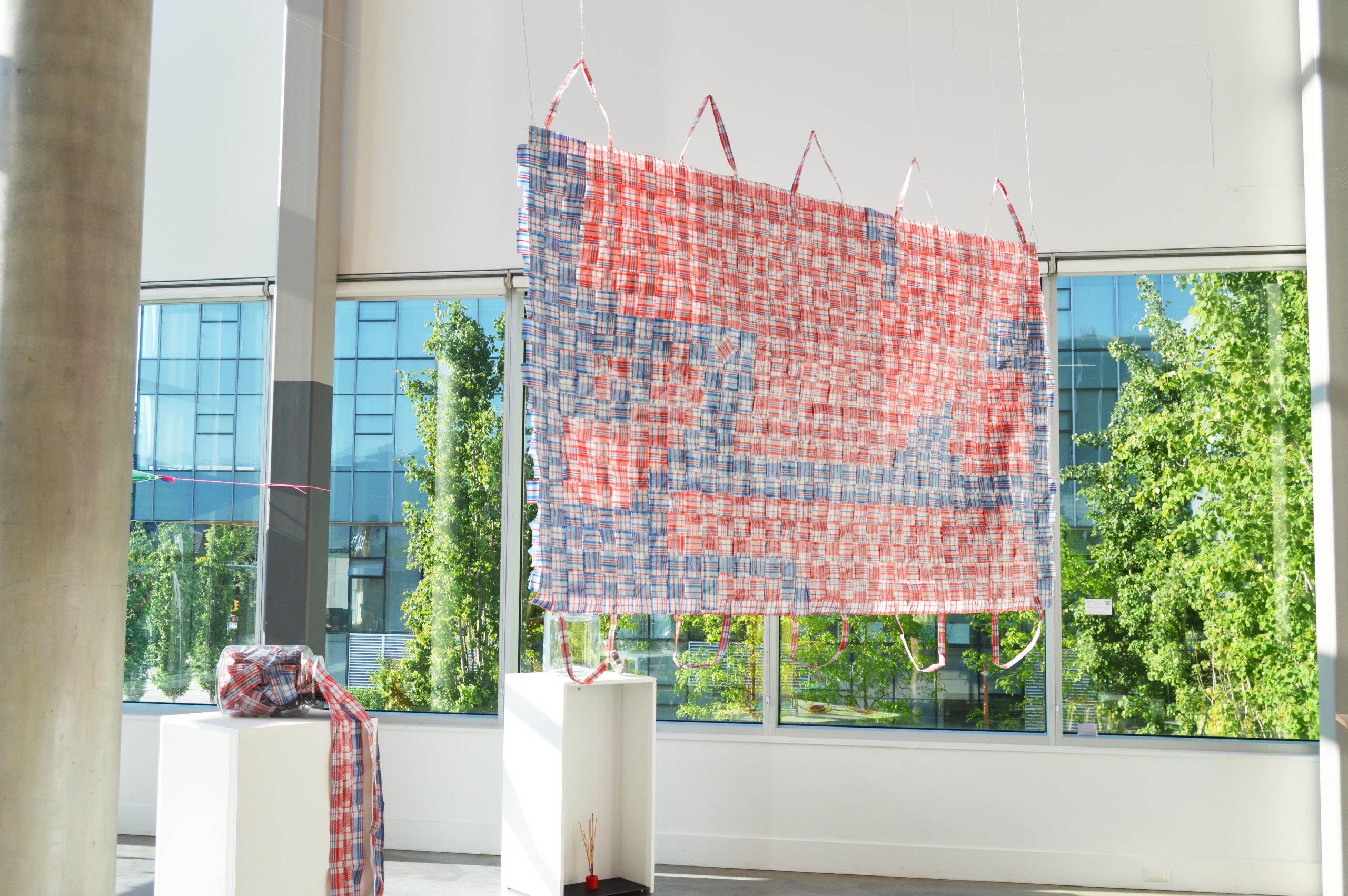
列治文美术馆 (Richmond Art Gallery) 即将推出两个全新以环境为主题的展览。其中,《Dear Plastic(亲爱的塑胶)》由 Zoë Chan 策划,这是一场群展,展出 Ari Bayuaji、Emily Hermant、Caroline Monnet、Alex Tedlie-Stursberg 及 Cheryl Wong 的作品。Chan 是列治文美术馆的策展人。
列治文美術館 (Richmond Art Gallery) 即將推出兩個全新以環境為主題的展覽。其中,《Dear Plastic(親愛的塑膠)》由 Zoë Chan 策劃,這是一場群展,展出 Ari Bayuaji、Emily Hermant、Caroline Monnet、Alex Tedlie-Stursberg 及 Cheryl Wong 的作品。Chan 是列治文美術館的策展人。
According to curator Zoë Chan, the title comes from an ’80s song called “Dear Plastic” by Björk’s old band, The Sugarcubes.
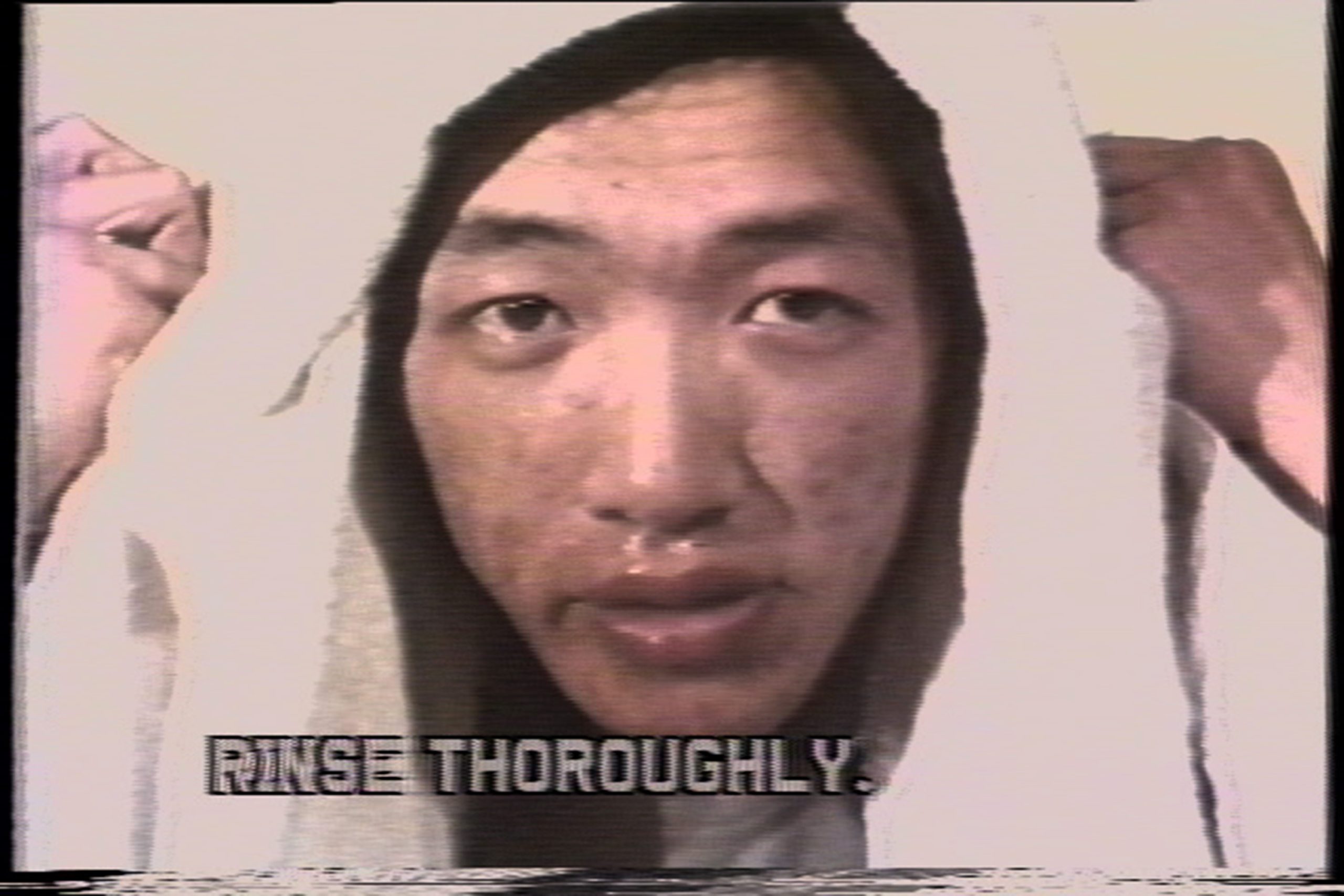
在70年代,当实验性跨领域艺术家兼策展人Paul Wong想要表达自己时,他经常将镜头对准自己。 例如,他的作品《60 Unit; Bruise》(60 单位;瘀伤)(1976)。Wong的朋友兼合作者Kenneth Fletcher在影片中从他的手臂中抽出了 60 单位的血液,并将其重新注入他的肩膀。
The Richmond Art Gallery presents Unit Bruises: Theodore Wan & Paul Wong 1975 – 1979 and The Marble in the Basement until June 30.
在70年代,當實驗性跨領域藝術家兼策展人Paul Wong想要表達自己時,他經常將鏡頭對準自己。 例如,他的作品《60 Unit; Bruise》(60 單位;瘀傷)(1976)。Wong的朋友兼合作者Kenneth Fletcher在影片中從他的手臂中抽出了 60 單位的血液,並將其重新註入他的肩膀。

