How does Taiwanese and Taiwanese diasporic culture play into historical and crime fiction, a biography, and a family memoir? That’s the premise for a free panel discussion at Vancouver TAIWANfest featuring three critically acclaimed writers of Taiwanese ancestry.
Stories in Conversation will take place from 12:30 to 2 p.m. on Monday (September 7) in the Annex (823 Seymour Street).
Biographer and short story writer Julia Lin, memoirist Wiley Wei-Chiun Ho, and crime novelist Ed Lin all write in English. In this English-language panel discussion, they will speak about how and why Taiwan looms large in their writing.
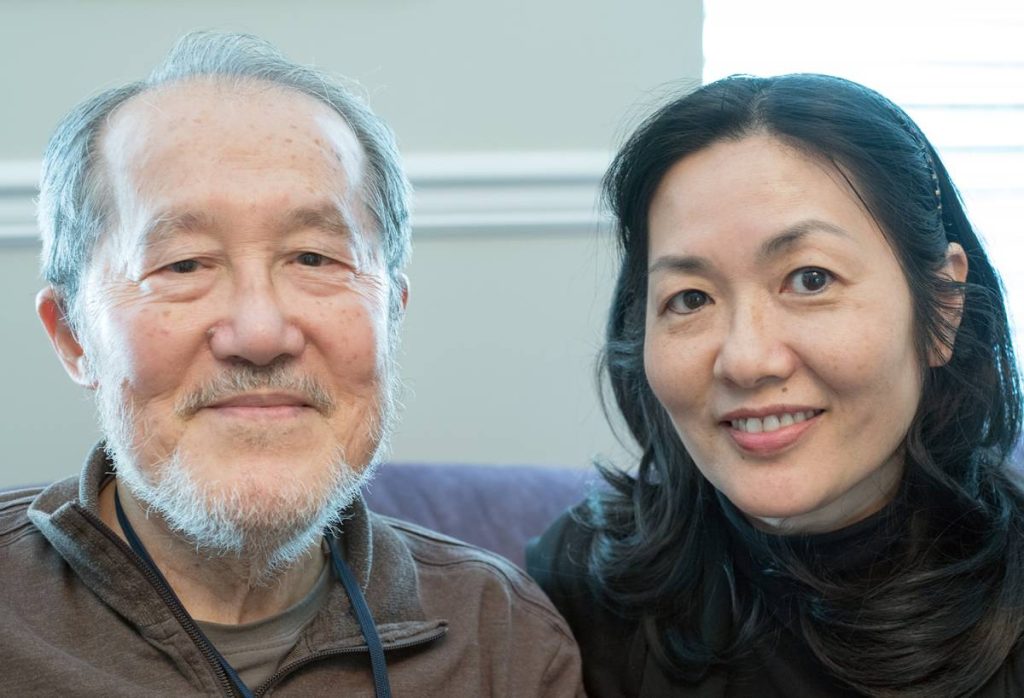
Julia Lin, for example, has written a biography of Taiwanese-born Richmond resident Dr. Charles Yang. Dr. Yang was born in 1932 during the Japanese occupation of Taiwan, forced to learn Japanese in school, and lived through the Japanese occupation of Manchuria. Then after Chiang Kai-shek’s Nationalist Army lost the Chinese Civil War and imposed their authority on Taiwan, Dr. Yang had to learn Mandarin. He lived through Chiang’s White Terror in Taiwan before settling in North America.
In Shadows of the Crimson Sun: One Man’s Life in Manchuria, Taiwan, and North America, Julia Lin explores how Dr. Yang’s identity evolved through the decades as he came to terms how outside forces imposed their will—and their languages—on his homeland.
In the first short story in her debut collection, Miah, Julia Lin also highlights how the White Terror left a searing impact on one Taiwanese family. Julia Lin was born in Taiwan, lived in Vietnam, and immigrated to Canada at the age of nine. The Vancouver writer’s new collection, The Princeling and Other Stories, will be published in 2027 by Guernica Editions.
Taiwan’s diplomatic status influenced family to immigrate
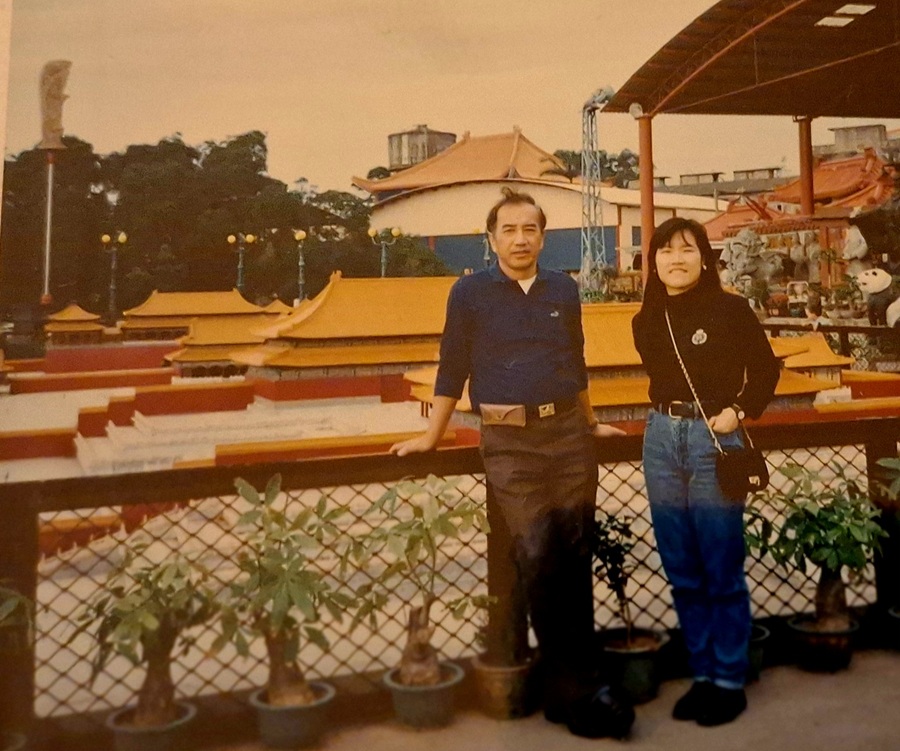
Like Julia Lin, Ho also immigrated to Canada at the age of nine. Her compelling and heartfelt memoir, The Astronaut Children of Dunbar Street, shares what it was like living in Vancouver with her older siblings after her parents returned to Taiwan to operate their private surgery clinic.
Like Lin, Ho has also addressed modern Taiwanese history in her book, noting how Taiwan’s deteriorating diplomatic status in the 1970s led her family to emigrate. They first landed in Costa Rica before moving to Vancouver, where they settled in Kitsilano.
After Ho’s parents bought a house on Dunbar Street, they chose to return to Taiwan as a result of her father’s medical credentials not being recognized in Canada. Her parents felt that they could give their children a better future if they could generate income operating their surgery clinic back in Taiwan.
Ho’s book also sheds light on the lives of other astronaut children, making it a useful resources for educators.

Ed Lin wins three Asian American Literary Awards
The third writer on the panel, Ed Lin, was born in New York and raised in New Jersey by his Taiwanese-born immigrant parents. A financial journalist for more than 30 years, Ed Lin has written five mystery novels in his Taipei Night Market series.
The most recent, The Dead Can’t Make a Living, revolves around his lead character, food-stall operator Jing-nan, trying to solve the murder of a Filipino migrant worker who was employed in a large processing plant. Like his other Night Market novels, The Dead Can’t Make a Living sheds light on compelling issues in Taiwanese society, this time immigrant labour and Indigenous life.
Ed Lin is the first writer to win three Asian American Literary Awards. He also wrote three Manhattan Chinatown mysteries set in the 1970s, centred on a detective named Robert Chow.
Vancouver TAIWANfest will present Stories in Conversation, moderated by Pancouver editor Charlie Smith, at the Annex (823 Seymour Street) at 12:30 p.m. on Monday (September 7). For more information, visit the festival website. All events at Vancouver TAIWANfest are free.