Taiwan and Spain share a connection that goes back 400 years. In 1626 Spaniards established a colony on Heping Island called Fort San Salvador. This base near the northern tip of Taiwan, along with the nearby Todos Los Santos Church, reflected a vibrant Spanish presence in this part of Asia. However, they remained there for only 16 years. Dutch forces, who were occupying southern Taiwan, defeated the Spaniards and forced them out.
This year, Vancouver TAIWANfest reflects on that history. The festival also celebrates current links between Taiwan and Spain in a program entitled “Becoming Me”. It runs from August 31 to September 2 at several downtown Vancouver locations.
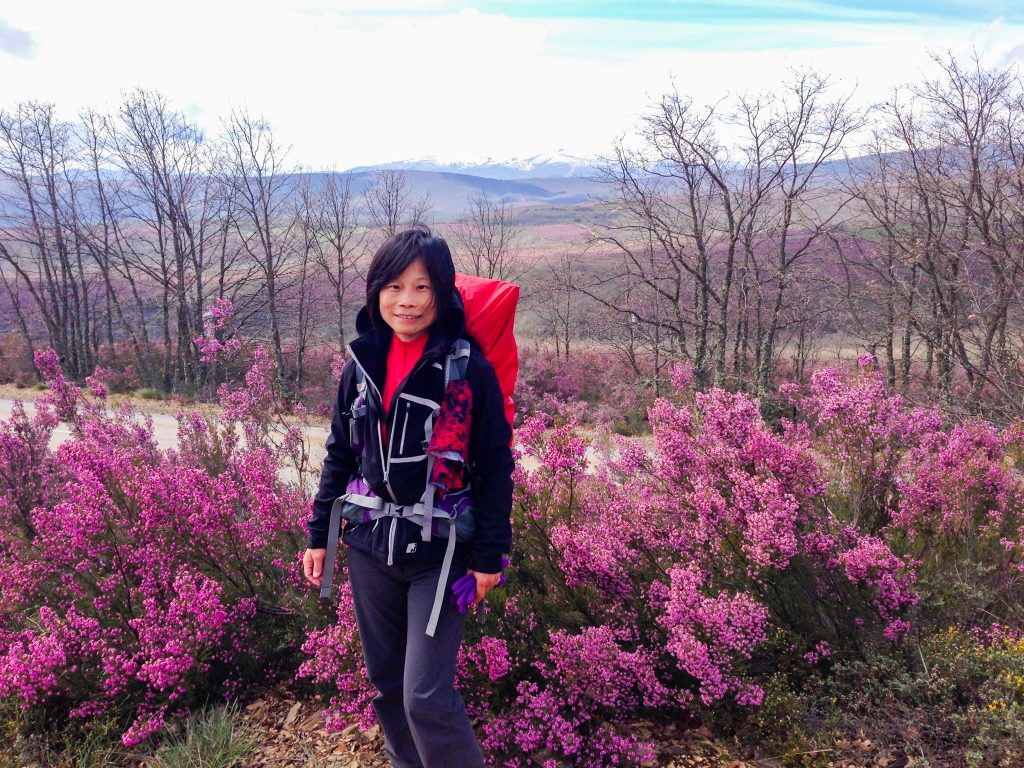
Taiwanese writer and photographer Siraya Lo has visited Spain on several occasions. Lo, the former secretary-general of the Taiwan Tourism Association, will share photographs and a written chronicle of her 2013 walk across northwestern Spain on a Camino de Santiago pilgrimage.
They’ll be part of a free exhibition called ¡Buen Camino! in the 700 block of Granville throughout Vancouver TAIWANfest.
“Through Lo’s photographs and chronicles, she takes us on this spiritual road together to understand how travelers from diverse cultures and countries view the past, present, and future, as well as the relationship between Spain and Taiwan, the world and ourselves,” the Vancouver TAIWANfest website states.
This world-famous hiking route leads to the shrine of Jesus Christ’s apostle James in the cathedral of Santiago de Compostela in Galicia.
“As someone who’s neither religiously affiliated nor enthusiastic about exercising, why did I embark on this pilgrimage?” Lo writes in her chronicle. “The reason is simple. It’s a spur of the moment thing.”
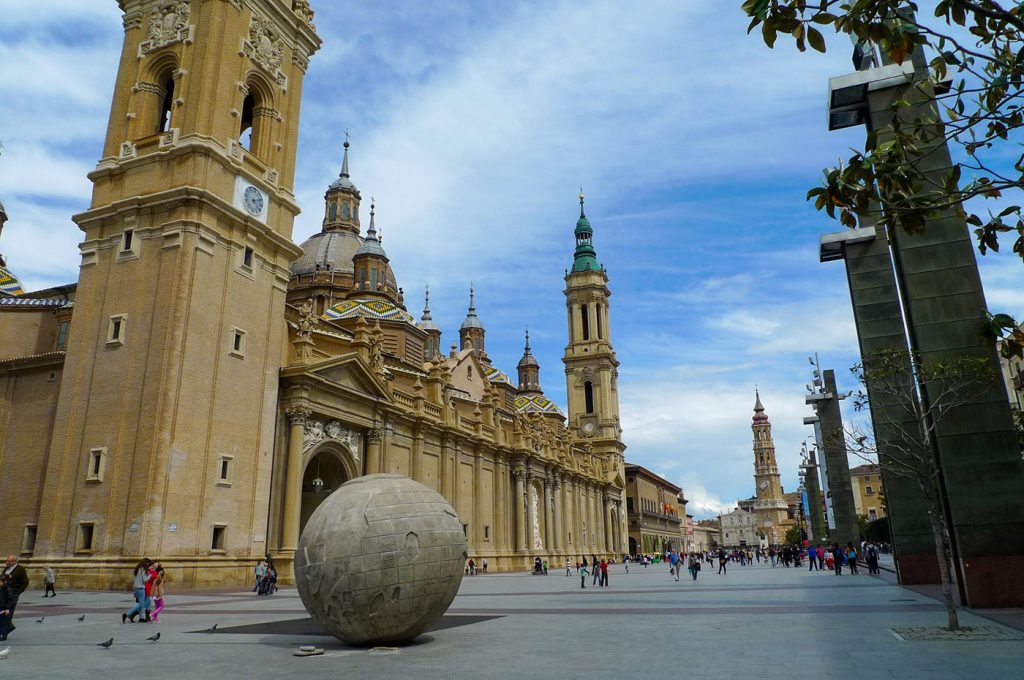
Spain has several Camino de Santiago routes
Camino de Santiago is a UNESCO World Heritage Site that attracts more than 200,000 pilgrims annually. It includes several routes.
Lo chose the most popular journey, known as the “French Way”.
“I decided to begin my pilgrimage in the city of Pamplona, home of Running of the Bulls, instead of the French town of St. Jean Pied de Port,” Lo writes. “This was mainly out of the consideration for my own physical stamina, as I didn’t have the confidence to scale Mt. Pyrenees right out of the gate.”
TAIWANfest Vancouver presents ¡Buen Camino! in the 700 block of Granville from August 31 to September 2. For more information on the festival, visit the website. Follow Pancouver on X @PancouverMedia and on Instagram @PancouverMedia.