There will be a variety of TV programming on the National Day for Truth and Reconciliation (September 30). One of the highlights will be The Good Canadian, an 88-minute documentary premiering at 8 p.m. (8:30 p.m. NT) on CBC and CBC Gem, and 9 p.m. on APTN.
Directed by Leena Minifie (Gitxaala/British) and settler David Paperny, this film exposes how historically racist policies laid a foundation for continued discriminatory practices against Indigenous people today. This is accomplished through interviews with people who’ve worked in systems that perpetuate socioeconomic equalities.
For example, The Good Canadian opens people’s eyes to the huge number of Indigenous kids still being apprehended by the state. The film also addresses Indigenous overrepresentation in the correctional system. As well, it focuses on challenges facing Indigenous students in the educational system.
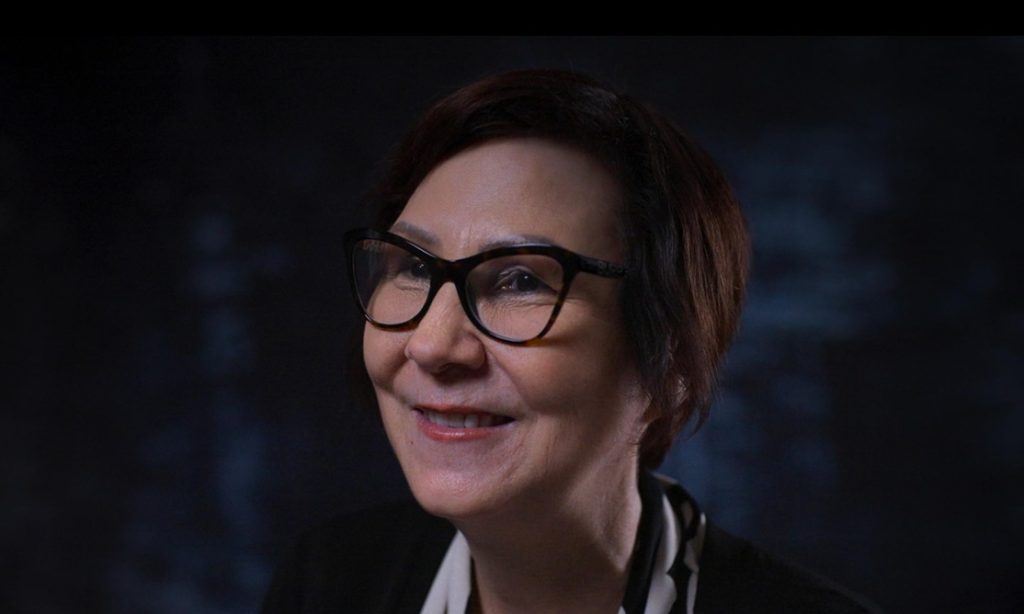
One of the speakers is Gitxsan activist for child welfare Cindy Blackstock. Currently executive director of First Nations Child & Family Caring Society, Blackstock played an instrumental role in a legal case that led the federal government to pay $23.34 billion to Indigenous people for discriminatory child-welfare practices. In addition, Ottawa will spend another $20 billion reforming on-reserve child welfare and family services to prevent future discrimination.
“The moments the headlines die, the children do, too,” Blackstock says in The Good Canadian trailer. “What Canadians need to do is not turn the page.”
Watch the trailer for The Good Canadian.
Minifie: The Good Canadian documents apartheid
The Canadian Media Producers Association has called the documentary “meticulously researched and artfully crafted”.
“The Good Canadian fills the gap of documenting apartheid in our own country the way that other countries have,” Minifie says in the news release. “We crafted a team that brought broad, differing perspectives and developed strong, trusting relationships with the participants who revealed the bitter truths of their own experiences.”
Paperny received an Oscar nomination in 1994 for The Broadcast Tapes of Dr. Peter. Since then, he has gone on to produce many TV series and TV movies.
In the news release, Paperny stated that Blackstock set him on a journey to make The Good Canadian. This came after she asked what he would tell his granddaughters when they inquire about what he did when newborn babies in Canada were being taken from their mothers.
Follow Pancouver on X @PancouverMedia and Bluesky @pancouver.bsky.social. Pancouver is also on Instagram @PancouverMedia.