Every few weeks, somewhere in the world a language dies, and with it vanish its voices, the stories, and the knowledge of that language. Language is deeply connected to identity and well-being. Protecting a language goes beyond preserving the grammar and the vocabulary. The loss impacts not only the community of that language, but all humanity, as we lose access to the way of life, unique perspectives, and narratives.
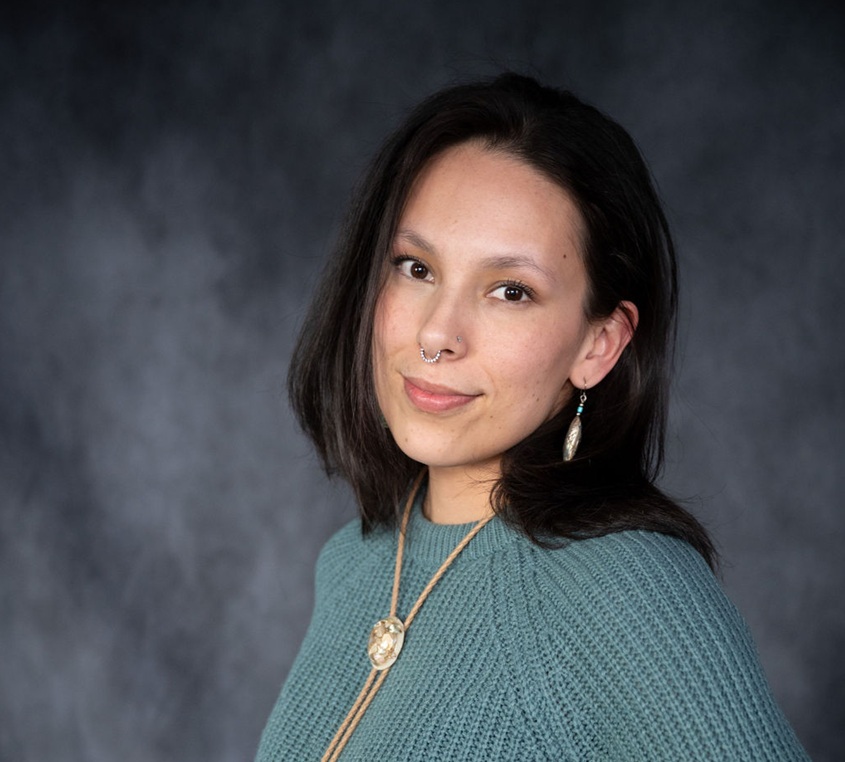
In Canada, Indigenous languages hold generations of knowledge about the land, ecology, and sustainable living. This is precisely why the documentary, A Cree Approach, is profoundly important. Director Tristin Greyeyes documents the enduring legacy of her grandmother, Freda Ahenakew, who devoted her life to revitalizing Nēhiyawēwin, the Plains Cree language.
The Gender Equity in Media Society Vancouver will present A Cree Approach at 1:30 p.m. on Saturday (March 7) at the VIFF Centre as part of GEMFest 2026.
Greyeyes structures the 75-minute documentary into six sections according to six Cree themes of value concepts. Blending archival records, TV footage, photos, and family interviews from Saskatoon, Prince Albert, and Muskeg Lake Cree Nation, the Two-Spirit Nehiyaw, Ojibway, and Anishinaabe director paints a vivid picture depicting five generations of the clan deeply rooted in strong traditions and intergenerational bonds. We witness community life in motion, working together berry picking, moose skinning, and dancing.
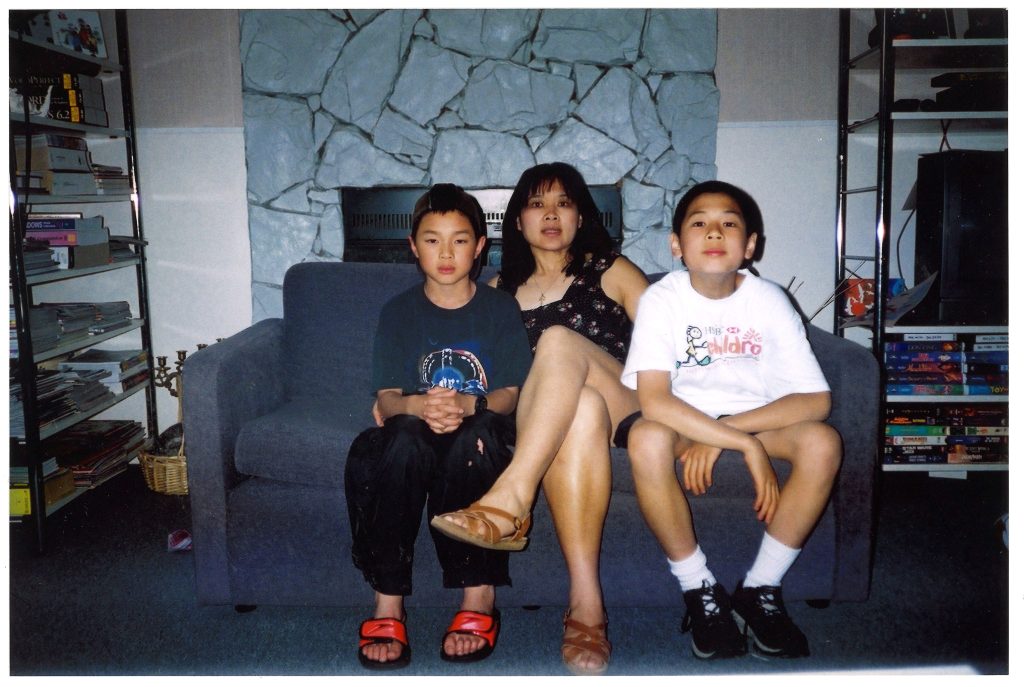
At the centre stands Freda Ahenakew, a visionary and a heroine in Canadian history. Through Greyeyes’s lens, we gradually come to understand what an exceptional woman Ahenakew is and we can sense the pride Greyeyes holds for her grandmother’s work ethic and linguistics accomplishments.
Developing a writing system for a language
Ahenakew was from the Ahtahkakoop Cree Nation in northern Saskatchewan. As a mother of twelve, she was always busy caring for her children and tending the garden. Concerned about cultural loss and noticing her children’s lack of interest in their education, Ahenakew returned to high school to serve as a role model. At the age of 38, she attended the same high school as her children and graduated alongside them. She went on to pursue an academic and teaching career that had enormous contributions.
When she saw that her own children were struggling with their mother tongue, she developed a writing system for a language that had been used only orally. This writing system became her master’s thesis, Cree Language Structures: A Cree Approach. She wrote the definitive Cree language guide, developed women’s learning initiatives and helped create post-secondary programs to study, teach, and preserve the language.
Ahenakew taught Native Studies at the University of Manitoba until 1996. She was the first acting associate professor of the program. She later became the head of the department. In the film, we see a written quote by Ahenakew from the year 2000: “Native Studies is about what happened to white people. Unless you change the professor, it won’t change.”
In the 1980s, Ahenakew formed the First Nations Women Writers group, which provided a supportive base for female indigenous writers, educators and linguists. She published children’s books for the young generations and translated textbooks and technical dictionaries into Cree.
In addition, Ahenakew was instrumental in advocating for legislative reforms regarding the representations of First Nations in school curricula. For example, she petitioned the Ministry of Education for the removal of derogatory words such as “savage” in textbooks, used to describe Indigenous people.
Watch the trailer for A Cree Approach.
Film focuses on language gain rather than language loss
The film touches on the tragedy of residential schools and how the rapid loss of language over a single generation, as seen in Greyeyes’s family, coincided with the residential school systems. While A Cree Approach serves as a beautiful tribute to those who suffered under these institutions, it stays true to the film’s central theme: language gain rather than language loss. The director chooses to focus on her grandmother’s efforts to reclaim what was lost in their language and culture.
In the 1980s, Canadian studies and government reviews showed widespread Indigenous language loss, prompting a shift from assimilationist policies to language preservation and recognition of language rights. Today there are hundreds of language programs and broadcasting channels devoted to various First Nations language and culture programming. However, funding remains an obstacle in Indigenous language revitalization programs.
A Cree Approach is hard work made visible. The film is tenderly intimate, and it is politically urgent. Every scene is deeply moving, inspiring awe for Ahenakew’s monumental accomplishments revitalizing Cree, rescuing and reclaiming it from the effects of colonialism. The director follows in the footsteps of her grandmother by making this impactful contribution.
Watch the trailer for GEMFest 2026.
Event details
A Cree Approach will screen at 1:30 p.m. on Saturday (March 7) at the VIFF Centre as part of the Gender Equity in Media Festival (GEMFest 2026), which runs from March 5 to March 8. For tickets and more information, visit the GEMFest 2026 website. A Cree Approach was produced with the assistance of the National Film Board of Canada’s Filmmaker Assistance Program.
Nural Sümbültepe is a B.C. teacher. Follow Pancouver on X @PancouverMedia, Bluesky @pancouver.bsky.social, and Instagram @PancouverMedia.