Tupananchiskama: Ancient Andean Cosmovision features works dating back more than 2,500 years

Tupananchiskama
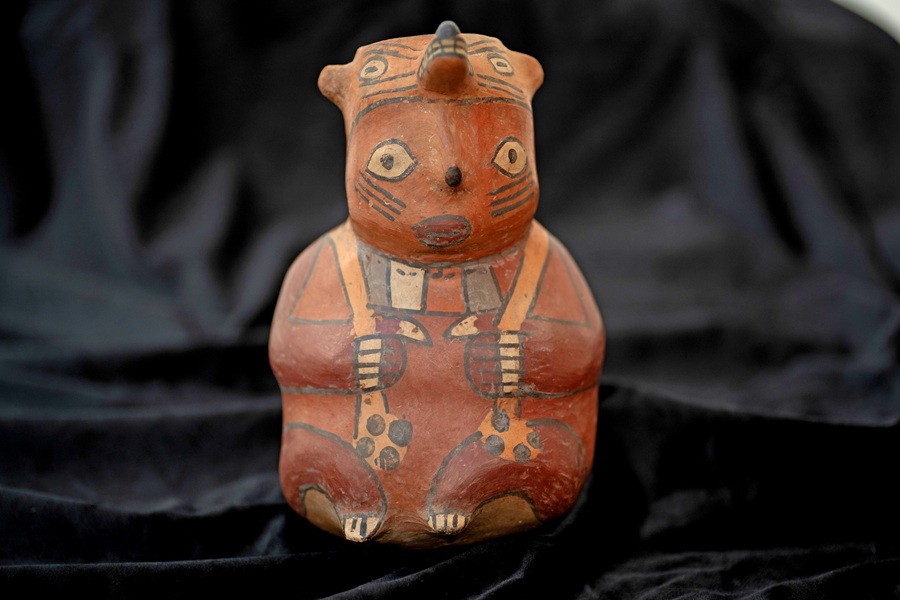
Fox vessel. Vessel. Peru: Ica, Nasca, 100 B.C.E.-800 C.E. MOA Collections 2990/113. Photo by Joshua Doherty.

In the Andean Indigenous language of Quechua, Tupananchiskamameans “until life brings us together again”. According to the Museum of Anthropology at UBC (MOA) website, it “reflects an ancestral view of life and death as part of a continuous cycle”.

“In Andean philosophy, death is not an end but a transformation,” the MOA states.

This helps explain why the museum’s newest exhibition is called Tupananchiskama: Ancient Andean Cosmovision, which runs from March 19 until January 3, 2027. Comprised of nearly 100 pre-Columbian ceremic, textile, bone, and wood works, it highlights the Andean spiritual understanding of the universe.

Some of these artistic works date back more than 2,500 years. Former UBC professor of Indigenous American Art Alan R. Sawyer (1919-2002) donated these pieces to the MOA. Over the course of his academic career, Sawyer took several trips to Peru. The exhibition is guest curated by Peruvian Luis Manuel González, an adjunct professor in the UBC Department of Anthropology,
Tupananchiskama: Ancient Andean Cosmovision
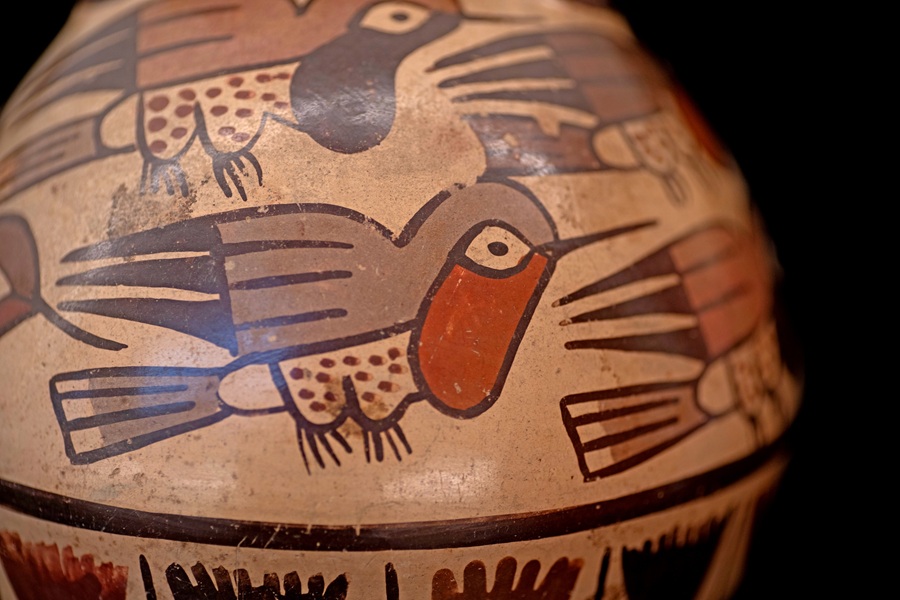
Hummingbird bottle. Peru: Ica. Early Nasca, 100 B.C.E.-400 C.E. MOA Collections 2990/250. Photo by Joshua Doherty.

“Tupananchiskama is rich in circular symbolism—a salutation that carries within it an assurance that the person bidding farewell will see that person or being again,” González said in a news release. “I hope to bring this same sentiment to the exhibition itself.

“As a Peruvian, I was enacting the promise of Tupananchiskama when coming to these ancient belongings—meeting my ancestors and reanimating their lived experience through the curation of this collection,” he continued. “As a conduit for learning and connection, the exhibition invites visitors from Vancouver and beyond to reflect on the teachings of their own ancestors. I believe there is hope, beauty, and stillness in this form of connection to our past.”
Tupananchiskama: Ancient Andean Cosmovision
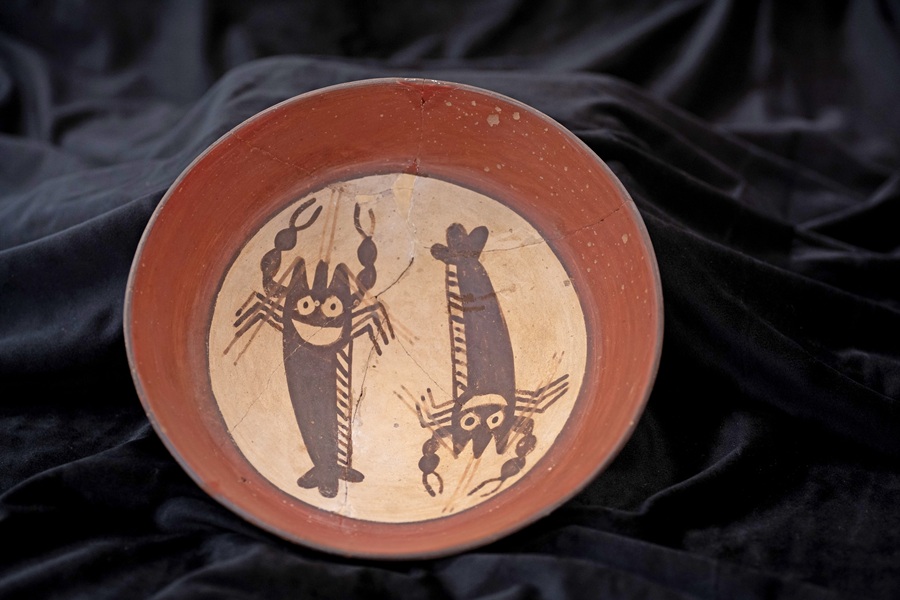
Shrimp bowl. Peru: Ica, Nasca. 100 B.C.E.-800 C.E. MOA Collections 2990/180. Photo by Joshua Doherty.

Tupananchiskama exhibition details

The Museum of Anthropology at UBC (MOA) presents Tupananchiskama: Ancient Andean Cosmovision from March 19 until January 3, 2027. For more information visit the MOA website.

Follow Pancouver on X @PancouverMedia and Instagram @PancouverMedia.

Take Action Now

Pancouver fuels creativity and promotes a more inclusive society. You can contribute to support our mission of shining a spotlight on diverse artists. Donations from within Canada qualify for a tax receipt.

Share this article

Picture of Staff

Staff

Related Articles

The Society of We Are Canadians Too created Pancouver to foster greater appreciation for underrepresented artistic communities. A rising tide of understanding lifts all of us.

We would like to acknowledge that we are gathered on the traditional and unceded territories of the Coast Salish peoples of the xʷməθkwəy̓əm (Musqueam Indian Band), Skwxwú7mesh (Squamish Nation), and Səl̓ílwətaɬ (Tsleil-Waututh Nation). With this acknowledgement, we thank the Indigenous peoples who still live on and care for this land.

This project is funded in part by the Government of Canada.

The Society of We Are Canadians Too created Pancouver to foster greater appreciation for underrepresented artistic communities. A rising tide of understanding lifts all of us.

We would like to acknowledge that we are gathered on the traditional and unceded territories of the Coast Salish peoples of the xʷməθkwəy̓əm (Musqueam), Skwxwú7mesh (Squamish), and Səl̓ílwətaɬ (Tsleil-Waututh) Nations. With this acknowledgement, we thank the Indigenous peoples who still live on and care for this land.

Enjoying Pancouver?

Independent arts journalism needs readers like you!

If you value stories like this, please consider supporting Pancouver.