

Tathagata Ghosh’s dramatic short film—which screened at the recently concluded Vancouver International Film Festival—breaks new ground. “Amar Comrade (My Comrade)” is a Bengali-language story about Indian tribals living in West Bengal. They are caught between Indian police and the Maoist insurgents fighting a class war on behalf of oppressed and marginalized communities.
The tribals, as they’re called in India, often oppose any attempt to evict them from their forests and traditional lands without informed consent. The extraction industry, with the backing of the Indian establishment, often accuses the tribals of harbouring Maoist rebels.
Nando (Sounak Kundu), a tribal man, gives shelter to a sick guerrilla warrior, Bikash Mahato (Aratrick Bhadra), in spite pf objections from his wife Jhumri (Adrija Majumdar) who fears police retaliation. She maintains that Maoists mistreat tribals by accusing them of spying for police.
As the film unfolds, Nando turns into an ambivalent Maoist, who dreams about donning their uniform. The film includes news footage of tribals in the Jangalmahal area of southwestern Bengal fighting with police to oppose mining in their community.
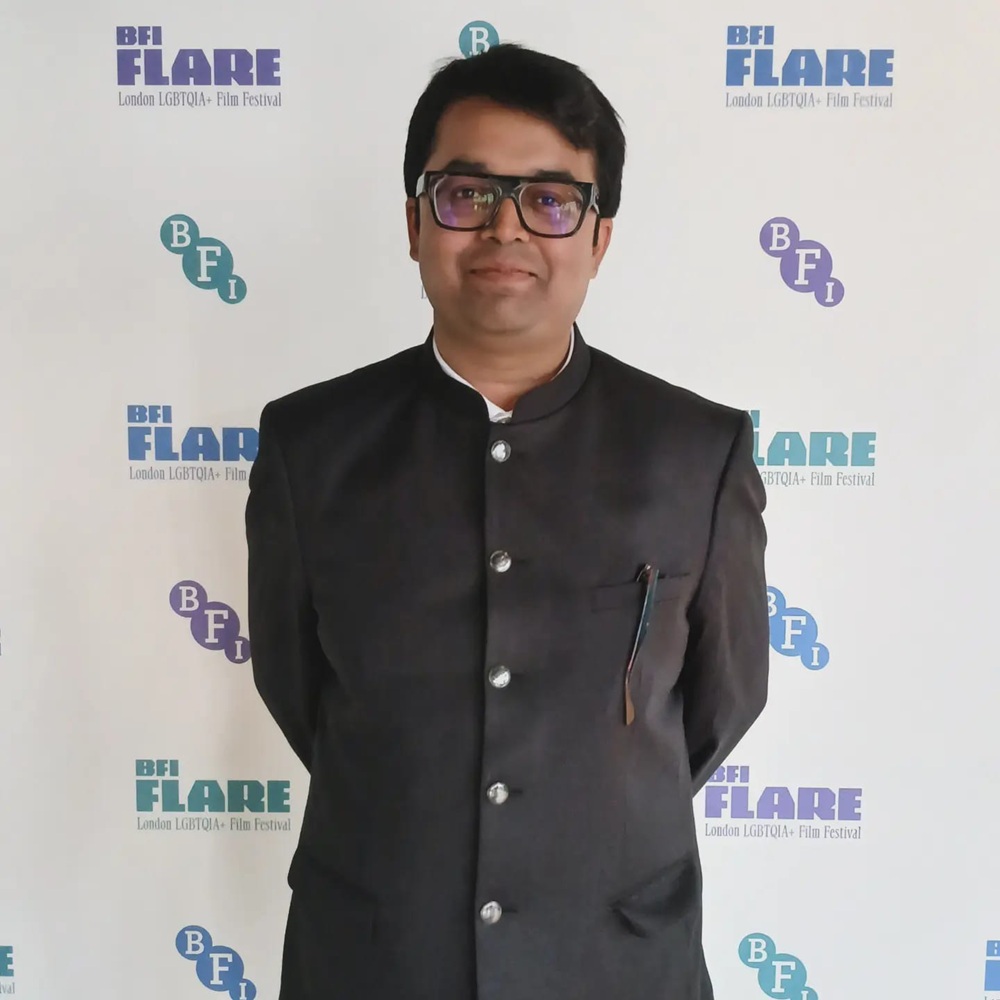
“Amar Comrade (My Comrade)” offers nuanced view
Notably, the current Maoist insurgency is the new avatar of the Naxalite movement of 1970s that took its name from the village of Naxalbari in West Bengal. That’s where repression of tribals in 1967 sparked ultra-leftist resistance in many Indian states.
Ghosh could have included that in his film, but he chose instead to set the record straight. His film challenges the widespread belief that tribals are so sandwiched between the state and the Maoists that they have no choice but to embrace guerrilla warfare in order to fight back against the government, which is taking away their resources.
Incidentally, his film was screened on the eve of October 12, the first death anniversary of G.N. Saibaba, a former Delhi University professor who was disabled below the waist. He was thrown behind bars for years under trumped-up charges of being a Maoist ideologue for merely defending the rights of the tribals. A few months after his release, he died due to medical conditions related go his inhuman treatment in jail.
Gurpreet Singh is a B.C. author and co-founder of Radical Desi. In addition, he hosts a daily news and current affairs show on YouTube called Navin Taazi. Follow Gurpreet Singh on Bluesky @gurpreetradical.bsky.social. Follow Pancouver on X @PancouverMedia and Bluesky @pancouver.bsky.social. The publication is also on Instagram @PancouverMedia.




