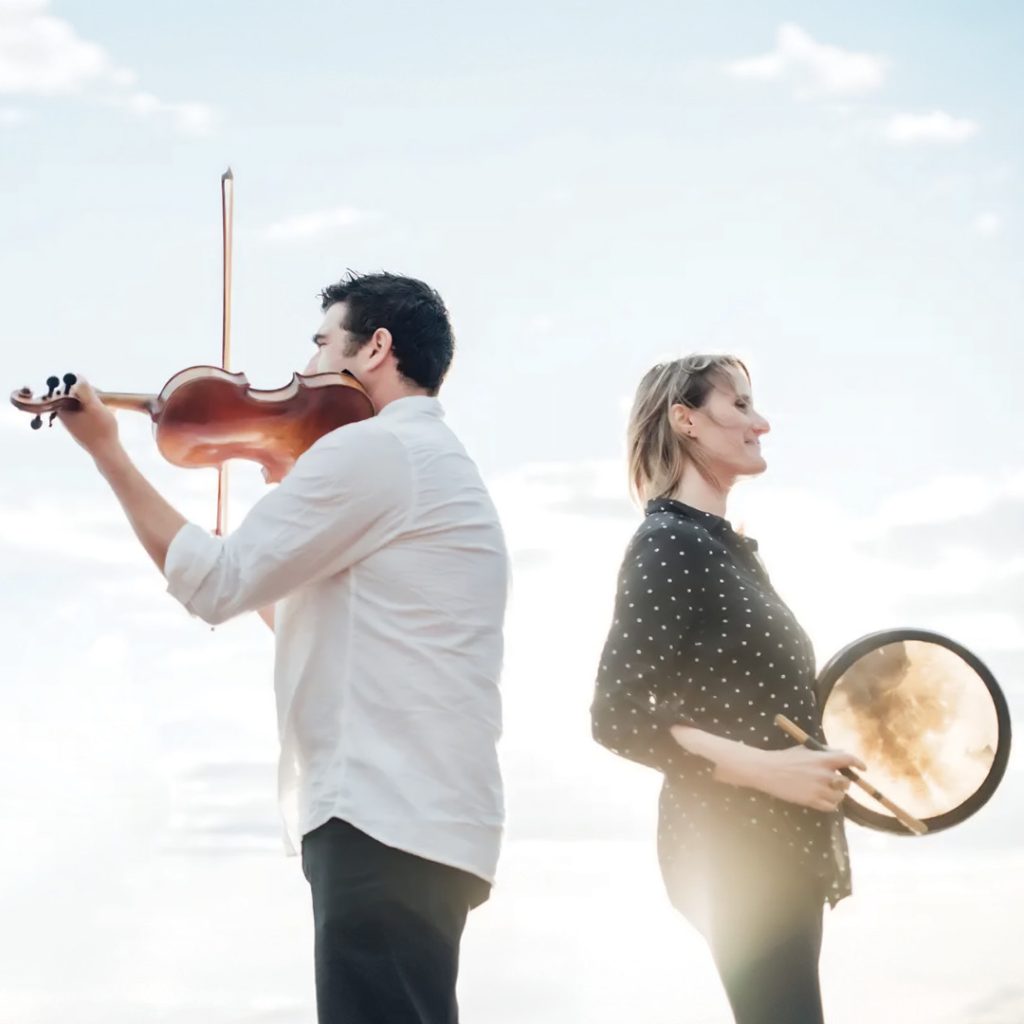
ZiXuan & Slow Train at the Vancouver Playhouse on September 5 as part of Vancouver TAIWANfest.
ZiXuan Huang isn’t a conventional Asian pop star. The Taiwanese frontman for ZiXuan & Slow Train doesn’t specialize in dance-heavy tracks like BTS or crooning, romantic ballads like Jacky Cheung.
Rather, ZiXuan is on a mission to connect audiences to contemporary Hakka rock and folk that draws upon centuries-old traditions, both lyrically and musically. And he along with his band members demonstrated this with polish and joy at the Vancouver Playhouse on September 5.
They opened with “What Year, What Month”, a melodic song about a mythical monster in Guangxi. ZiXuan incorporated the vocal style of traditional Hakka mountain music into this piece. Yet he still soaked his composition with percussion, bass lines, and guitar work, offering a thoroughly modern musical take on a Hakka legend.
This was a wonderful precursor for one of the band’s bigger hits, “Hotel”. The song came from its Golden Melody–nominated Going Up to the Country album.
“Hotel”, which was released in 2019, has a bouncy beat and rhythm that transcends language barriers. But it was still delightful to see English and Traditional Chinese subtitles flash across the screen behind the band.
So even when ZiXuan sang catchy numbers in Hakka, everyone could savour the lyrics. Vancouver TAIWANfest’s presentation of subtitles adds meaning and is a model that other Vancouver festivals would be wise to emulate.
One of the standouts of ZiXuan & Slow Train’s show was the bluesy and soulful title track from the 2024 New Soul album. The throbbing beat and repetitive lyrics of “New Soul” just might have made this the most hypnotic song of the evening.
Another track from the Golden Melody Award-winning New Soul, “Past Path of Hakka (“The Camphor Trail”), shared the history of Hakka migration. ZiXuan sang plaintively of Hakka people’s treks over mountain paths and across oceans to carry on the family lineage in new lands. Melodic and heartfelt, the opening guitar work offered a Dylanesque accompaniment to an important story of Hakka survival through the centuries.

ZiXuan leads an emotional singalong
The Hakka people originally migrated from northern China to the south during the Song dynasty. They later moved across the strait to Taiwan in significant numbers more than 300 years ago as guest workers.
Subsequent generations preserved their language, music, and rural traditions in Taiwan. Hakka people also created communities in many other regions around the world, including British-ruled India, the Caribbean, and Southeast Asia.
For much of the concert, ZiXuan shared jokes and offered short commentaries about Hakka life between songs. Sometimes, he spoke in English but more often conversed in Hakka and Taiwanese, oozing on-stage charisma. This was especially true as the show progressed and he ventured into the crowd. ZiXuan even performed a moonwalk near the end of the concert.
One of the biggest crowd pleasers was “Hang Around in Home Town” from the Golden Melody Award–winning The Stranger. Featuring profound lyrics about ZiXuan’s connection to his hometown of Hsinchu, this Hakka folk-rock classic turned into an emotional and nostalgic singalong as audience members’ cellphone lights filled the Vancouver Playhouse.
The star of the show was clearly ZiXuan, but he wasn’t afraid to let the other musicians shine. Keyboardist JiaLu (家陸) was simply spectacular, perhaps most notably during his transcendent solo in the final number, “Discover in the Rain”. This bluesy track was released late last year on the EP BALI with Indonesian musician Rizal Hadi.
The lyrics of “Discover in the Rain” reflect ZiXuan’s deep empathy for migrant workers in Taiwan today. The word Hakka means “guest”—and ZiXuan sees parallels between new immigrants’ struggles and those of his forefathers.
“They bring with them customs that may be unfamiliar to the local population,” ZiXuan told Pancouver last month. “Such dynamics often lead to friction and mutual preconceptions between groups.”
He, on the other hand, brought a healing message to Vancouver through his music. And one that many Taiwanese immigrants in the audience could clearly identify with.
Follow Pancouver on X @PancouverMedia, Bluesky @pancouver.bsky.social, and Instagram @PancouverMedia.