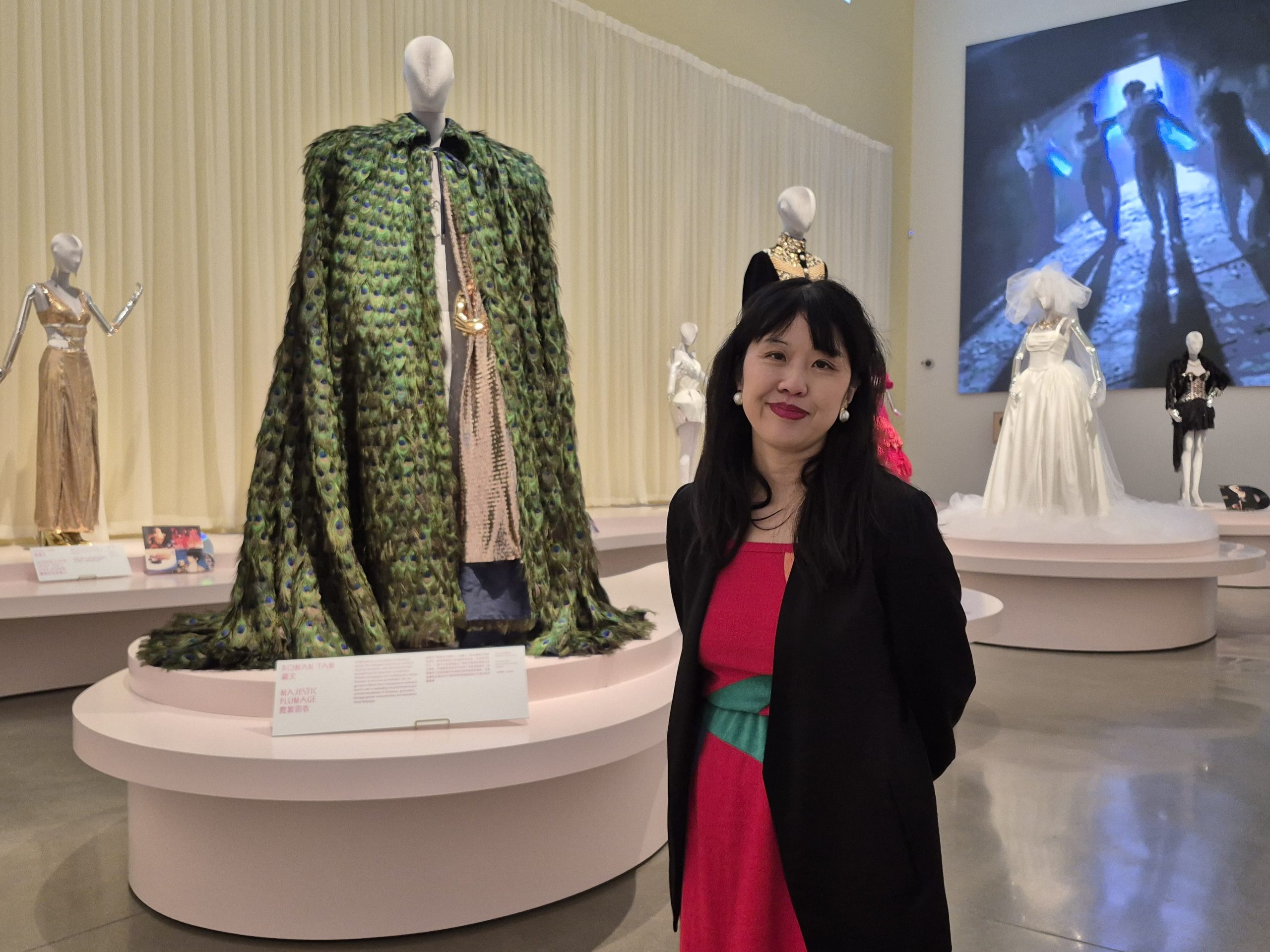
華裔博物館的「夢工廠」(Dream Factory)展覽揭示了溫哥華在粵語流行樂傳奇歷史中所扮演的角色
李博士將華裔博物館的大型新展覽描述為「一場對聲樂,曲風和華僑創造力的頌揚」。此外,她還補充,「夢工廠:粵語流行樂80 年代至 2000 年」講述了一個長期被忽視關於溫哥華的故事。

李博士將華裔博物館的大型新展覽描述為「一場對聲樂,曲風和華僑創造力的頌揚」。此外,她還補充,「夢工廠:粵語流行樂80 年代至 2000 年」講述了一個長期被忽視關於溫哥華的故事。

The Society of We Are Canadians Too created Pancouver to foster greater appreciation for underrepresented artistic communities. A rising tide of understanding lifts all of us.
This project is funded in part by the Government of Canada.
We would like to acknowledge that we are gathered on the traditional and unceded territories of the Coast Salish peoples of the xʷməθkwəy̓əm (Musqueam Indian Band), Skwxwú7mesh (Squamish Nation), and Səl̓ílwətaɬ (Tsleil-Waututh Nation). With this acknowledgement, we thank the Indigenous peoples who still live on and care for this land.
This project is funded in part by the Government of Canada.
The Society of We Are Canadians Too created Pancouver to foster greater appreciation for underrepresented artistic communities. A rising tide of understanding lifts all of us.
We would like to acknowledge that we are gathered on the traditional and unceded territories of the Coast Salish peoples of the xʷməθkwəy̓əm (Musqueam), Skwxwú7mesh (Squamish), and Səl̓ílwətaɬ (Tsleil-Waututh) Nations. With this acknowledgement, we thank the Indigenous peoples who still live on and care for this land.
Independent arts journalism needs readers like you!
If you value stories like this, please consider supporting Pancouver.