四處作「客」,以味為家:專訪印度客家餐廳 Indian Wok
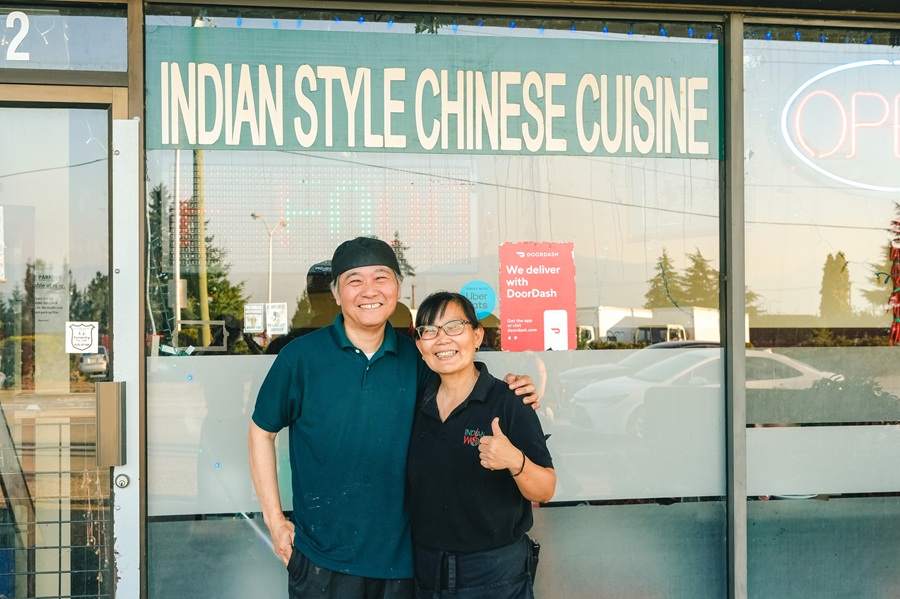
「這不是中菜,也不是印度菜,我們的料理介在兩者之間。」經過本拿比(Burnaby)的街邊,你很難不被一間店的店名吸引,叫做 Indian Wok。由 Ian 和太太 Sophia 經營,他們都是在印度出生長大的客家人。

「這不是中菜,也不是印度菜,我們的料理介在兩者之間。」經過本拿比(Burnaby)的街邊,你很難不被一間店的店名吸引,叫做 Indian Wok。由 Ian 和太太 Sophia 經營,他們都是在印度出生長大的客家人。
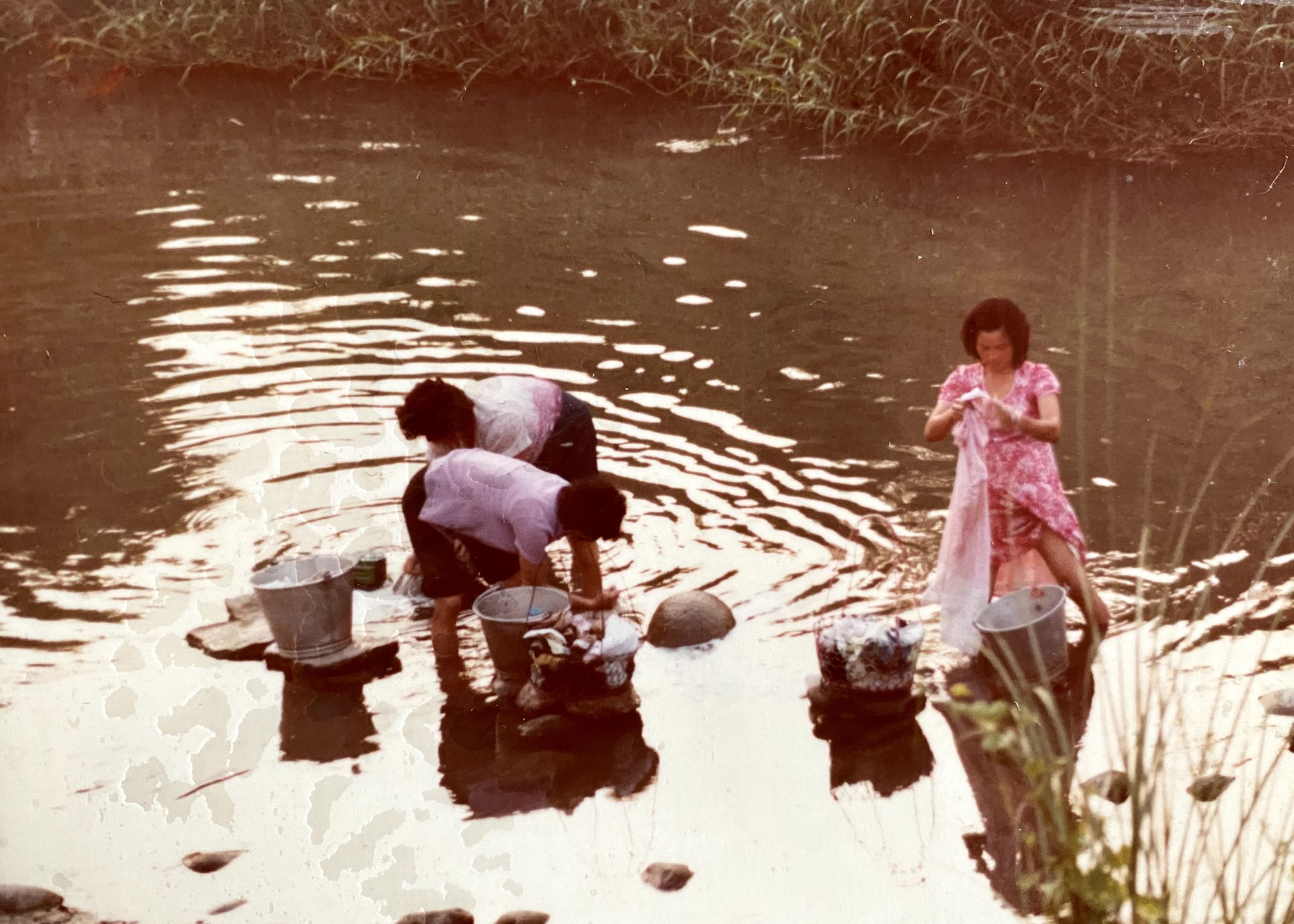
在传统论述中的客家社会,家家户户中的女性是劳动工具的代名词:勤劳朴实、刻苦耐劳、勤俭持家或是大英百科全书中强调客家妇女是精力充沛的劳动者。国外历史学者说客家女性勤劳得像是母牛,或者说像是牛奶上面的起士:「客家妇女对她们的丈夫是非常尊敬及顺从的。」

在傳統論述中的客家社會,家家戶戶中的女性是勞動工具的代名詞:勤勞樸實、刻苦耐勞、勤儉持家或是大英百科全書中強調客家婦女是精力充沛的勞動者。國外歷史學者說客家女性勤勞得像是母牛,或者說像是牛奶上面的起士:「客家婦女對她們的丈夫是非常尊敬及順從的。」


The Society of We Are Canadians Too created Pancouver to foster greater appreciation for underrepresented artistic communities. A rising tide of understanding lifts all of us.
This project is funded in part by the Government of Canada.
We would like to acknowledge that we are gathered on the traditional and unceded territories of the Coast Salish peoples of the xʷməθkwəy̓əm (Musqueam Indian Band), Skwxwú7mesh (Squamish Nation), and Səl̓ílwətaɬ (Tsleil-Waututh Nation). With this acknowledgement, we thank the Indigenous peoples who still live on and care for this land.
This project is funded in part by the Government of Canada.
The Society of We Are Canadians Too created Pancouver to foster greater appreciation for underrepresented artistic communities. A rising tide of understanding lifts all of us.
We would like to acknowledge that we are gathered on the traditional and unceded territories of the Coast Salish peoples of the xʷməθkwəy̓əm (Musqueam), Skwxwú7mesh (Squamish), and Səl̓ílwətaɬ (Tsleil-Waututh) Nations. With this acknowledgement, we thank the Indigenous peoples who still live on and care for this land.
Independent arts journalism needs readers like you!
If you value stories like this, please consider supporting Pancouver.