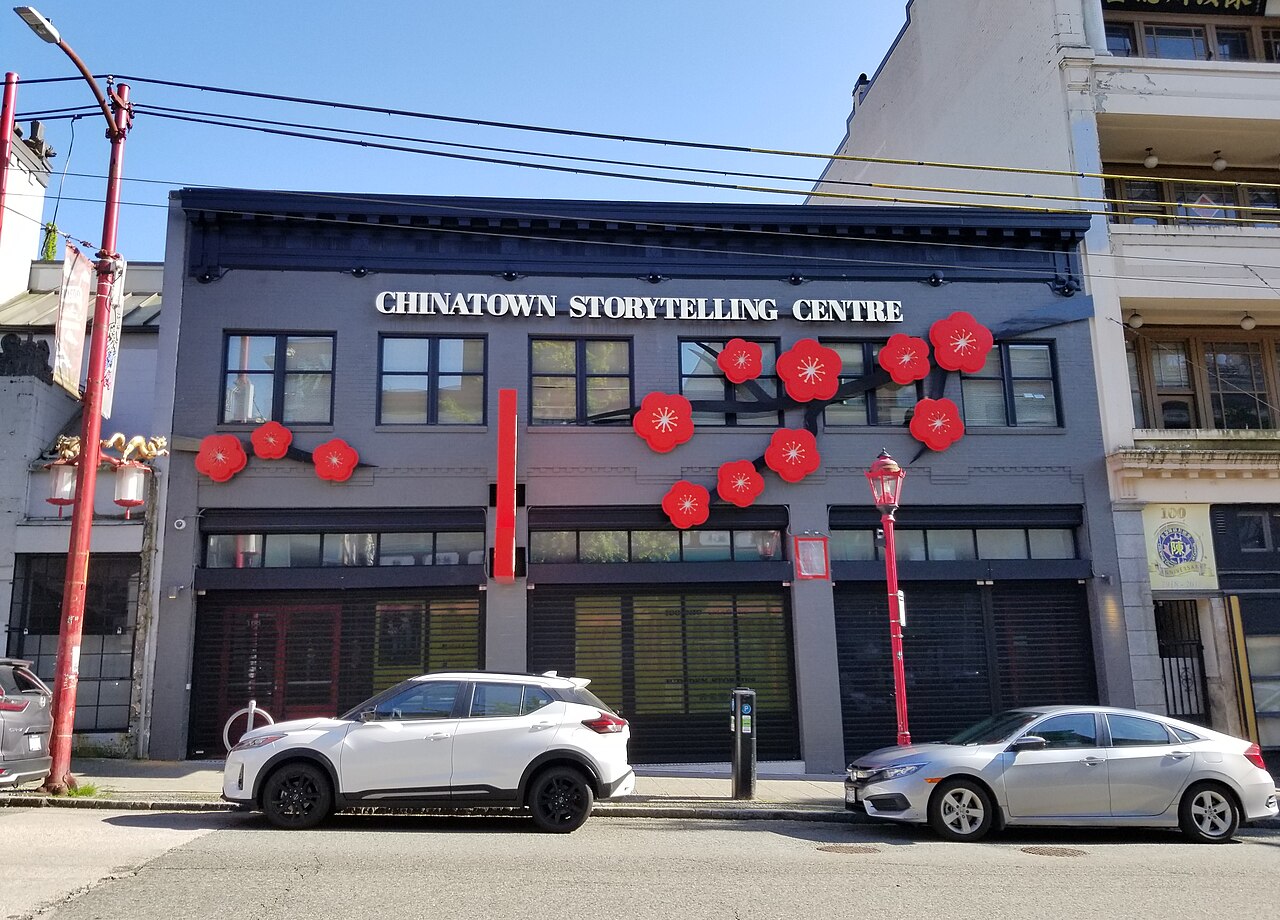
Chinatown Storytelling Centre celebrates historic neighbourhood’s heyday with the Learning Lab
Vancouver’s Chinatown thrived from the 1950s to 1980s—and the Learning Lab shares stories of individual success.

Vancouver’s Chinatown thrived from the 1950s to 1980s—and the Learning Lab shares stories of individual success.

Jon Chiang says that his award-winning documentary, Spring After Spring, is really about profound and universal family relationships.
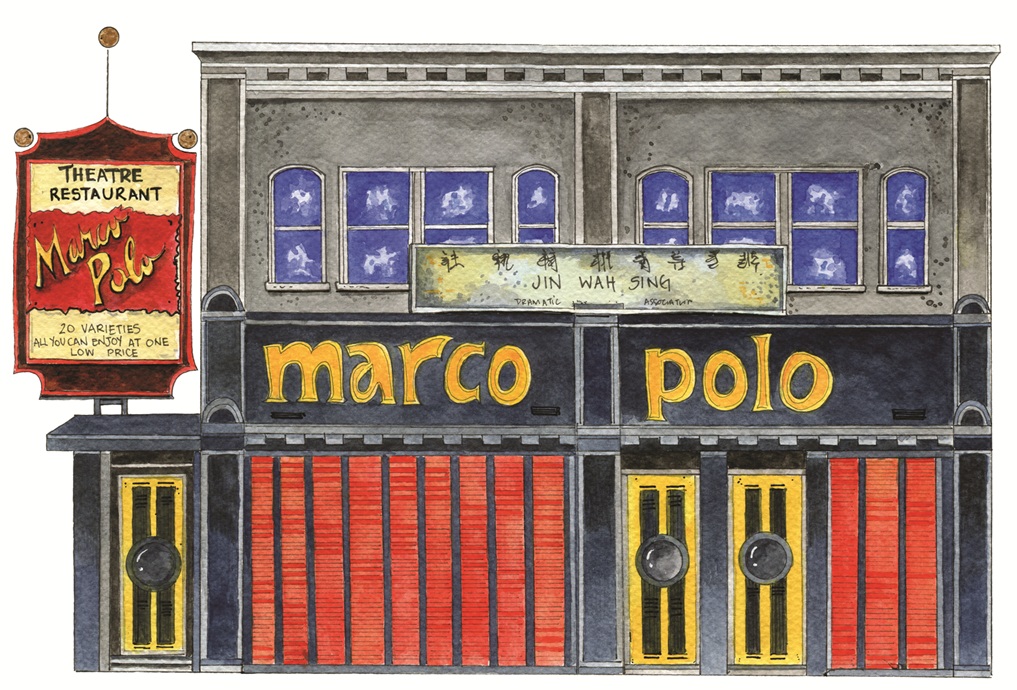
Seto, a political scientist, hand-painted dozens of illustrations in her book, which was recently published by House of Anansi Press.

Wong will join narrator Ramona Mar and others for Once Upon a Time on a Chinatown Night at the Downtown Eastside Heart of the City Festival.

The historic Wing Sang Building at 51 East Pender Street in Chinatown will be home to the Chinese Canadian Museum.
位於溫哥華唐人街的歷史建築永生號大樓即將改建成新的華裔博物館,成為旅遊及教育景點。另外,持有大樓的卑詩省華裔博物館協會將獲得1,000萬元的省政府額外資助。政府新聞稿稱,這項撥款將用作支付博物館於7月1日開放前夕的「翻新和營運成本」。加拿大華裔博物館的首任首席執行官李林嘉敏博士表示:「抵銷營運成本的影響也將使我們能投入更多的時間與心思,進一步優化訪客體驗,這對博物館的成功至關重要。」
位于温哥华唐人街的历史建筑永生号大楼即将改建成新的华裔博物馆,成为旅游及教育景点。另外,持有大楼的卑诗省华裔博物馆协会将获得1,000万元的省政府额外资助。政府新闻稿称,这项拨款将用作支付博物馆于7月1日开放前夕的「翻新和运营成本」。加拿大华裔博物馆的首任首席执行官李林嘉敏博士表示:「抵销运营成本的影响也将使我们能投入更多的时间与心思,进一步优化访客体验,这对博物馆的成功至关重要。」

The mob showed up at the invitation of the Asiatic Exclusion League, founded just months before by the Vancouver Trades and Labour Council.

