
Who was Albert Luthuli? The murdered South African leader who put his people above himself
In the last decades of his life, Luthuli was silenced and persecuted.

In the last decades of his life, Luthuli was silenced and persecuted.
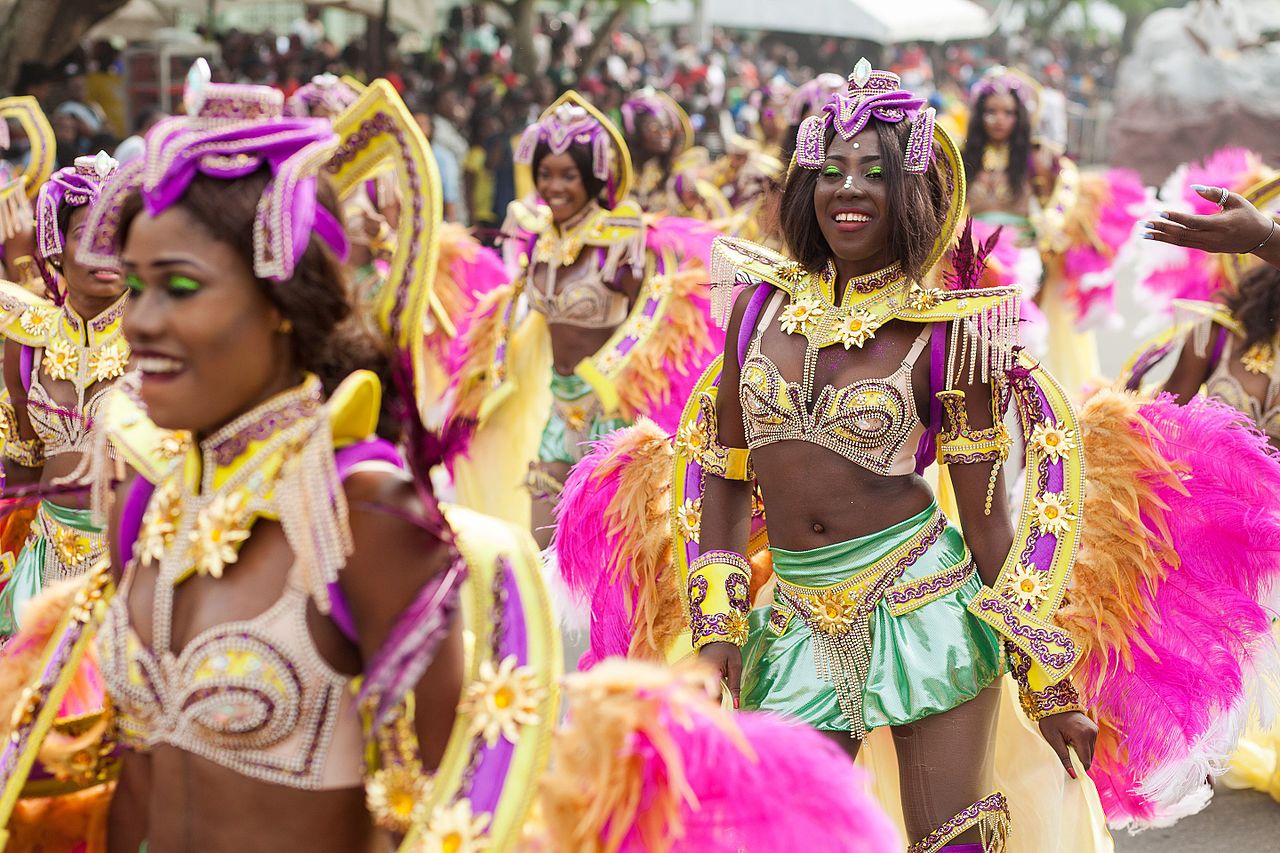
Locals and diasporic West Africans returning from overseas come together to create Detty December.
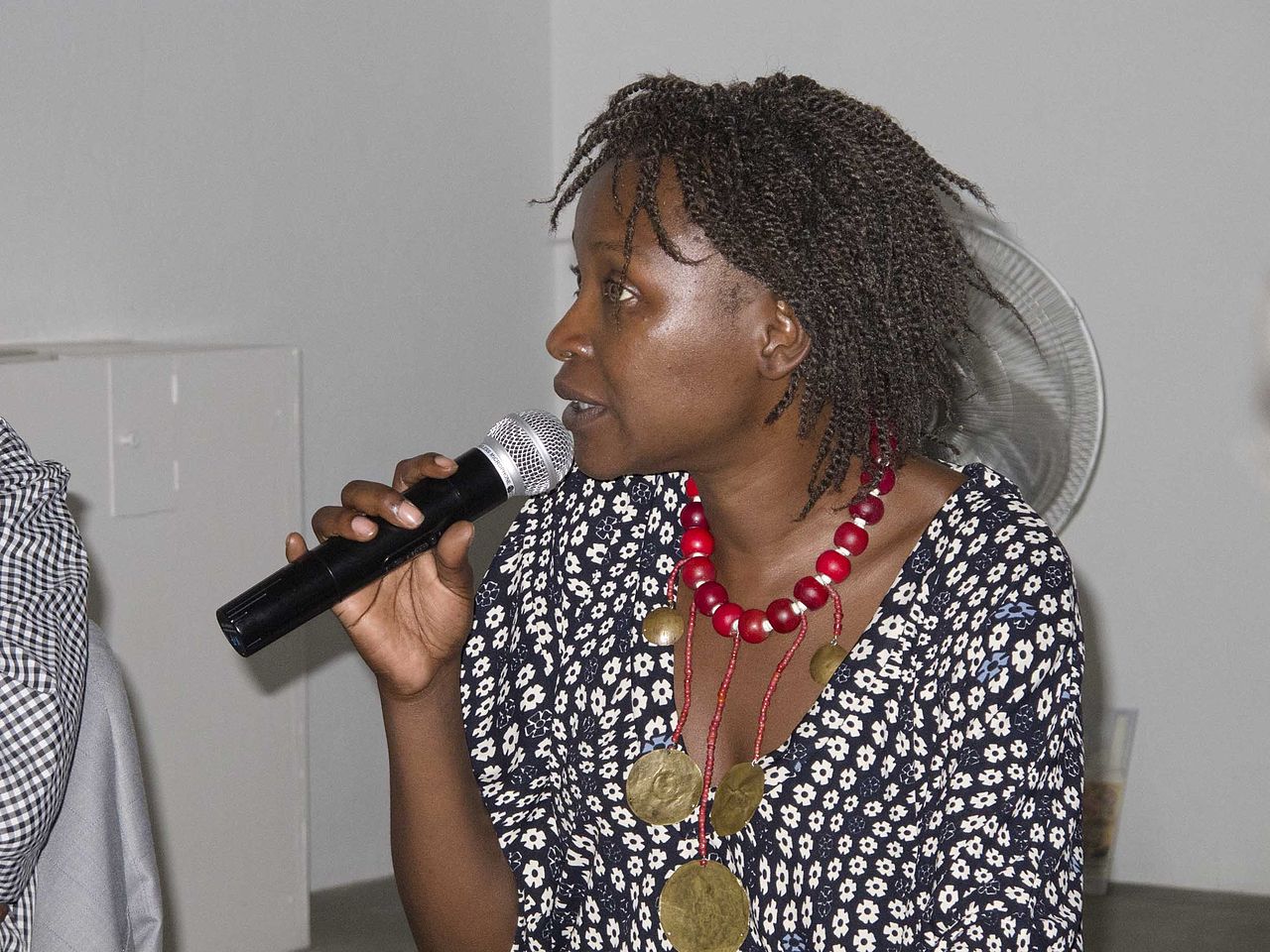
Kouoh had been announced as the first African woman to curate the internationally renowened Venice Biennale in 2026.
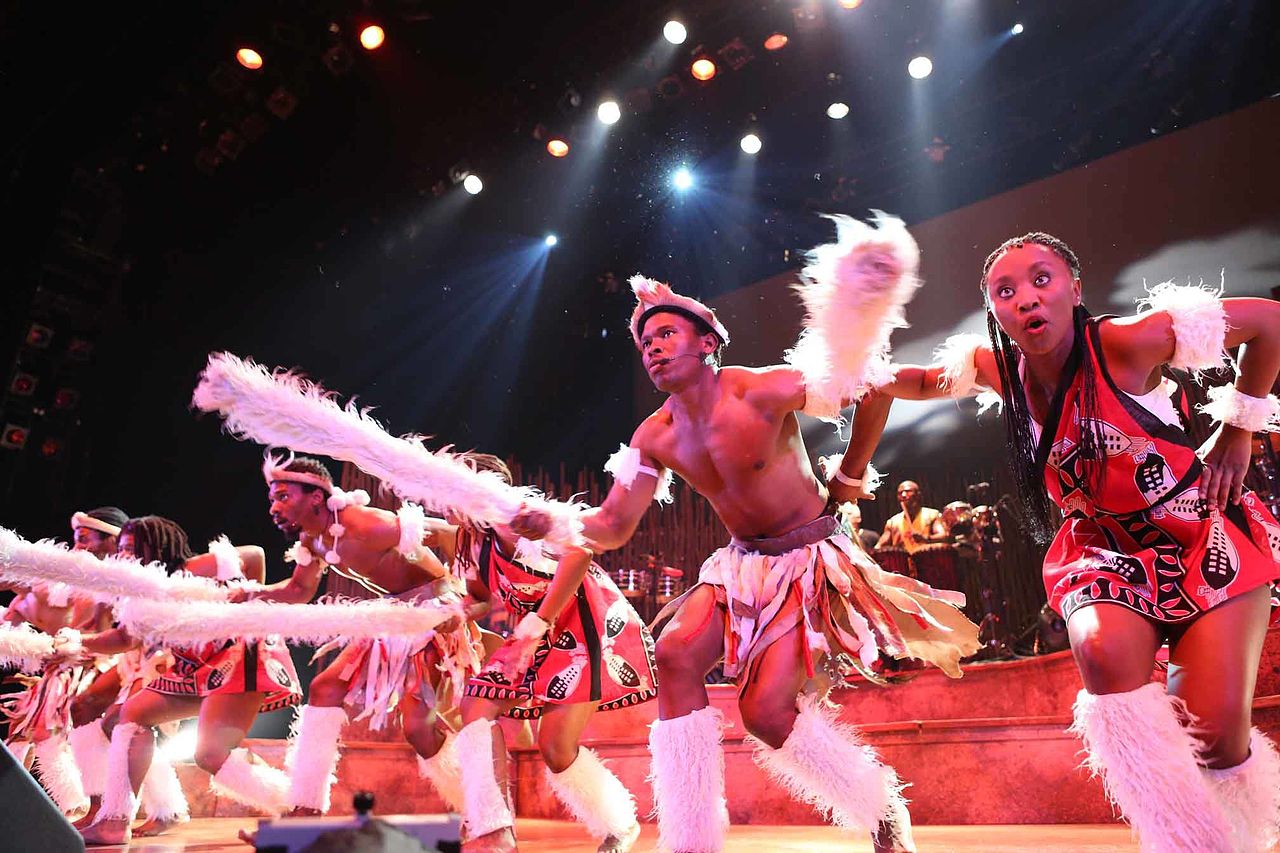
The G20 culture agenda addresses heritage restitution, socio-economic strategies for inclusivity, digital technologies, and climate action.

Fassie rebelled through fashion, language, sexuality, and even through an often childlike nature that can be seen in her performances.

There’s no consensus about when izikhothane emerged, but there’s reason to believe the ukukhothana subculture can be traced back to 2005,

Ubuntu is an African philosophy that promotes the common good of society and includes humaneness; each person is an integral part of society.

In his July 1 apology, King Willem-Alexander praised those who resisted slavery in Dutch colonies around the world.

A lecturer at Nelson Mandela University says that “umlungu” demonstrates how the meaning of a word can change to reflect a changing society.

