Ships ahoy! The 21st Richmond Maritime Festival returns to the Britannia Shipyards National Historic Site in Richmond on Saturday (August 24) and Sunday (August 25).
The free event offers plenty of entertainment for adults and children, maritimed-themed programming, B.C. history, and dining treats. One of the chief organizers, Mimi Horita, recently shared the details in a emailed interview with Pancouver.
Pancouver: Let’s start with the location of the Richmond Maritime Festival. Can you describe the Britannia Shipyards National Historic Site for people who’ve never visited this location?
Mimi Horita: This is an eight-acre “hidden gem” located steps away from Steveston’s popular Fisherman’s Wharf and village, overlooking the banks of the Fraser River. Thirteen heritage buildings representing Richmond’s fishing, canning and boat building history have been preserved and restored with great care, to share the stories and legacies of the diverse community of workers who settled here in the late 1800s to early 1900s. The site is free of admission, and features exhibits, programming and events year-round.
Pancouver: What is the goal of the festival?
Mimi Horita: This is an annual celebration of Steveston and Richmond’s diverse maritime heritage featuring West Coast boats, local artists, performers, cultural groups and community partners for visitors of all ages, from throughout Metro Vancouver.
Pancouver: What will festival visitors see on the docks?
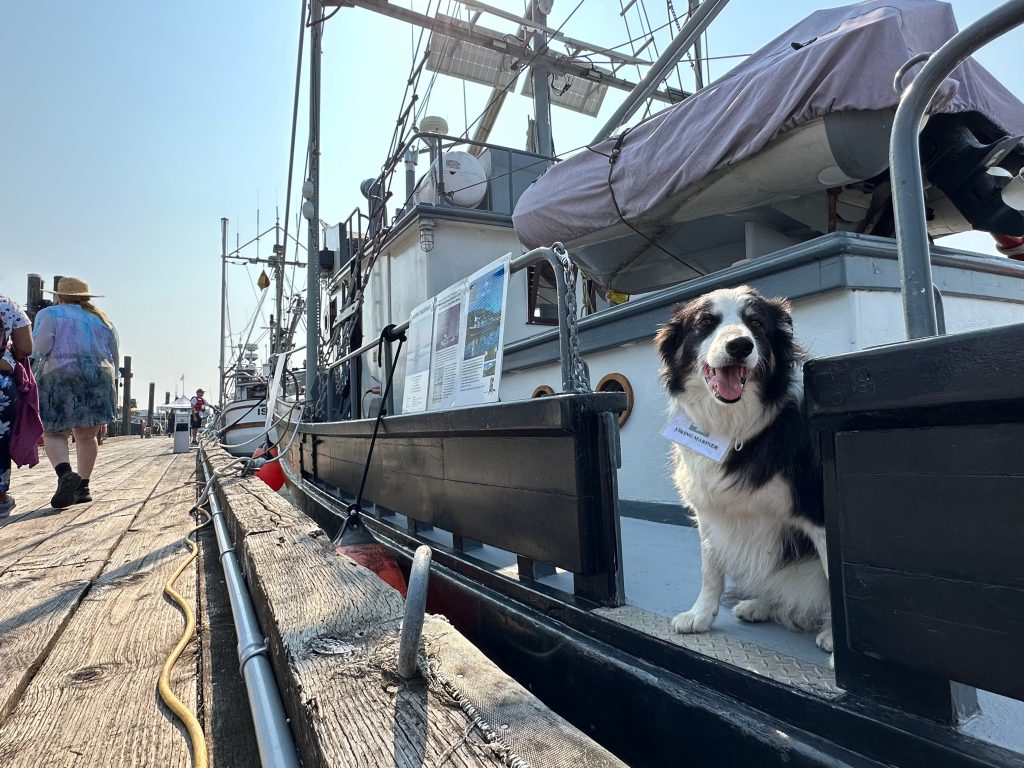
Mimi Horita: We will have a full dock this year with wooden west coast boats such as the SS Master steam-powered tugboat and the MV Gikumi, BC’s first whale-watching boat. There will also be working maritime vessels such as the Delta Lifeboat and the Royal Canadian Marine Search and Rescue (RCMSAR)’s Spirit of Hastings.
Martime fun for children
Pancouver: What’s available for kids at the Richmond Maritime Festival?
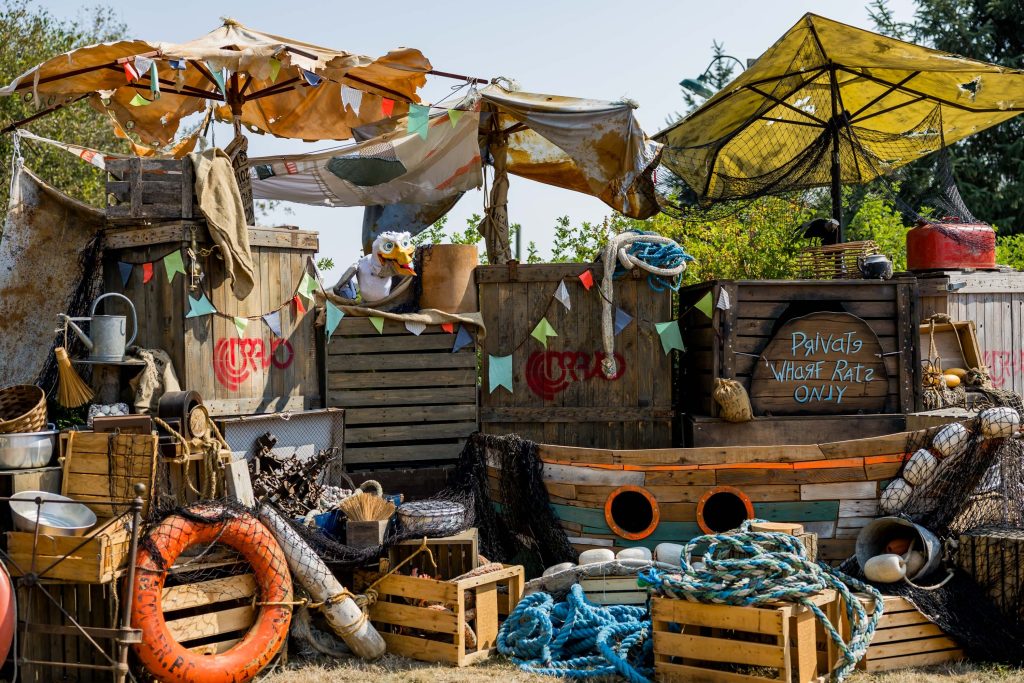
Mimi Horita: So much fun! Many maritime-themed arts and crafts, such as Japanese origami (paper-folding), puppet-making, knitting and crocheting, colouring, and games offered by our community partner booths. And everyone’s favourite hilarious puppet shows, featuring wisecracking Rikki the Rat, Segal the Seagull, Lulu the Mermaid, and new this year, Tabby the Cat. Kids also love getting up close to the boats (under the safe watch of their guardians, of course) and enjoying the tasty food truck treats.
Pancouver: What would you like people to know about the performing arts component?
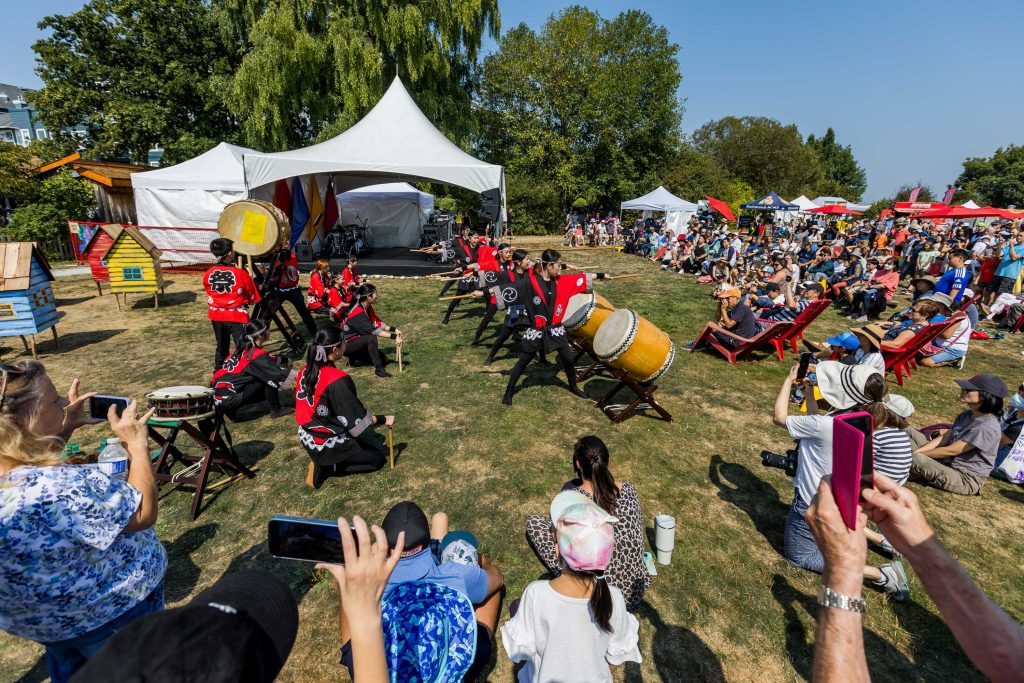
Mimi Horita: Make sure to explore every corner of the festival site, as there will be stages in multiple locations, featuring our talented local musicians and performers. The main stage will be on the Festival Field, opening with GO Taiko and continuing with live music throughout the weekend.
There will also be performances in the Octopus’ Garden at the west entrance of the site, and inside the Seine Net Loft. New this year is an art installation and musical performance by Kevin Takahide Lee, reflecting upon his Japanese Canadian roots in Richmond. Kevin’s grandfather was a fisherman who built his home in Terra Nova—an Edwardian cottage now home to the Terra Nova Nature School preschool program.
Food trucks galore
Pancouver: What options are available for anyone who wants to eat?
Mimi Horita: There will be 15 food trucks and vendors, featuring multicultural fare from sushi, dumplings, bubble tea, grilled dishes from Persia and the Philippines, and much more!
Pancouver: Can you explain how this site is connected to the history of Richmond and the region?
Mimi Horita: The Britannia Shipyard building after which this historic site is named, was originally constructed as a salmon cannery in 1889. By 1900, it was one of 15 canneries operating on the Cannery Channel in Steveston alongside hundreds of other industrial structures associated with canning, fishing, and boat-building to support the burgeoning salmon fisheries operation in this area.
Designated a national historic site in 1992, this site is home to some the oldest buildings left standing to represent the heyday of the fisheries. It drew thousands of settlers from around the world to build the roots of this multicultural community that we know today.
Pancouver: There were Chinese, European, Indigenous, and Japanese Canadians all working in the fishing industry more than 100 years ago. How did they interact with one another?
Mimi Horita: All of these hardworking labourers were key to the establishment of the fishing, canning and boat building industries here. While they may have worked on the same waters or under the same roof, their living situations were segregated, as well as their treatment by company management and the government, not without widespread discrimination. On a community level, we do hear stories of how the families (especially the children) lived alongside each other in harmony.
History remembered in Steveston
Pancouver: You’re of Japanese ancestry yourself. How does it feel for you to be living and working in a community where Japanese Canadians thrived—only to lose everything when they were incarcerated en masse during the Second World War?
Mimi Horita: While not a direct descendant of internment survivors, I am inspired and motivated by the perseverance of the Japanese Canadian pioneers who overcame so much to build, rebuild, and rebuild again their homes and lives, despite the injustices and dispossession that they experienced. I feel honoured to interact with and learn directly from these survivors and their descendants, and embrace the opportunity to share these stories with visitors to our community and heritage sites.
Pancouver: How is this historical Japanese presence in Steveston commemorated in the community today?
Mimi Horita: Many, though not all, Japanese Canadian families from Steveston returned after their forced removal during the Second World War, despite the fact that the property and businesses that they had owned were no longer theirs. They continued to contribute to many projects in Steveston, including the building of the Steveston Community Centre, the Martial Arts Centre and Japanese Canadian Cultural Centre, to name a few.
The Kuno Japanese Garden at Garry Point Park, the Steveston Nikkei Memorial next to the Steveston Tram, and the Japanese Fishermen’s Benevolent Society Building next to Steveston Museum, also commemorate this heritage, along with annual events such as the Richmond Cherry Blossom Festival in springtime, and the Japanese Cultural Show at the Steveston Salmon Festival.
Many more projects are still underway to commemorate the Japanese Canadian legacy in Steveston, including an exhibit on the history of Japanese Canadian boat building at Britannia Shipyards NHS.
The Richmond Maritime Festival takes place on Saturday (August 24) and Sunday (August 25). For more information, visit the website. Follow Pancouver on Instagram @PancouverMedia.