If anyone wants to know more about the towering Indian scholar and undisputed leader of Dalits (the so-called “untouchables”), Iconoclast: A Reflective Biography of Dr Babasaheb Ambedkar is a must read.
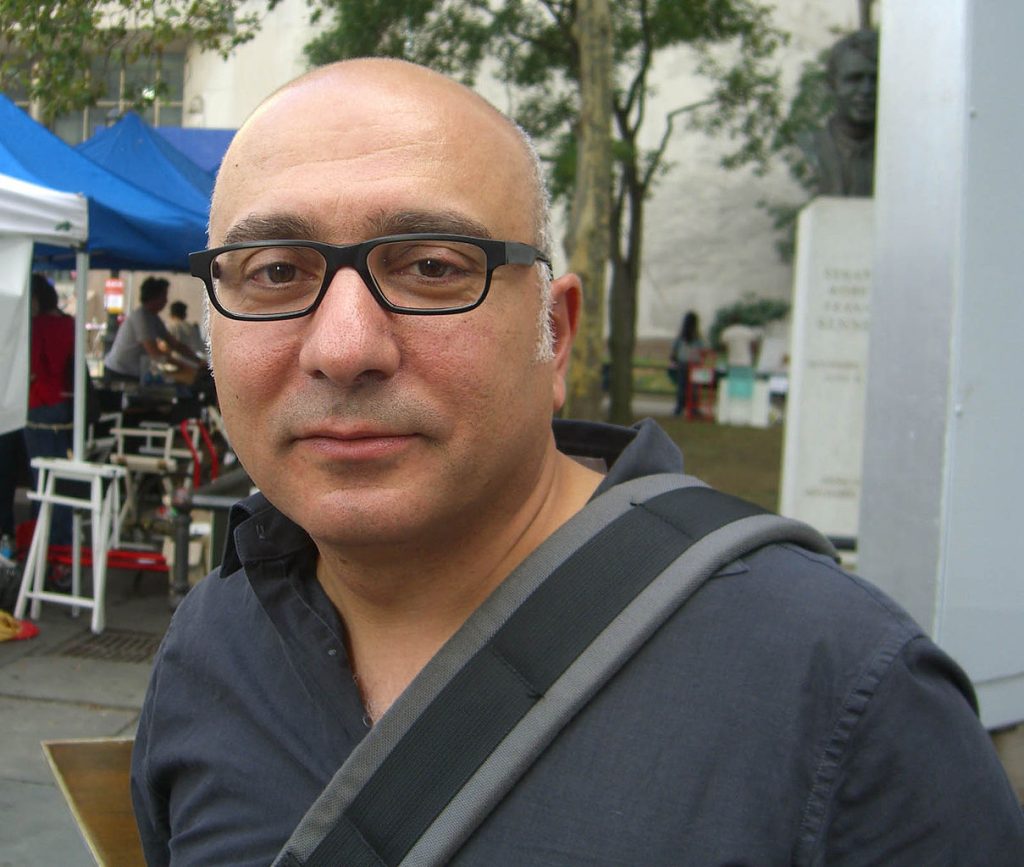
A voluminous book by a renowned columnist and published author Anand Teltumbde, it’s a comprehensive study of the life and work of Dr. Bhimrao Ambedkar.
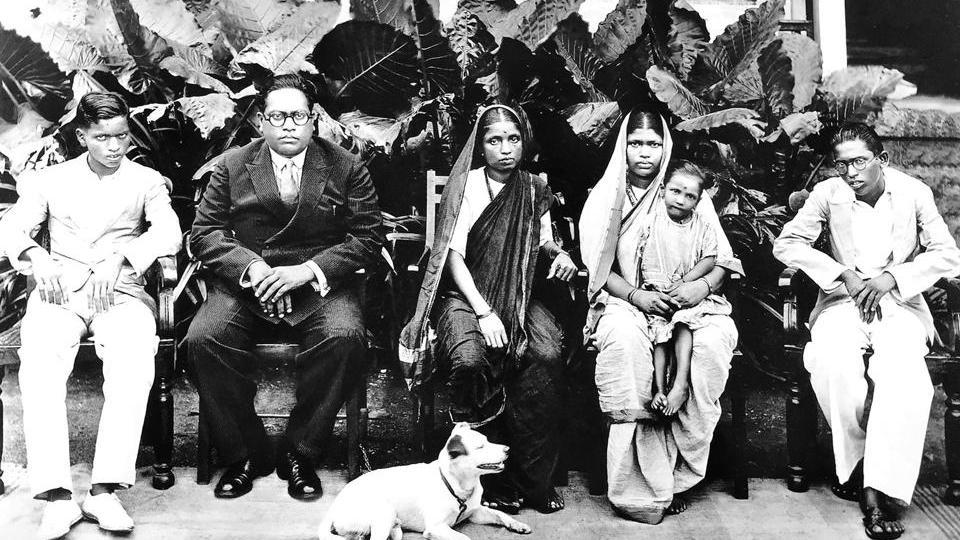
Fondly remembered as Babasaheb by his followers, Ambedkar was born in 1891 in a family of Dalits in Maharashtra where he endured caste-based discrimination right from his school days. Yet he crossed many barriers and, with the help of scholarship, rose to become a lawyer and an educationalist.
He was one of the rare members of the Dalit community who went abroad for higher education in London and the United States. He endured many hardships in foreign lands on account of limited resources, which he mostly spent either to help his family back home or to buy books. Abedkar was a thorough reader and had a huge library at his home in Mumbai.
He also published newsletters and articles to give voice to his community and led peaceful agitations against bans on Dalits in public spaces and from entering Hindu temples. He renounced Hinduism near the end of his life and died as a Buddhist in 1956.
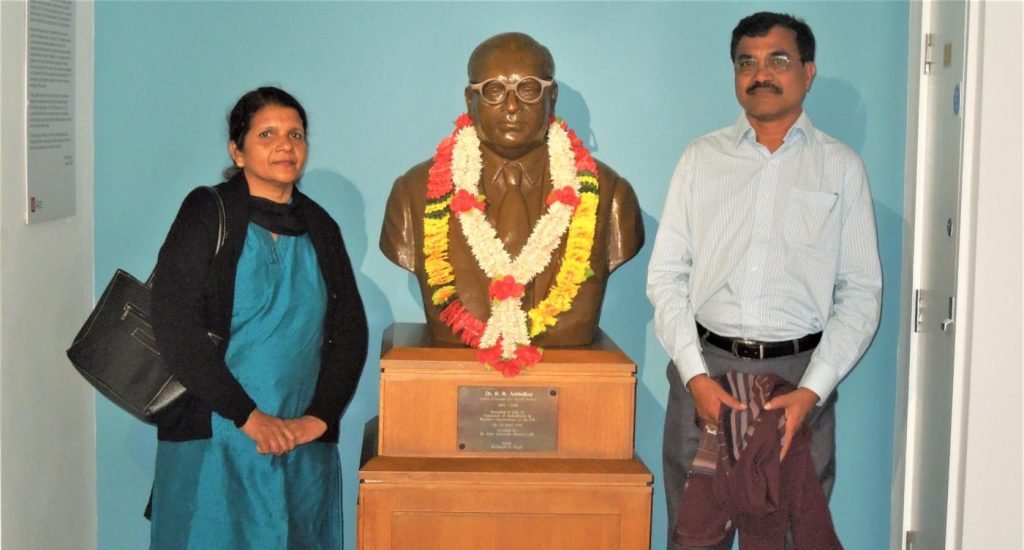
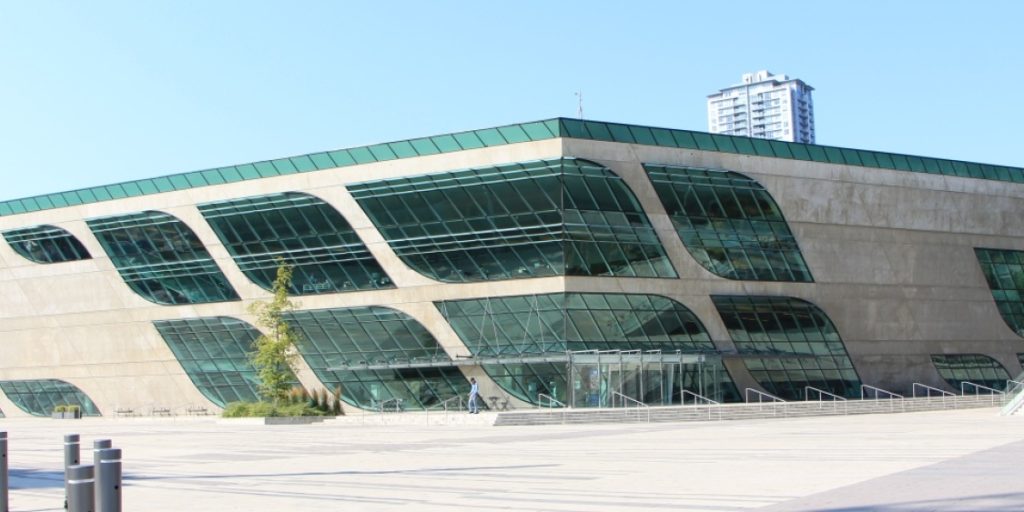
Ambedkar is revered in Canada, too. With the growing strength of Dalits in this part of the world, he has received lots of recognition in Metro Vancouver. For example, there is a public library room named after him in Surrey.

Ambedkar embedded equality in constitution
What is unique about the biography is that while the author, Teltumbde, is a grandson-in-law of Ambedkar, he looks at issues critically. Teltumbde doesn’t shy away from pinpointing flaws and contradictions in Ambedkar while giving him credit where it belongs. He neither puts Ambedkar on a pedestal, nor tries to hide some of the Dalit leader’s previous regressive views on women.
Ambedkar is widely appreciated for giving women equal rights and empowering oppressed communities through the Indian Constitution, which he drafted.
Teltumbde places an emphasis on understanding Ambedkar as a man of flesh and blood with a rich legacy of advocacy for the marginalized, rather than turning him into an icon and discouraging any serious questioning, debate or discussion.
Meanwhile, Teltumbde has been a vocal critic of the ruling Hindu nationalist BJP government in New Delhi. In 2020, he was arrested and thrown behind bars under trumped up charges.
Ironically, the BJP continues to appropriate Ambedkar based on the party’s selective approach toward some of the contradictory views that Teltumbde reveals his book.
Teltumbde’s only crime was that he stood up for the poor and downtrodden, whose rights are being trampled by the Indian state. He was released on bail in 2022 after protests were held for him across the globe, including some in Canada.
Notably, he has dedicated Iconoclast to his wife Rama, who is the granddaughter of Ambedkar. “Rama, my wife, who amazed me by her courage and humbled me by her support during my incarceration”, he writes right at the beginning of the book.
Overcoming a brutal caste system
Rama often spoke to the media on his behalf and had to face many challenges in his absence. I had an opportunity to interview her a few times during his detention. One of the worst situations arose when his brother Milind Teltumbde, a Maoist insurgent, died at the hands of the police in 2021. Anand was denied bereavement leave even though the family had not been in touch with Milind for many years and Anand did not agree with the tactics of his deceased brother.
Since Ambedkar was a book lover who often asked his admirers to educate themselves before getting organized to fight against injustice, it would be a great idea to celebrate this year’s World Book Day (April 23) by picking up a copy of Iconoclast. Read it cover to cover to familiarize yourself with all aspects of this fascinating man, who evolved through firsthand experience in a brutal caste system that refuses to die both within India and in the diaspora.
Interestingly, his birthday on April 14 falls in the same month as World Book Day. In fact, a passage from the book gives a telling story about his addiction to books.
Teltumbde writes that around the time when Ambedkar declared his desire to renounce Hinduism in 1936, a bishop tried to convince him to embrace Christianity. During this meeting, Ambedkar pivoted his eyes to the books in the bishop’s library. Upon realizing this, the bishop offered that he could take as many as he wanted.
Ambedkar took 25 or 30 books. And he did not return them several months later when the bishop wanted them back. When the bishop then angrily went to his home to ask for them, Ambedkar pulled out some 10 to 12 books. Then he told the bishop to search for the rest of them.
The bishop commented, “Ambedkar must have built his vast collection of books with others’ books.”
Lifting books from libraries
“Indeed, Ambedkar used to say with pride during 1923-29 how he used to steal books from libraries. He said he did not have money to buy books and he adopted the ‘buy, borrow or steal’ principle to collect books,” Teltumbde writes.
“He would stuff them in the pockets of his coat and leave the libraries,” the author continues. “He convinced himself that his theft of books was not a sin as he would make the best use of them to spread knowledge among his illiterate people.”
Reading up on Ambedkar has become even more relevant today in the light of growing state repression, especially against Dalits in India and vicious attacks on his ideas by the so-called upper-caste fundamentalists. Lately, a section of Sikh separatists in North America have accused him of “bracketing” Sikhs with Hindus in the constitution, which he himself denounced alongside with renouncing Hinduism.
In fact, Ambedkar had forewarned much earlier about the devastation that the Hindu Right can bring to society.
Gurpreet Singh is a B.C. author and co-founder of Radical Desi. Follow him on Bluesky @gurpreetradical.bsky.social. Follow Pancouver on X @PancouverMedia, Bluesky @pancouver.bsky.social, and Instagram @PancouverMedia.