Asian Heritage Month is nice, but let’s get real. Vancouver is a Pacific-facing city that is very Asian in its heritage, composition, and identity. Yet this isn’t adequately reflected in our institutions, including the media, legislature, city councils, and especially in the senior bureaucracy.
To be frank, I’m uncomfortable with creating a one-month silo of Asian cultural stories, which is one of the reasons why we launched Pancouver. Let’s do it all year around so kids with Asian ancestry can see themselves reflected back through the media and learn about role models to emulate in the arts and cultural fields.
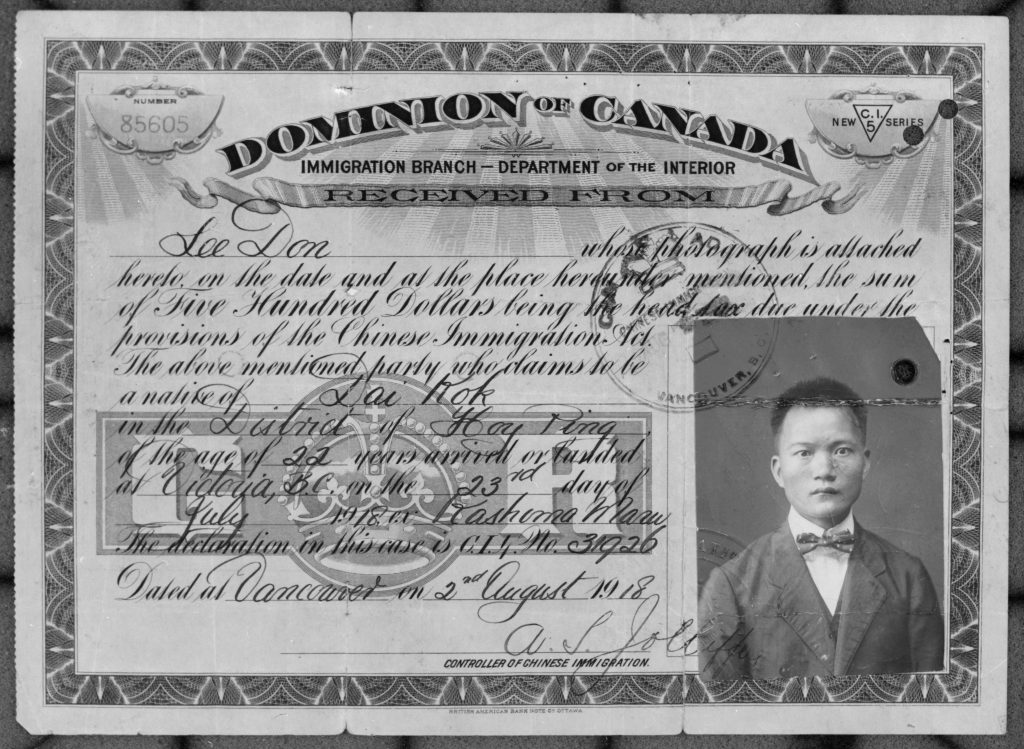
Here’s another thing to consider. We need to recognize that Asian languages—like Cantonese, Mandarin, and Punjabi—are Canadian languages. Cantonese and Punjabi have been spoken here since the 19th century. Korean, Vietnamese, and Farsi are also common languages in some urban areas of Canada. Yet we never hear any of them spoken in any ceremonial way at federal cabinet swearing-in events or in legislatures and Parliament. That’s because we’re trapped in this mindset of Canada being a bilingual country, which is only now finally beginning to make room for Indigenous heritage languages.
In reality, Cantonese and Punjabi have been part of the fabric of Canada since well before the First World War. Meanwhile, Mandarin is widely spoken in urban communities. Once we start embracing our multilingual national identity—which encompasses everything from Romanian to Spanish to Hindi to Tagalog and Ilocano and Cebuano—we will acknowledge our collective Asian identity more fully. This just might make us more resilient, as a country, to the negative trade winds coming from south of the 49th parallel as we look to Asia as an alternative.
Asian identity yields dividends
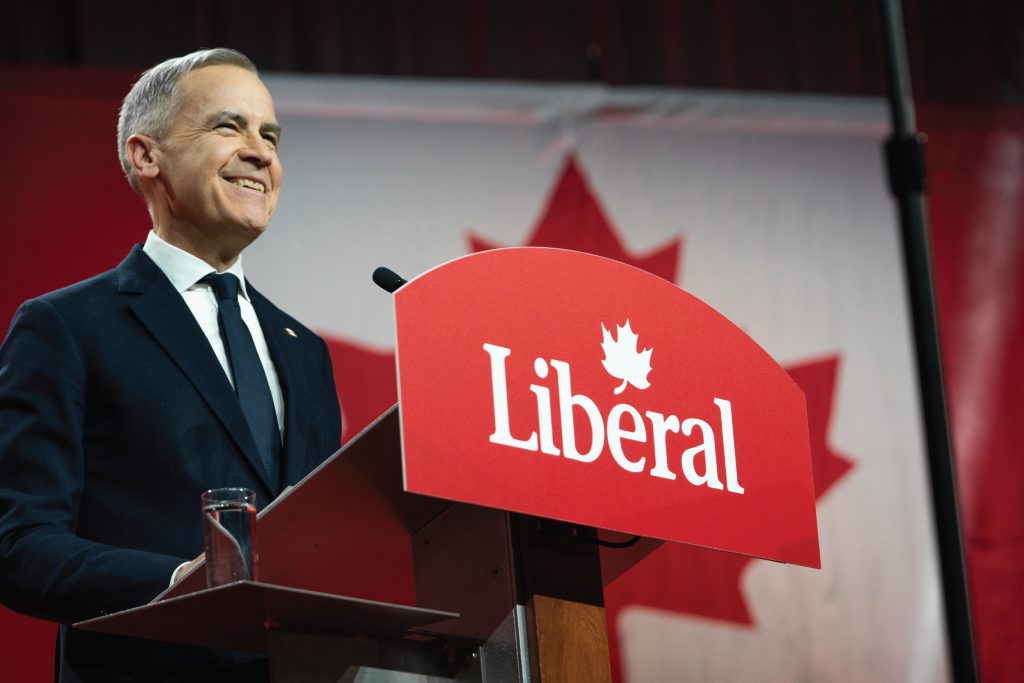
Prime Minister Mark Carney pays a great deal of attention to Europe, which reflects his personal history. His first two international visits were to France and Britain, which gave us our two “official” languages. But he really needs to focus more attention on Asia for Canada to thrive economically.
Yet this is more than just a dollars-and-cents proposition. Canada’s Asian identity culturally enriches us and imbues the nation with certain values that aren’t rooted in Europe. Former B.C. cabinet minister Katrina Chen recently wrote about some of those values on the Pancouver website as the president of AnXin Community Savings Credit Union.
In a Jungian sense, there is a collective national shadow of denial about Canada’s Asian identity, which is an important aspect of the country’s identity. To carry the Jungian analogy one step further, it’s time for Canada to individuate. This is a fancy way of saying that we need to integrate the conscious and unconscious aspects of our national psyche to become whole.
To quote the Swiss psychologist Carl Jung: “The aim of individuation is nothing less than to divest the self of the false wrappings of the persona on the one hand and the suggestive power of primordial images on the other.”