
Pancouver primarily focuses on underrepresented artists. However, it also publishes a column by David Suzuki to advance education about critical issues, including extinction crisis facing many animals, including some referred to as “common”.
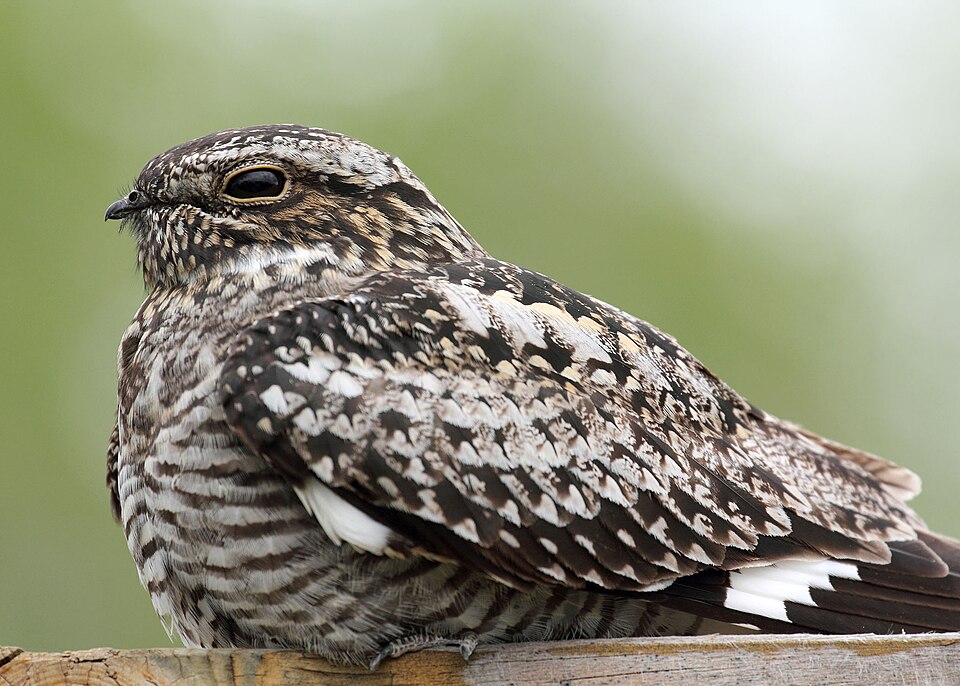
What do the common nighthawk and the common hoptree have in common? They’re both assessed as being at risk of extinction under Canada’s Species at Risk Act.
At-risk animals have been in the news lately. For example, concerns have been raised about the impacts of increased tanker traffic on the ability of the remaining 75 southern resident orcas off the British Columba coast to survive. Attention to these species is warranted, but human activities don’t just affect at-risk species. They also affect “common” species.
These are the ones we often see in daily life, such as Canada geese and raccoons. Humans have a habit of labelling things “common” if they’re perceived to be widespread or abundant. How does a name influence our perceptions of commonality, and are we noticing their declines?
Common loons, common terns, and the common shiner all live in Canada and have “common” as part of their name. But how many “common” animals are actually in decline? Canada’s Species at Risk list contains three: the common nighthawk, common hoptree, and common five-lined skink. Other species, such as the common poorwill, are listed as “data deficient”, meaning they can’t be designated as their status is unknown.
Common birds decline faster than rarer bird species
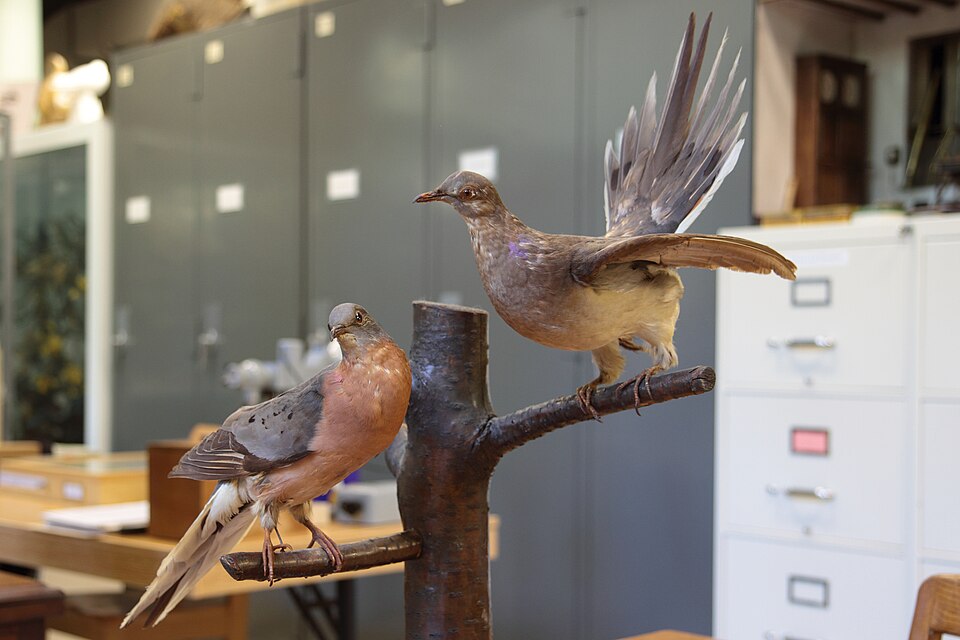
Many classic cases illustrate that some animals that were once abundant and widespread are now either extinct or have seen their ranges substantially shrink. The passenger pigeon, once the most plentiful bird in North America, is often used as a cautionary tale of a species that once filled the sky and took hours, even days, to pass over a single spot. Now they’re extinct. They were hunted out of existence, exploited due to the belief that no amount of population pressure could endanger them.
Research also points to the reality of shifting baseline syndrome—in which accepted norms for natural environmental conditions decline with each generation. It’s important to learn from history about our perceptions of commonality and whether there are risks associated with being called “common” or being perceived as such. I can recall car trips from my youth, seeing numerous dead animals—raccoons, snakes, and skunks—along the road, which can indicate abundance. This no longer seems to be the case.
Unfortunately, we haven’t learned the lessons from cautionary tales such as that of the passenger pigeon. A research paper published last year found that common birds are declining faster than rarer bird species, with habitat loss largely to blame. The study looked at six decades of data on 244 North American bird species and found that abundant species experienced the steepest drop.
The study’s authors argue that conservation efforts should place stronger emphasis on the quantity of common species as a central ecological indicator. It’s also worth noting that it’s difficult to undertake the level of analysis in this study for other taxonomic groups. This is because there is a relative lack of data for most other species compared with birds—thanks largely to dedicated birdwatchers over generations. However, if we’re seeing this kind of broad trend of decline for birds, it raises the question of what other animals are declining that we simply aren’t tracking or have insufficient data to analyze.
Canada takes stock of species every five years
Ensuring the continued presence of common species isn’t just about keeping them off the Species at Risk list (most at-risk species were once common too); it’s also a means of recognizing the ecological roles that they fulfill. In his article “Valuing Common Species,” biologist Kevin J. Gaston notes, “the state of being very common is actually very rare—but [common species] contribute much of the structure, biomass, and energy turnover of the majority of terrestrial and marine systems.”
Canada takes stock of species every five years. The last report, “Wild Species 2020: The General Status of Species in Canada”, was released in 2022. It assessed over 50,000 species, the majority of which, where information was known, were categorized as “secure” or “apparently secure”. However, there is a need to develop better monitoring programs that can detect changes in the population trajectories of common species and help identify the reasons for changes over time and space. This kind of information underpins the at-risk species assessments and can inform management decisions and interventions.
Just because an animal is common doesn’t mean we needn’t be concerned about it.
David Suzuki is a scientist, broadcaster, author, and co-founder of the David Suzuki Foundation. Written with David Suzuki Foundation nature director Erin Roger. Learn more at davidsuzuki.org.
Follow Pancouver on Instagram @PancouverMedia, on X @PancouverMedia, and on Bluesky @pancouver.bsky.social.




