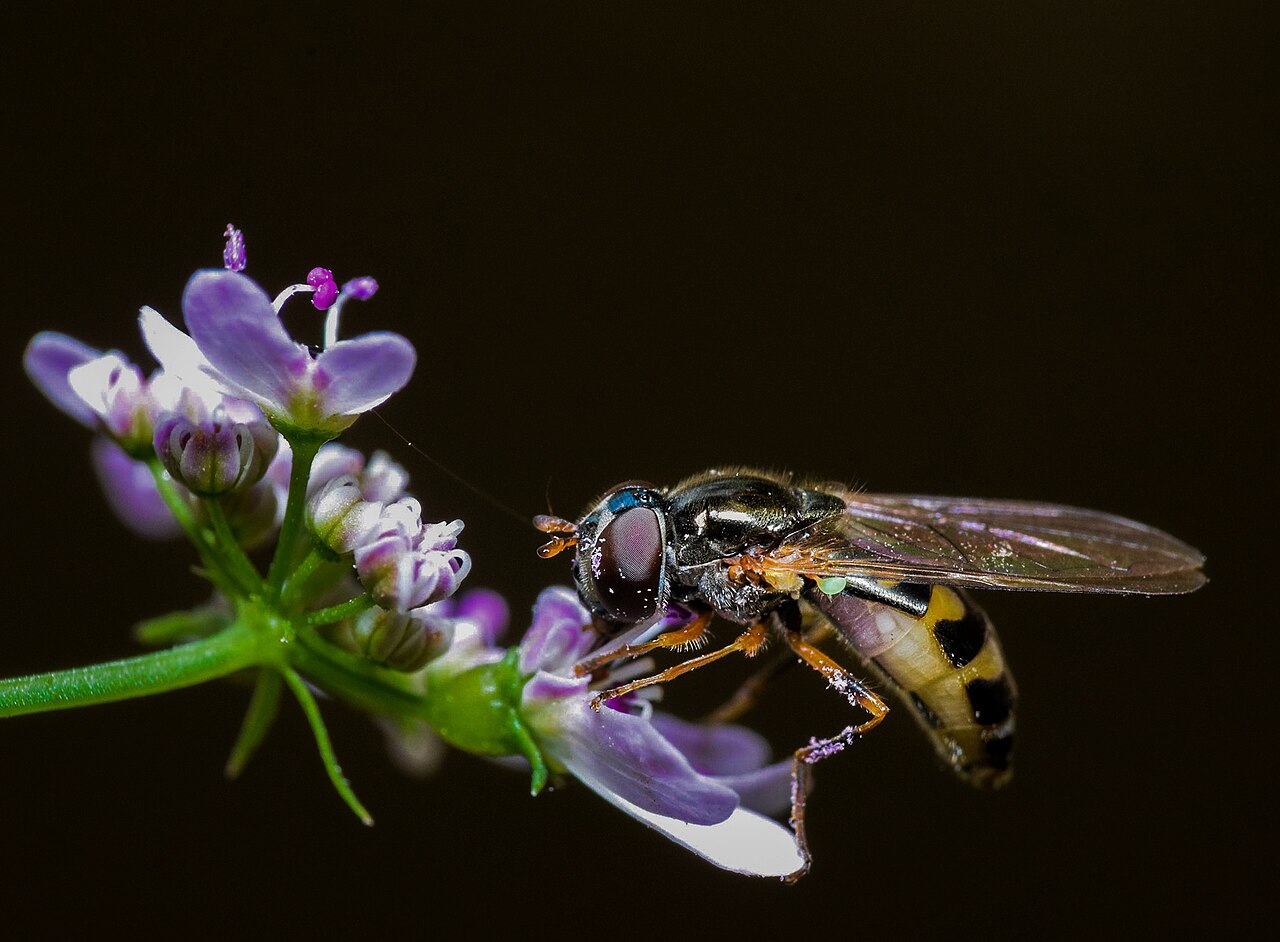
David Suzuki: Birds and insects are disappearing. That should worry us all
Every terrestrial ecosystem would collapse without insects and countless species would go extinct.

Every terrestrial ecosystem would collapse without insects and countless species would go extinct.

It may seem difficult—especially after ignoring scientific warnings—but we can shift rapidly from fossil fuels to renewable energy.

The world can provide enough for everyone, but too many greedy people are destroying life-support systems to accumulate money and power.
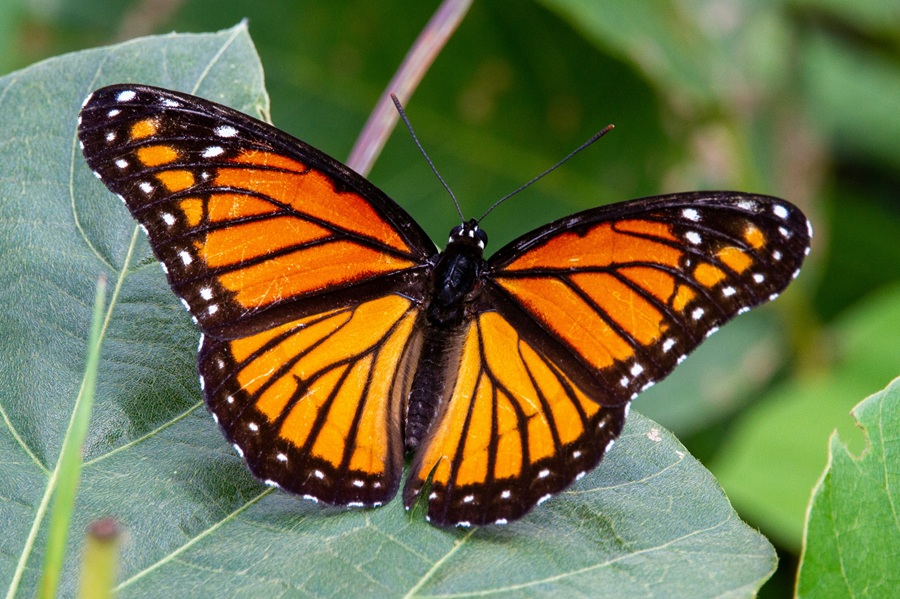
For anyone looking for a hopeful, practical response to today’s environmental challenges, the invitation is simple: start where you live.
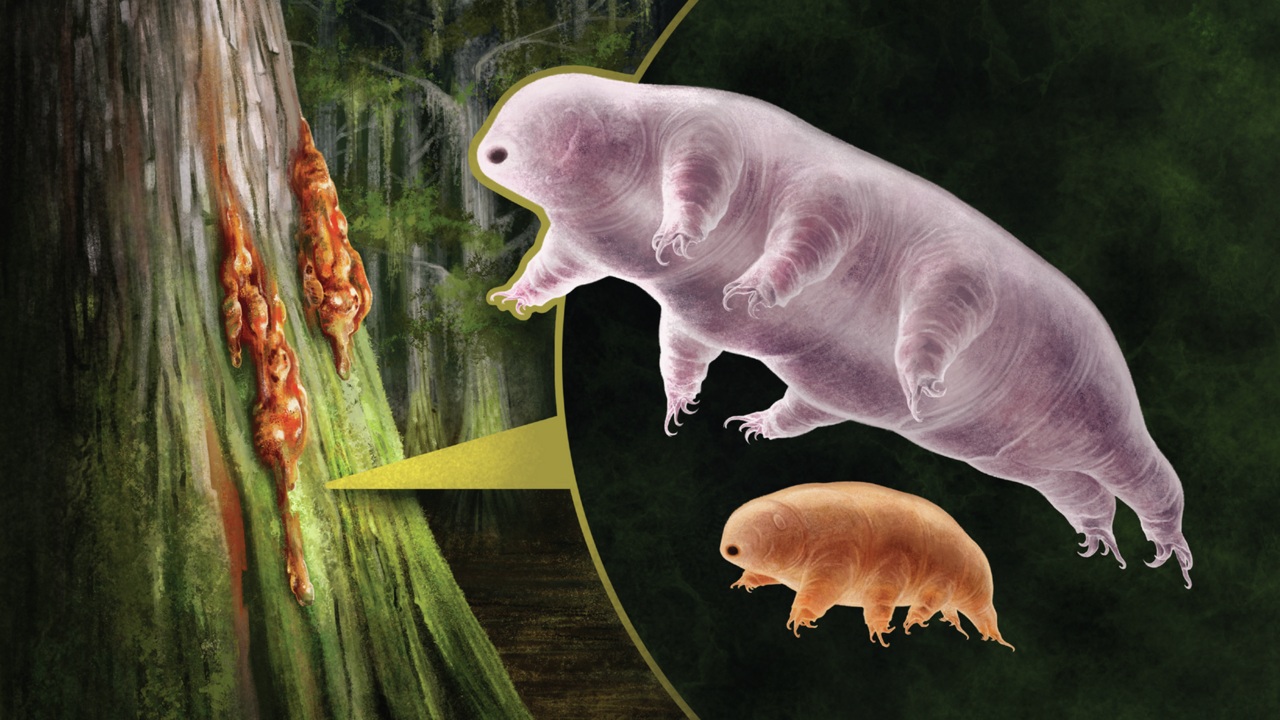
Solutions to our growing water woes aren’t much different than the remedies for many other pollution- and climate-related problems.
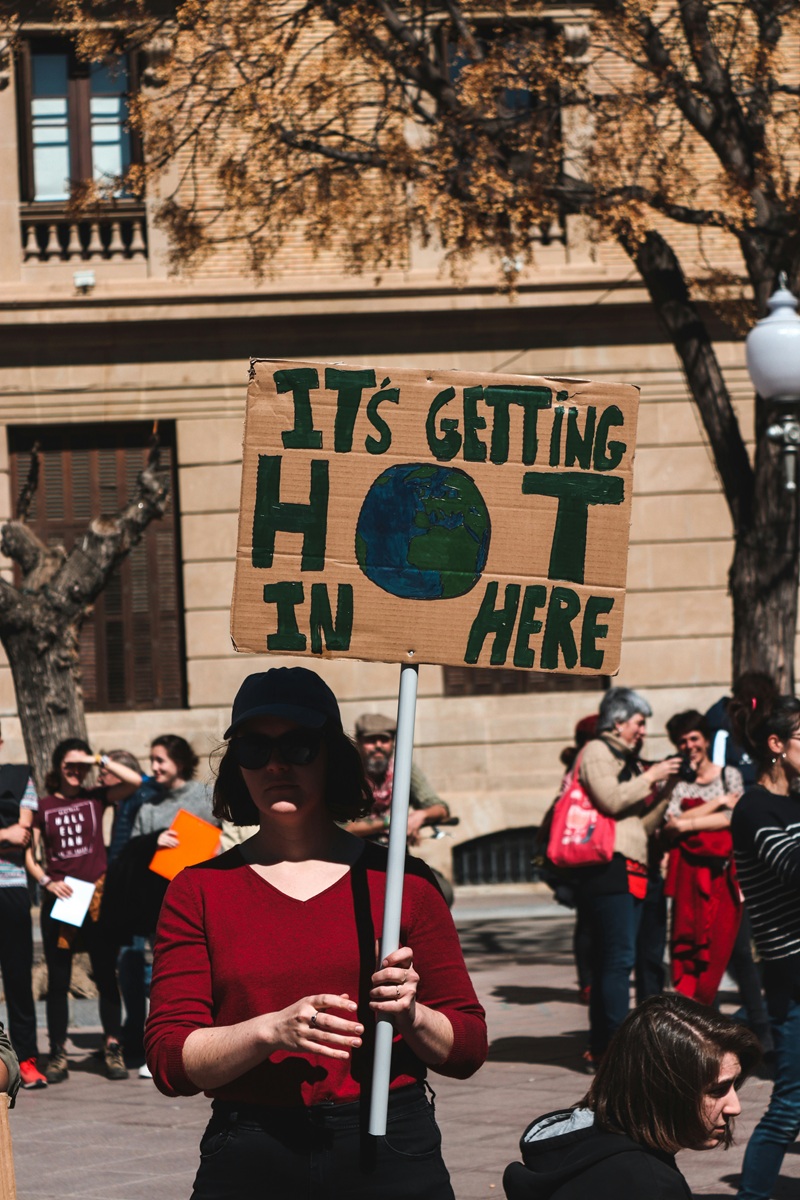
According to these scientists, the planet could heat by as much as 3 C over pre-industrial levels by 2050.

As we move into the new year, we need more ruptures in mainstream thinking. It’s the cracks that let the light in.

By every measure, shifting from fossil fuels to electrification, renewable energy, and conservation is far more beneficial to most people.
People in the U.S. and worldwide are rightly dismayed by the boat killings, but the bigger picture is more disturbing.

COP30 shows the failure of our governance and economic systems to confront the greatest threat humanity has ever faced.

