David Suzuki: Do these politicians understand carbon?
Most carbon is stored in rocks, oceans, the atmosphere, plants, soil. and fossil fuels, but not all elected officials realize this.

Most carbon is stored in rocks, oceans, the atmosphere, plants, soil. and fossil fuels, but not all elected officials realize this.

Canada’s most famous environmentalist declares that he’s not giving following an election that will return Donald Trump to the White House.
For too long we’ve clung to the Western concept of nature as something outside cities—far away and disconnected from most people’s lives.

Reporting on military emissions is voluntary. Thus, the public has a poor understanding of the relationship between war and global heating.
International progress in reversing the loss of biodiversity will be reviewed at COP16 in Colombia later this month.

According to one study, “green prescriptions”—which include spending time in nature—are a cost-effective measure in addressing anxiety.
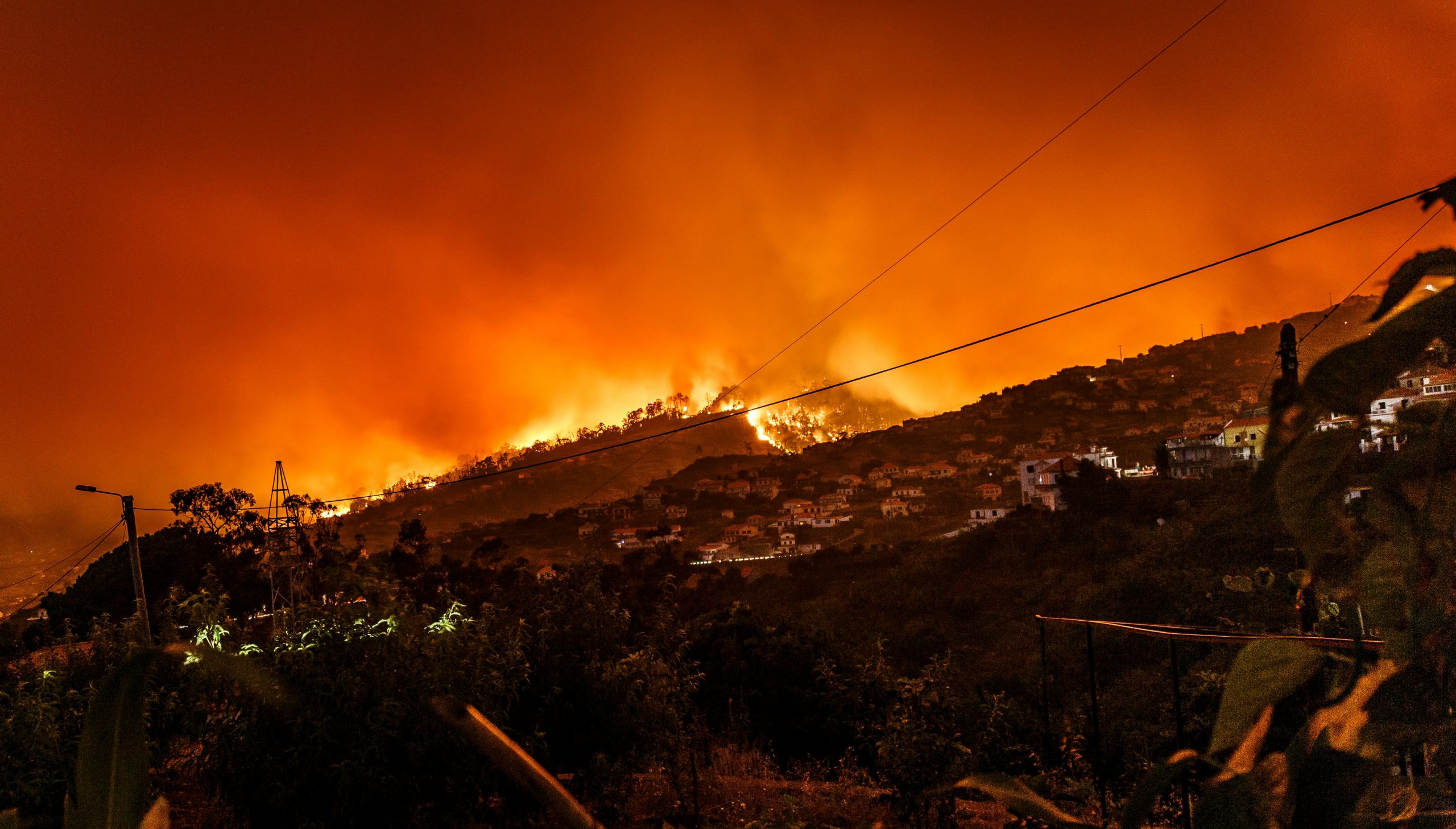
It’s important to find better ways to protect communities in the face of wildfires, especially as housing encroaches on forested areas.

Despite destructive logging and fishing practices, the Great Bear Sea supports a diversity of life in all shapes, colours, and sizes.
Promoting fossil fuels—especially using false or misleading information—will only make matters worse in a climate crisis.

Canada’s best-known environmentalist says that resolving the climate crisis presents a tremendous economic opportunity.

