Pancouver primarily focuses on underrepresented artists. However, it also publishes a column by David Suzuki to advance education about critical issues, including this one about wildfires. Without a habitable Earth, there will be no arts and culture.
Last summer, during a record-breaking wildfire season, a podcast host asked Alberta Premier Danielle Smith about the connection between fires and climate change and her government’s opposition to federal climate policies. “I think you’re watching, as I am, the number of stories about arson,” she said. “I’m very concerned that there are arsonists.”
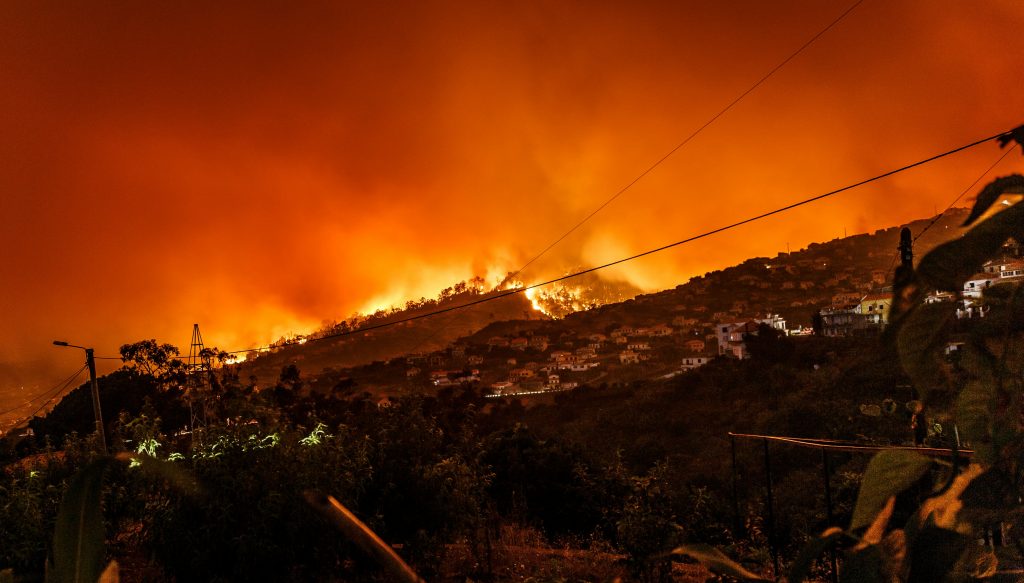
She’s not alone in blaming arson, lightning or forestry policies for increasingly intense wildfires and lengthening wildfire seasons. Those are factors, but not the point. Whether fires are ignited by arson, lightning or accident, human-caused global heating is making them more likely and more furious. (Although arson and accidents do cause fires, most are sparked by lightning.)
With the impacts of climate-related wildfires mounting every year, it’s up to our political leaders, especially, to take a realistic look at causes and solutions. Sadness is a normal reaction to wildfire devastation, but tears won’t put out the fires that have forced people from their homes and communities, destroyed entire towns, polluted air over vast areas, caused health problems and deaths and sent wildlife fleeing if they’re lucky enough to escape. Add to that rising insurance rates or even the inability to insure homes in high-risk areas.
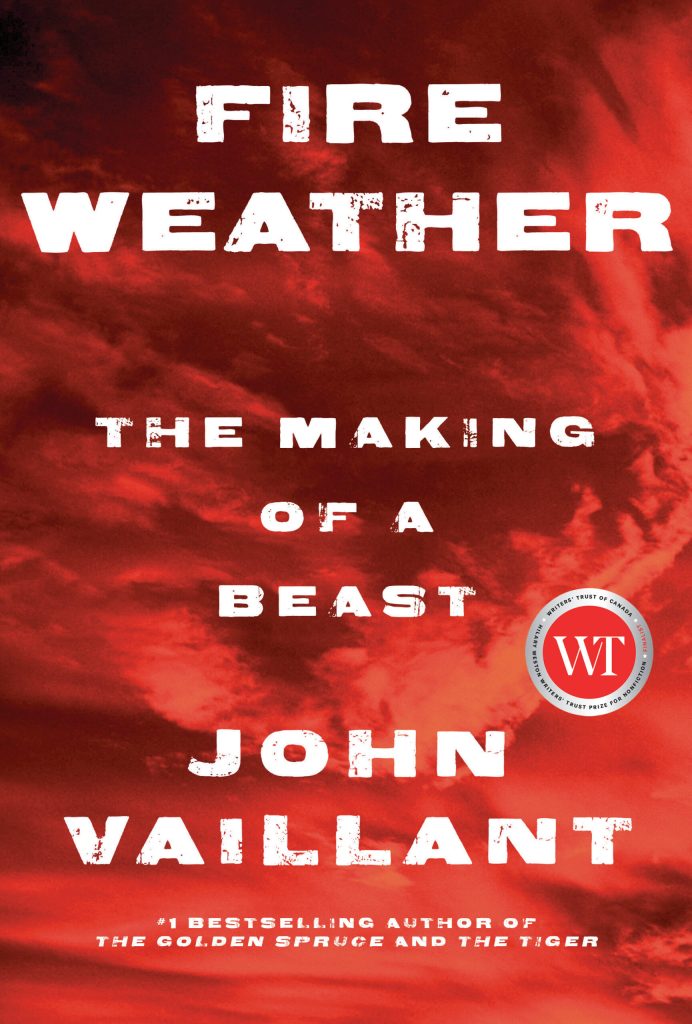
Author explains effects of wildfires
In Fire Weather: The Making of a Beast, about the tragic 2016 wildfire that devasted Fort McMurray in the heart of Alberta’s oilsands, writer John Vaillant details how vehicles and homes vaporized (in part because many were built using petroleum-based products, such as vinyl siding) and 88,000 people had to flee their homes in one afternoon.
Hotter, drier weather for longer periods increases the likelihood of fires and their ability to spread rapidly. Global heating is also causing more lightning strikes. On top of that, insects such as pine beetles that were once kept in check by colder winters have been thriving and killing massive numbers of trees, which dry out and further exacerbate fire risk. Consider how easy it is to start a campfire with dry kindling and wood compared to even slightly damp wood.
Burning coal, oil and gas is pushing the planet to heat at unprecedented rates, which creates the conditions for increasingly severe wildfires. We’re now experiencing wildfire seasons that start earlier and end later, and fires that are more difficult to contain. Some are even smouldering throughout winter. The Canadian Climate Institute points out that during 2023, fires here consumed “16.5 million hectares—more than double the previous record and nearly seven times more than the historical average.”
Of course, forest management practices play a role. Undergrowth and debris such as fallen branches, stumps and leaves that build up in a forest through lack of attention, logging or suppression of small fires can raise the risk of larger wildfires. Controlled or prescribed burning, in part based on Indigenous “cultural burning” practices, is gaining greater recognition as a way to prevent out-of-control wildfires.

Wildfires intensify climate feedback loops
Controlled burning occurs during low-risk conditions and times to clear out some debris and undergrowth. This can include “broadcast” burning (across a tract of forested area) or “pile” burning (stacking debris and vegetation and burning piles individually).
Finding more and better ways to protect homes and communities in the face of increasing wildfires, especially as housing continues to encroach on forested areas, is also important—something the Alberta government ignored when, shortly after being elected in 2019, it shut down 26 active fire towers across the province, ended funding for the firefighting Rappel Attack Program and later made further cuts to wildfire personnel and programs.
Increases in number, duration and intensity of wildfires also cause climate change feedback loops. Trees store carbon, which is why forests are known as “carbon sinks,” providing a hedge against climate change. When trees burn, carbon is released into the atmosphere, creating even more global heating.
Because we’ve already released so many greenhouse gases such as carbon dioxide into the atmosphere, we’ll be facing escalating wildfires for years to come. We can reduce future risk by shifting from polluting fossil fuels to cleaner energy and protecting green spaces, but good forest management is also necessary.
The world is on fire, but solutions are available. With the cost to human health and life, infrastructure and wildlife rising every year, we need to use every tool we have. It’s past time to face reality.
David Suzuki is a scientist, broadcaster, author and co-founder of the David Suzuki Foundation. Written with David Suzuki Foundation senior writer and editor Ian Hanington. Learn more at davidsuzuki.org.