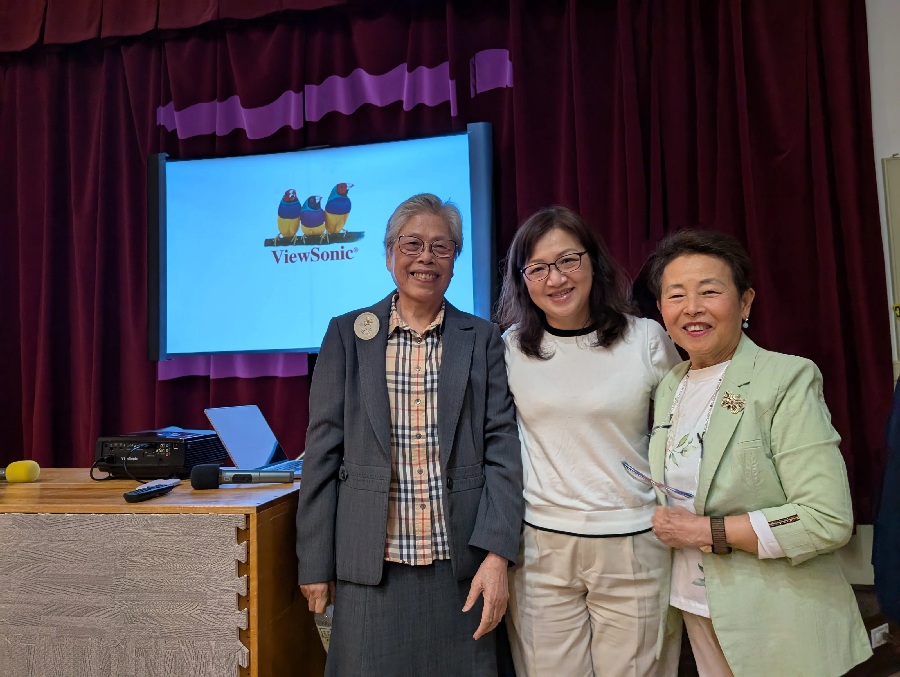
台灣博物館館長揭示:英國長老教會宣教師如何將現代醫療帶入台灣
來自台灣的博物館館長近日於 Kerrisdale Presbyterian Church 發表演講,並引用知名藝術史學家 Peter Vergo 的觀點,說明博物館存在的真正價值。

來自台灣的博物館館長近日於 Kerrisdale Presbyterian Church 發表演講,並引用知名藝術史學家 Peter Vergo 的觀點,說明博物館存在的真正價值。

台灣民謠音樂人阿達 (A-Tat) 非常熱衷於保存家鄉的本土語言。在接受 Pancouver 專訪時,這位 「農村武裝青年」樂團的主唱兼吉他手指出,台灣的閩南語、客家語與原住民族語在不同時期都曾被禁止使用,包括 1895 年至 1945 年的日治時期。二戰結束後,國民黨政權於戒嚴時期 (1949–1987) 強制推行國語(華語)政策,禁止政府機關與公共教育部門使用台灣閩南語和客家語等母語。
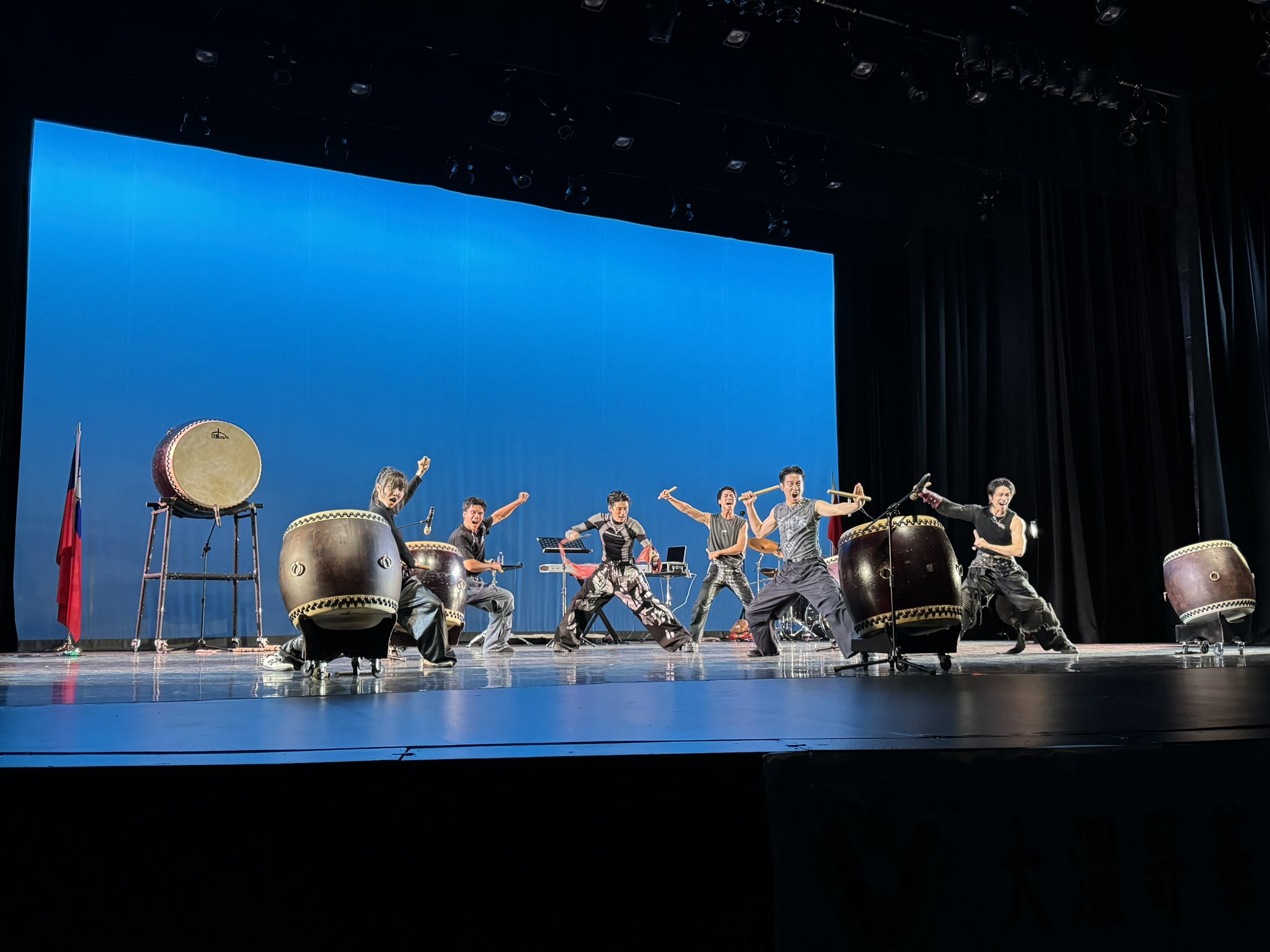
5月27日(星期二)晚間,在列治文的 Gateway 劇院彷彿一票看了兩個團體的演出。由大溫哥華臺灣僑界聯合會主辦,Ten Drum Art Percussion Group 十鼓擊樂團作為「台灣躍動」巡演的一部分登台演出。到了節目中段,這支戲劇張力十足的打擊樂團——成員中還包括極具才華的嗩吶、木琴與笛子演奏者——華麗變身為六人編制的硬式搖滾樂團。

多元創作者 Van Lefan 樂凡在第二張完整專輯中,汲取了她在諮商心理學系的學習經驗。身為學生的她,深刻體會到寫作在面對創傷與悲傷時的療癒力量。

台灣漫畫家、圖像小說家阮光民 (Ruan Guang-min) 的作品中,從不見超級英雄擊敗邪惡勢力的畫面。他更喜歡透過筆下角色,刻畫台灣庶民的心境、情感與價值觀。
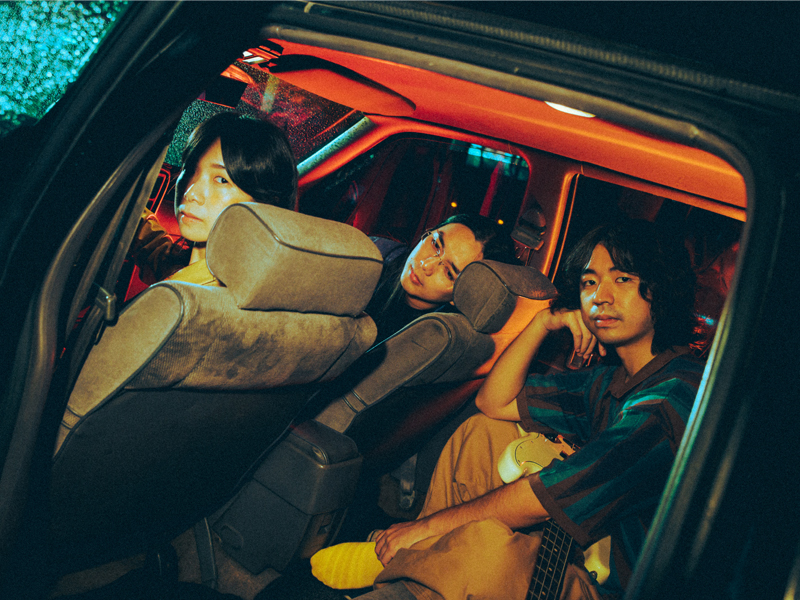
但對於台灣的音樂愛好者來說,「Lilium」一詞有著完全不同的意義,在這個島國,「Lilium」(百合花樂團)是一支有高度原創性的獨立搖滾樂團,將多種音樂流派融入其巧妙的歌曲中,其中包括傳統台灣音樂,如南管和北管,它們與節奏感強勁的吉他,貝斯及鼓組互相映襯。

西格蒙德·弗洛伊德最著名的案例研究涉及一位被他稱為朵拉的 18 歲女孩,身為精神分析學創立者的他診斷她患有「歇斯底里症」(hysteria)。此外,透過夢境分析,佛洛伊德得出結論,她的病情是由被壓抑的同性戀傾向而引發,她對曾向她求婚的一位世交的妻子產生了愛慕。

台灣導演兼藝術家許家維的2024年作品《在聖堂裡的一場演出》以北台灣和平島的考古挖掘現場為電影開場。考古學家在停車場下小心翼翼地將人骨上的泥塊刷掉。

在蔡英文當選台灣首位女總統的那一刻,美國電影製作人葛靜文 (Vanessa Hope) 知道自己正在見證歷史。2016年,蔡英文競選總部勝選之夜,一幅大型電子看板用英文打出三個大字——“We Are Taiwanese.(我們是台灣人。)”

一開始,黃文英的電影《車頂上的玄天上帝》看似是關於一位現代台灣女性在忙碌的職業生涯和照顧生病父親之間的掙扎。然而,這部史詩般的作品劇情不僅止於此。故事的中心人物芙月正在尋找精神上的寄託,凸顯了道教在台灣的持久影響。此外,深富想像力的對話展示了隨著性別平等程度的增加,人際關係性質上的變化。導演也小心翼翼地涉足台灣歷史的變幻莫測之海,卻沒有與潛藏在海浪下的大怪物正面接觸。

