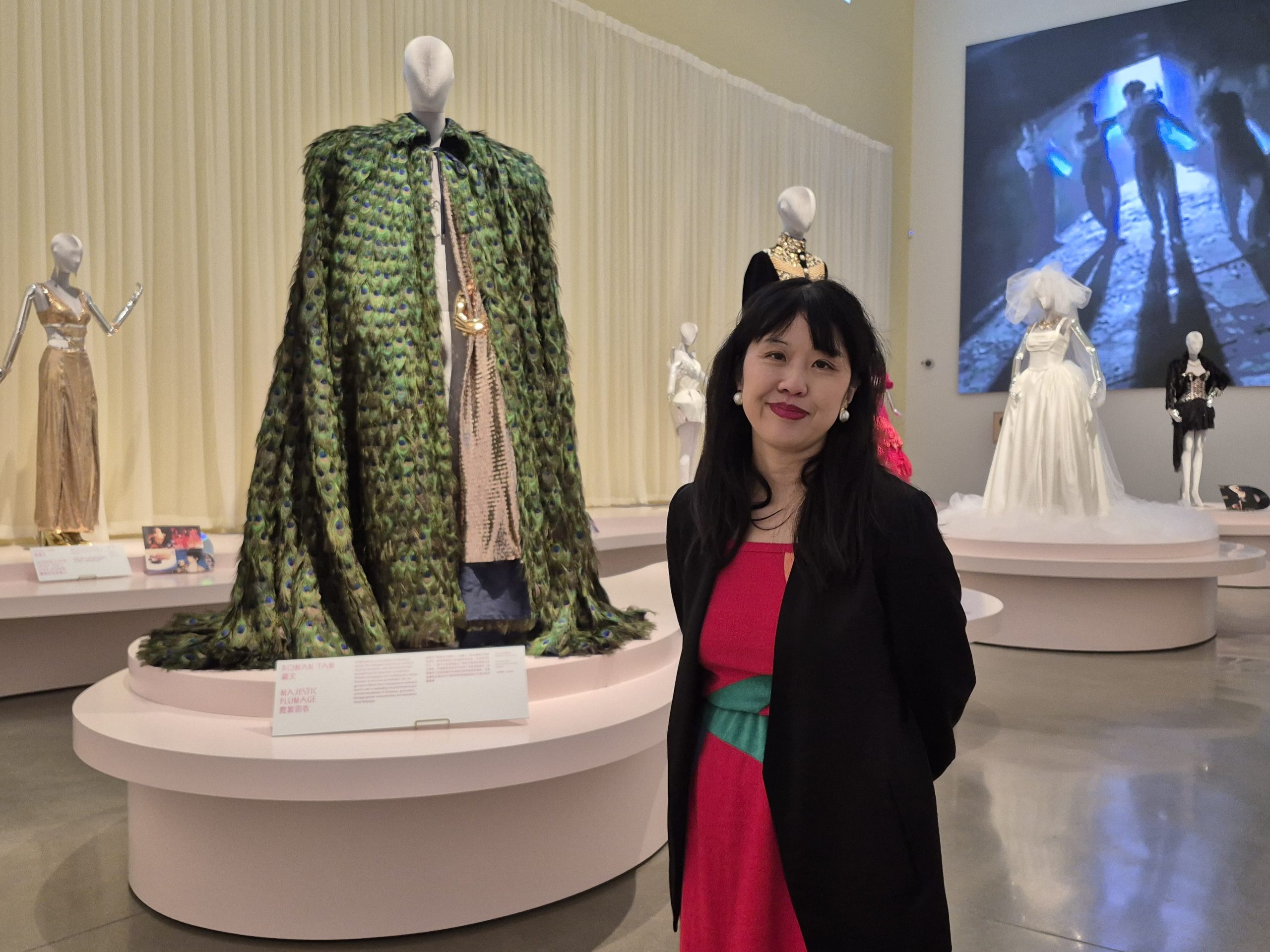
华裔博物馆的「梦工厂」(Dream Factory)展览揭示了温哥华在粤语流行乐传奇历史中所扮演的角色
李博士将华裔博物馆的大型新展览描述为「一场对声乐,曲风和华侨创造力的颂扬」。此外,她还补充,「梦工厂:粤语流行乐80 年代至 2000 年」讲述了一个长期被忽视关于温哥华的故事。

李博士将华裔博物馆的大型新展览描述为「一场对声乐,曲风和华侨创造力的颂扬」。此外,她还补充,「梦工厂:粤语流行乐80 年代至 2000 年」讲述了一个长期被忽视关于温哥华的故事。

The Society of We Are Canadians Too created Pancouver to foster greater appreciation for underrepresented artistic communities. A rising tide of understanding lifts all of us.
This project is funded in part by the Government of Canada.
We would like to acknowledge that we are gathered on the traditional and unceded territories of the Coast Salish peoples of the xʷməθkwəy̓əm (Musqueam Indian Band), Skwxwú7mesh (Squamish Nation), and Səl̓ílwətaɬ (Tsleil-Waututh Nation). With this acknowledgement, we thank the Indigenous peoples who still live on and care for this land.
This project is funded in part by the Government of Canada.
The Society of We Are Canadians Too created Pancouver to foster greater appreciation for underrepresented artistic communities. A rising tide of understanding lifts all of us.
We would like to acknowledge that we are gathered on the traditional and unceded territories of the Coast Salish peoples of the xʷməθkwəy̓əm (Musqueam), Skwxwú7mesh (Squamish), and Səl̓ílwətaɬ (Tsleil-Waututh) Nations. With this acknowledgement, we thank the Indigenous peoples who still live on and care for this land.
Independent arts journalism needs readers like you!
If you value stories like this, please consider supporting Pancouver.