Tag: 台灣文化節

Hakka

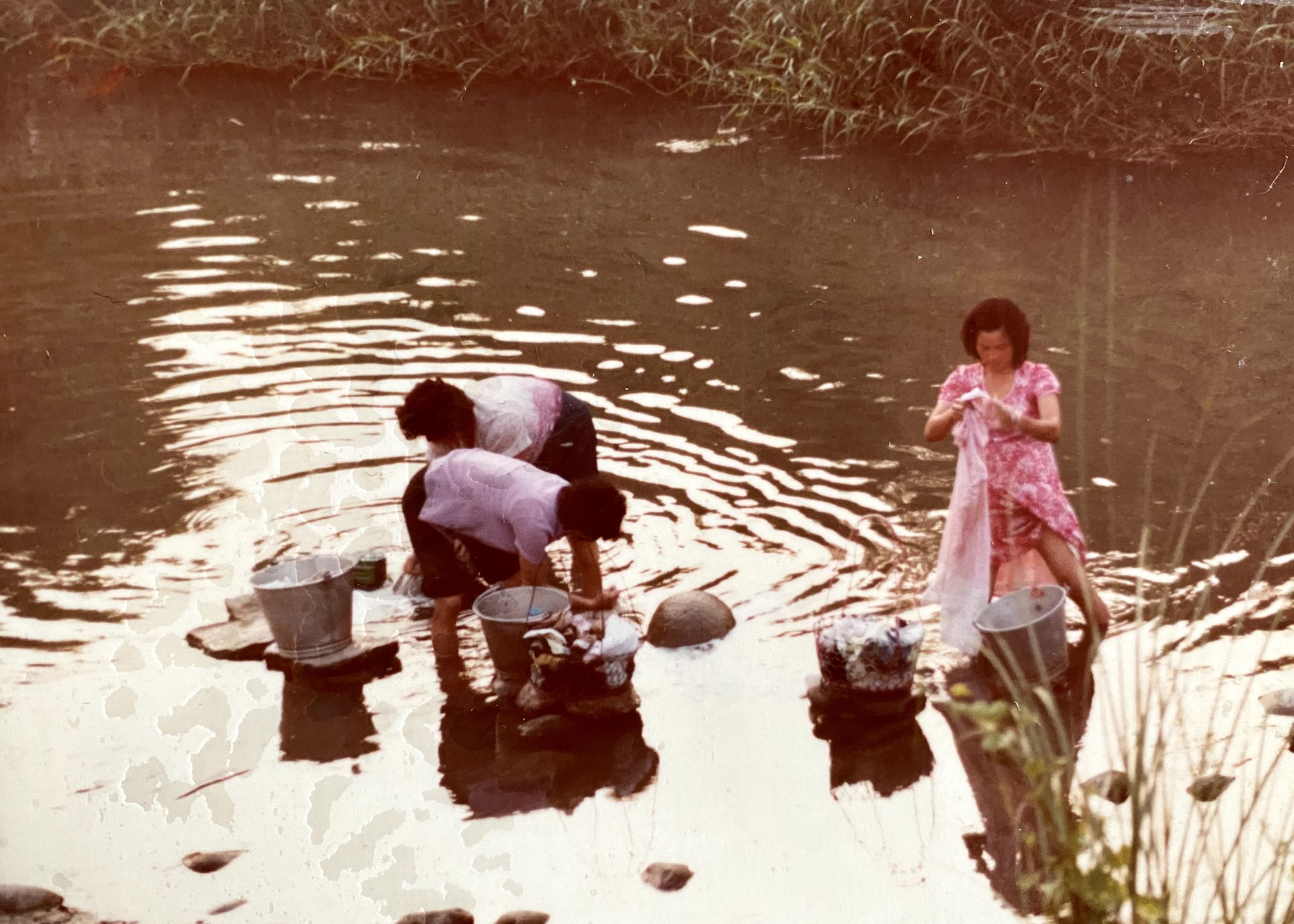
解開「台灣客家女性」的印象建構

在傳統論述中的客家社會,家家戶戶中的女性是勞動工具的代名詞:勤勞樸實、刻苦耐勞、勤儉持家或是大英百科全書中強調客家婦女是精力充沛的勞動者。國外歷史學者說客家女性勤勞得像是母牛,或者說像是牛奶上面的起士:「客家婦女對她們的丈夫是非常尊敬及順從的。」

Flower Lilium

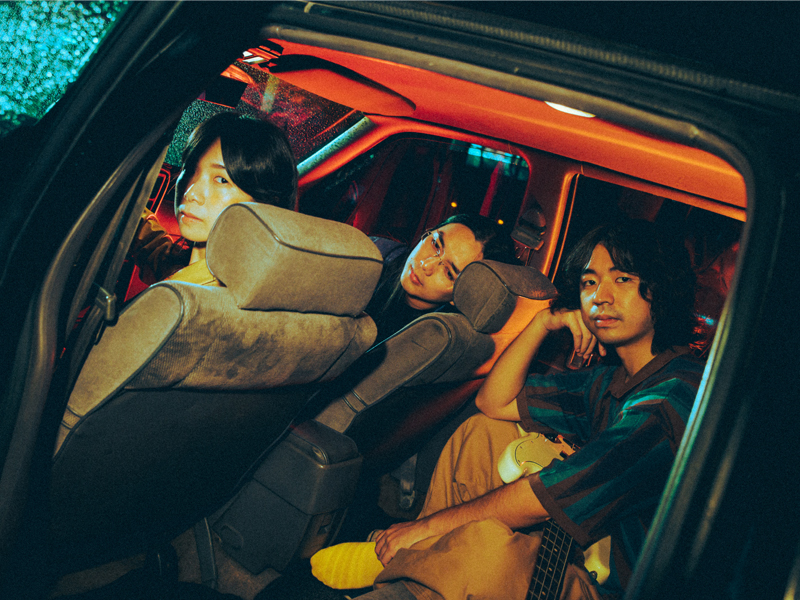
百合花樂團(Lilium) 將台語歌詞和台灣傳統樂器與獨立搖滾相結合,打破了亞洲流行樂概念

但對於台灣的音樂愛好者來說,「Lilium」一詞有著完全不同的意義,在這個島國,「Lilium」(百合花樂團)是一支有高度原創性的獨立搖滾樂團,將多種音樂流派融入其巧妙的歌曲中,其中包括傳統台灣音樂,如南管和北管,它們與節奏感強勁的吉他,貝斯及鼓組互相映襯。

Thi Tuyệt Nguyễn

工藝師阮雪透過傳統越南捲紙藝術表現跨越文化之連接

移民們常會說移居到新國家會改變他們,這種變化可能會慢慢的在他們適應新家園的幾年內逐漸發生。對於出生於越南的捲紙藝術家阮雪來說,她不斷地將當地元素和主題融入進她多彩多姿的作品中,反映了她移居台灣15年來的轉變。

Chienhua

纏花藝術家陳惠美展現了台灣族群豐富多樣的傳統及文化

陳惠美運用她作為一名纏花工藝師的巧手,為新人們創造了幸福的回憶。此外,她精心設計的作品反映了她的故鄉-台灣不同族群的傳統和文化,體現了這個島嶼的豐富面貌。在北京話口譯Ann Fu的幫助下,陳惠美向Pancouver談到了她的藝術形式-纏花,是一種結合了剪紙、纏繞及刺繡技巧的工藝藝術。在訪談中,她指著各種反映客家纏花、閩南纏花和金門吉花特色的作品,說道「這些都是傳統上在婚禮中使用的,蝴蝶象徵著生育。」

Irwin Oostindie

TAIWANfest 與卑詩省荷蘭文化協會攜手合作~將荷蘭文化帶到溫哥華市中心

許多加拿大遊客非常熟悉荷蘭的街頭市集,其中最著名的當屬阿姆斯特丹的亞伯特市集 (Albert Cuyp Markt),距今已有100年的歷史。座落於前勞工階級區的德派普(De Pijp) 城區,擁有數百家攤位,販賣各種物品,包括折扣服裝、自行車配件、水果、蔬菜、巧克力、起司、肉類和鮮花。

Imay Apong

伊麥・阿蹦在台灣文化節藝術展『遷徙之後』中透過輪傘草纖維編織傳達原住民故事

阿美族人和大多臺灣人的取名習慣不同,在他們的語言中,阿美族不問姓氏,而是問你是誰的孩子。伊麥・阿蹦的姓是她的祖母的名字-阿蹦,而她多用她的名字-伊麥來稱呼自己。這個部落的族人稱自己為「邦查(pangcah)」,而「阿美(Amis)」更像是一個外族人對他們的稱呼。

The Society of We Are Canadians Too created Pancouver to foster greater appreciation for underrepresented artistic communities. A rising tide of understanding lifts all of us.

We would like to acknowledge that we are gathered on the traditional and unceded territories of the Coast Salish peoples of the xʷməθkwəy̓əm (Musqueam Indian Band), Skwxwú7mesh (Squamish Nation), and Səl̓ílwətaɬ (Tsleil-Waututh Nation). With this acknowledgement, we thank the Indigenous peoples who still live on and care for this land.

This project is funded in part by the Government of Canada.

The Society of We Are Canadians Too created Pancouver to foster greater appreciation for underrepresented artistic communities. A rising tide of understanding lifts all of us.

We would like to acknowledge that we are gathered on the traditional and unceded territories of the Coast Salish peoples of the xʷməθkwəy̓əm (Musqueam), Skwxwú7mesh (Squamish), and Səl̓ílwətaɬ (Tsleil-Waututh) Nations. With this acknowledgement, we thank the Indigenous peoples who still live on and care for this land.

Enjoying Pancouver?

Independent arts journalism needs readers like you!

If you value stories like this, please consider supporting Pancouver.