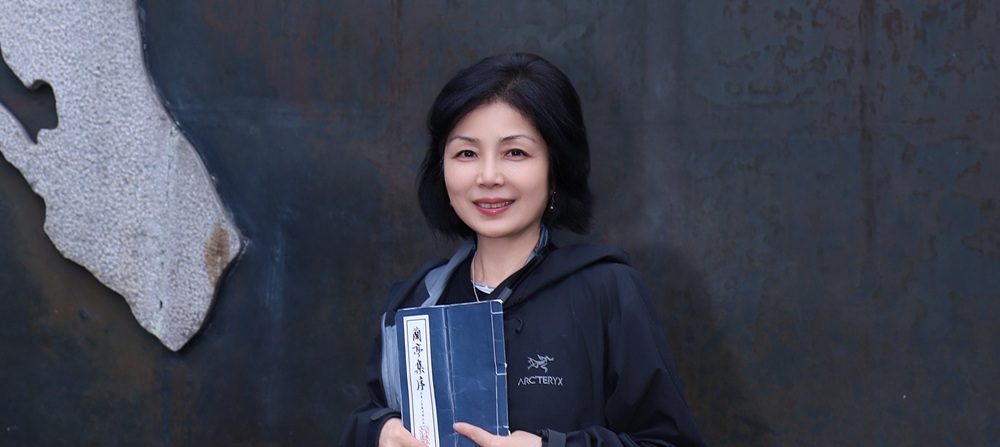
Cathy Xinman: For the Sake of Loving You
“For the Sake of Loving You” joins the conversation on artificial intelligence, but through lyrical beauty rather than cold philosophy.

“For the Sake of Loving You” joins the conversation on artificial intelligence, but through lyrical beauty rather than cold philosophy.

Xinman’s newest poem, “Christmas Eve”, is a meditation on stillness, listening, and the quiet birth of peace.

In “The Ache of Solitude”, the Canadian poet explores the fragile border between connection and isolation.
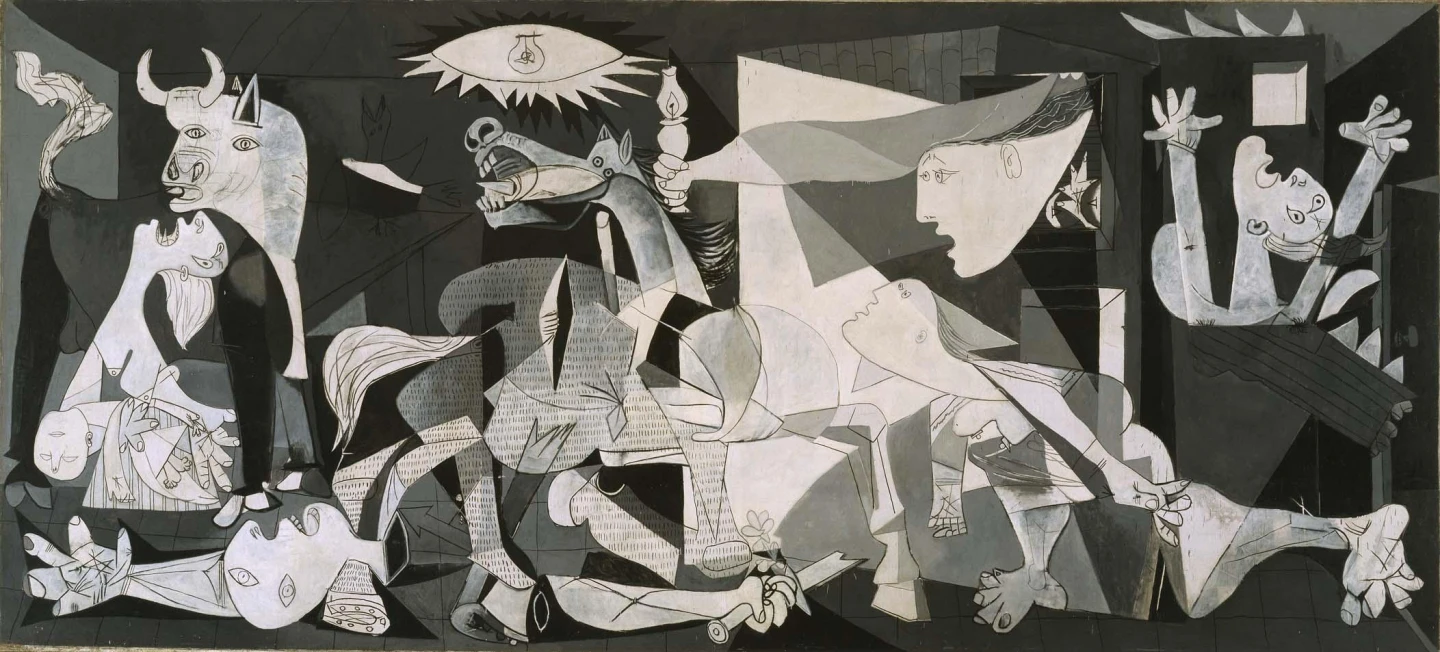
Xinman has written an ambitious art poem, inspired by Picasso’s Guernica painting as its spiritual ignition point.

“Child of the Rose” is a meditation on love as both creation and surrender.

“The Wound of Solitude” is a poem for anyone who has ever felt alone in a crowd.

In “Sunday Is Real”, the Canadian poet distills the hush of a single day into an intimate meditation on love and presence.

Xinman’s poem, “I Try to Become a Morning”, explores the exquisite tension between a desire for purity and the burden of earthly existence.
“Sleep, Do Not Fear Me” offers not just a reading experience, but a moment of profound and shared solace.

Xinman’s poem reflects on time, aging, and human mortality, while celebrating the power of love, shared human experience, and the sun.

