
聲音與表演藝術家譚亦斯在《Seeing Double // Walking at Night by Myself》中顛覆感官
譚亦斯 (Nancy Tam) 在安大略省康山 (Thornhill) 的一個學校操場上培養了對聲音體驗的熱愛。這位溫哥華的聲音與表演藝術家10歲時,作為從香港移民到加拿大的一員,首次接觸到如此寬廣的開放空間。

譚亦斯 (Nancy Tam) 在安大略省康山 (Thornhill) 的一個學校操場上培養了對聲音體驗的熱愛。這位溫哥華的聲音與表演藝術家10歲時,作為從香港移民到加拿大的一員,首次接觸到如此寬廣的開放空間。
Tam says that this PuSh International Performing Arts Festival show is informed by her own late-night walks, as well as Asian horror films.
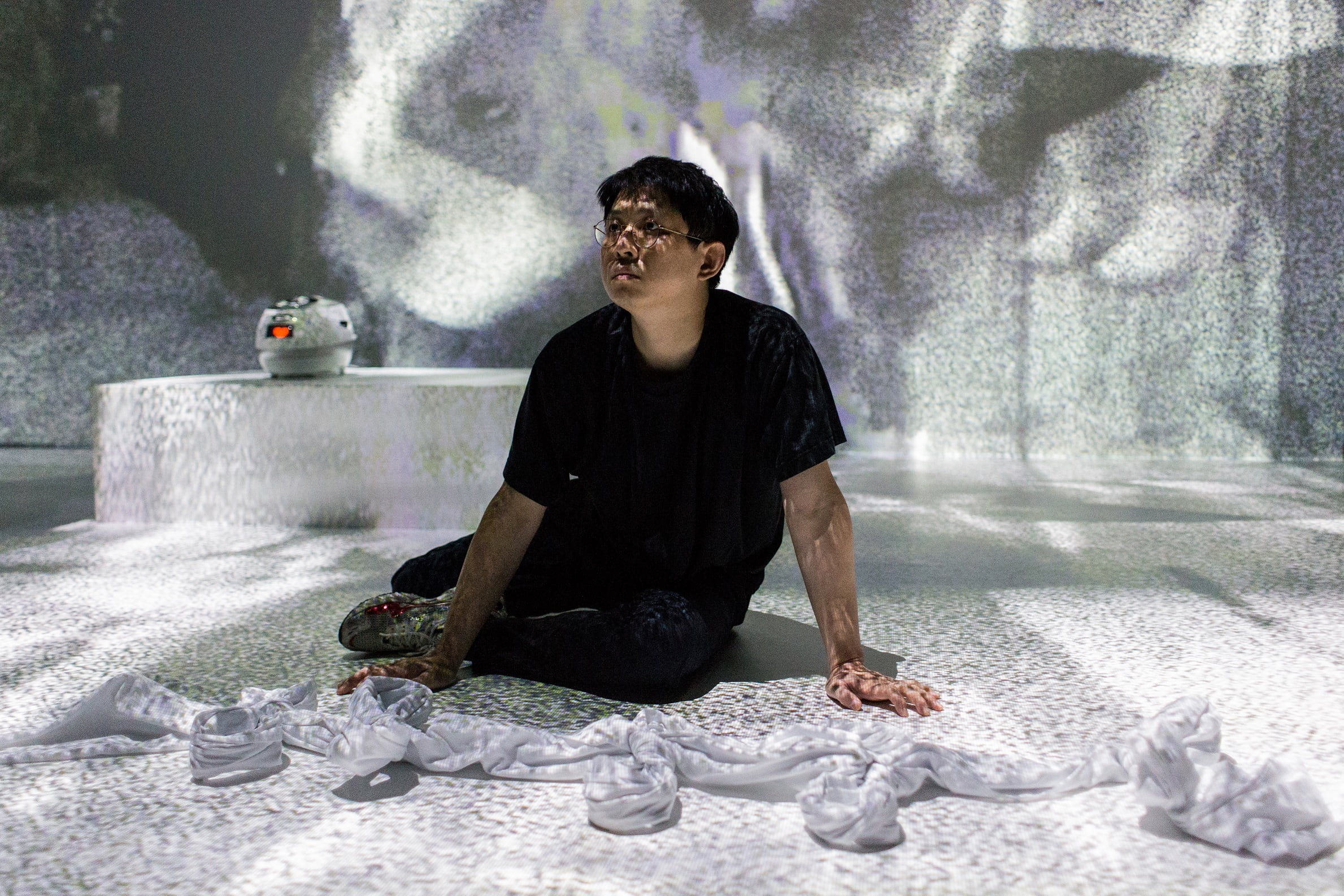
In this provocative work, Koo considers the impact of Japanese and U.S. occupation in the 20th century on what is presented on Korean stages.
艺术家具滋昰 (Jaha Koo) 专注于探索帝国主义对他的祖国南韩的影响,并以此创建了自己的表演艺术事业。在与《Pancouver》的 Zoom 访谈中,这位目前居住于比利时的剧场创作者兼作曲家回忆起2008年的一段深刻的文化失调经历,这启发了他的多媒体表演《The History of Korean Western Theatre(韩国西方剧场史)》。该表演将于1月23日和24日,作为温哥华PuSh国际表演艺术节 (PuSh International Performing Arts Festival) 的一部分登台演出。
藝術家具滋昰 (Jaha Koo) 專注於探索帝國主義對他的祖國南韓的影響,並以此建立了自己的表演藝術事業。在與《Pancouver》的 Zoom 訪談中,這位目前居住於比利時的劇場創作者兼作曲家回憶起2008年的一段深刻的文化失調經歷,這啟發了他的多媒體表演《The History of Korean Western Theatre(韓國西方劇場史)》。該表演將於1月23日和24日,作為溫哥華PuSh國際表演藝術節 (PuSh International Performing Arts Festival) 的一部分登台演出。
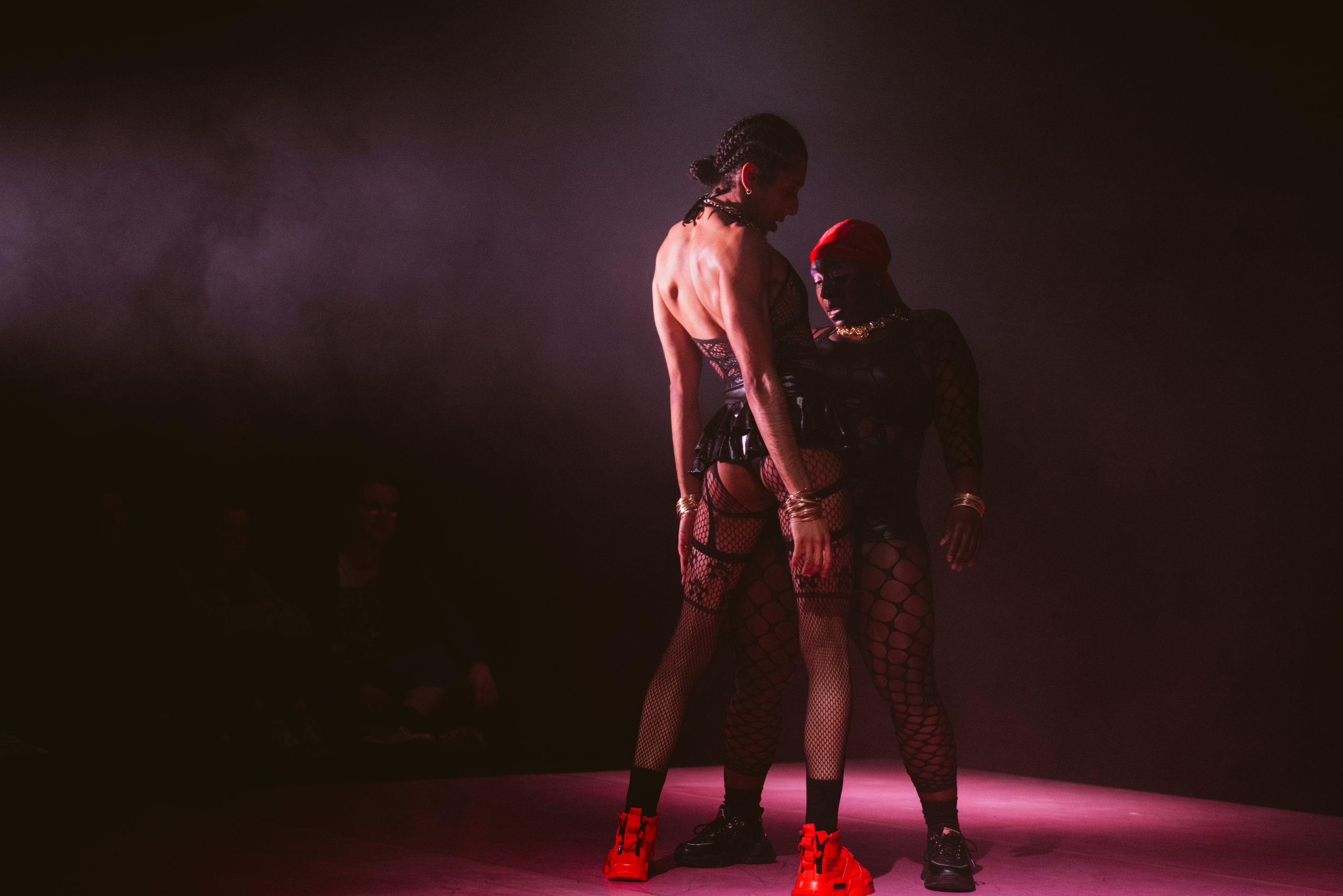
The U.K.-based director of OUT has made it their mission to create room for artists who feel marginalized due to intersecting identities.
跨学科表演艺术家与作家 Ray Young(they/them)非常珍视让人能够全然表达自我的安全空间。事实上,这位居住于诺丁汉的《OUT》导演将为因交叉身份而感到边缘化的艺术家和观众创造空间,视为其使命。
跨學科表演藝術家與作家 Ray Young(they/them)非常珍視讓人能夠全然表達自我的安全空間。事實上,這位居住於諾丁漢的《OUT》導演將為因交叉身份而感到邊緣化的藝術家和觀眾創造空間,視為其使命。
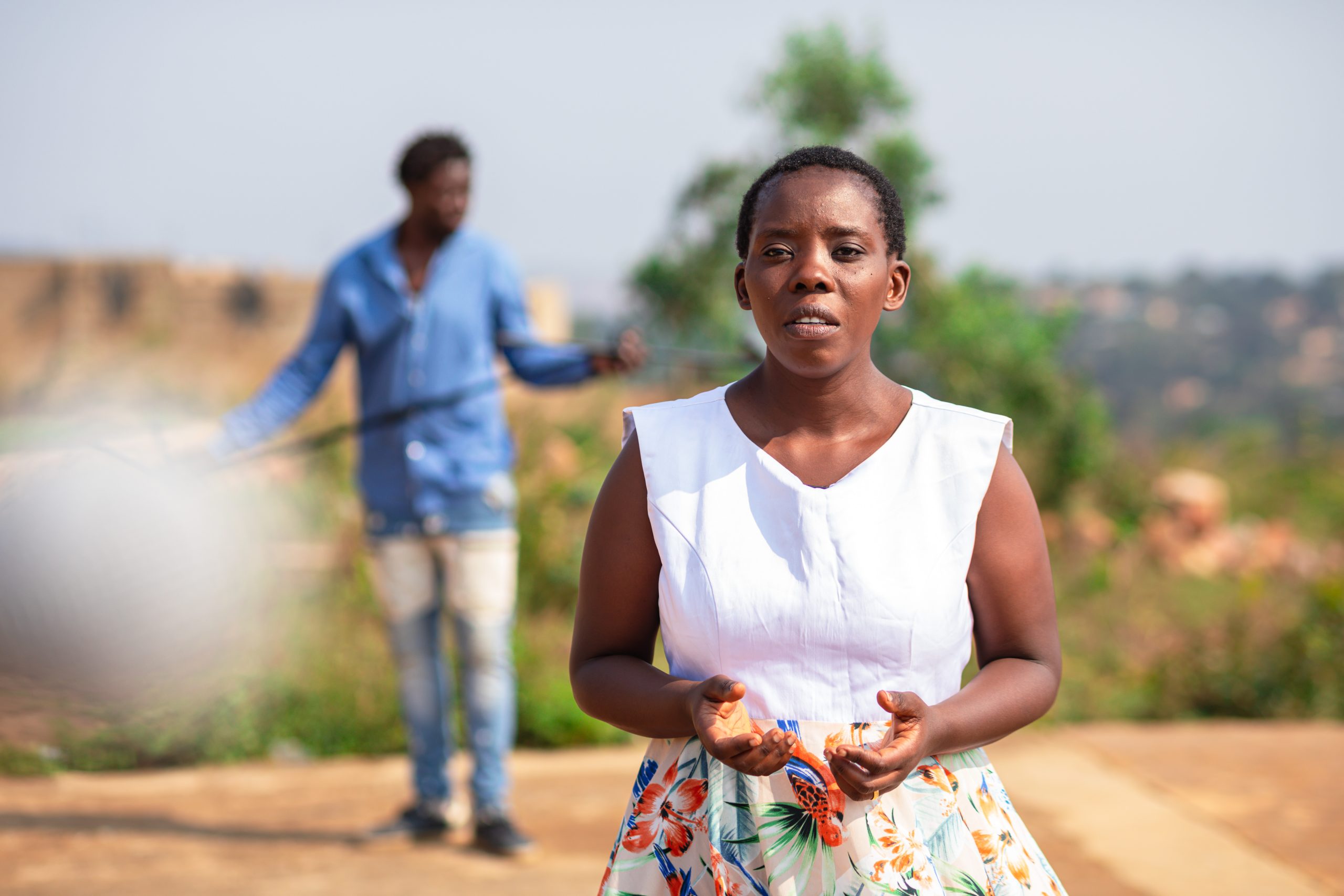
Collectif d’Art-d’Art’s Géometrie de vies (Geometry of Lives) is one of many productions touching upon transcultural themes.
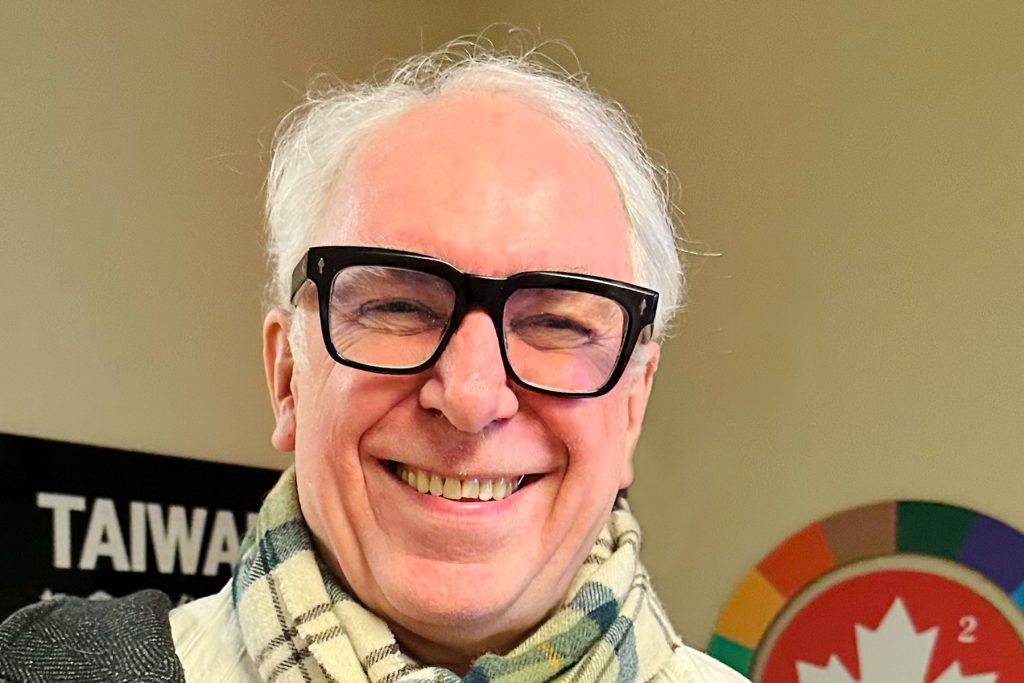
Armour, who died last November, co-founded the PuSh International Performing Arts Festival and Rumble Theatre in Vancouver.

