艺术家姚瑞中将于温哥华博物馆举办台湾「蚊子馆」摄影展览

Yao Jui-Chung
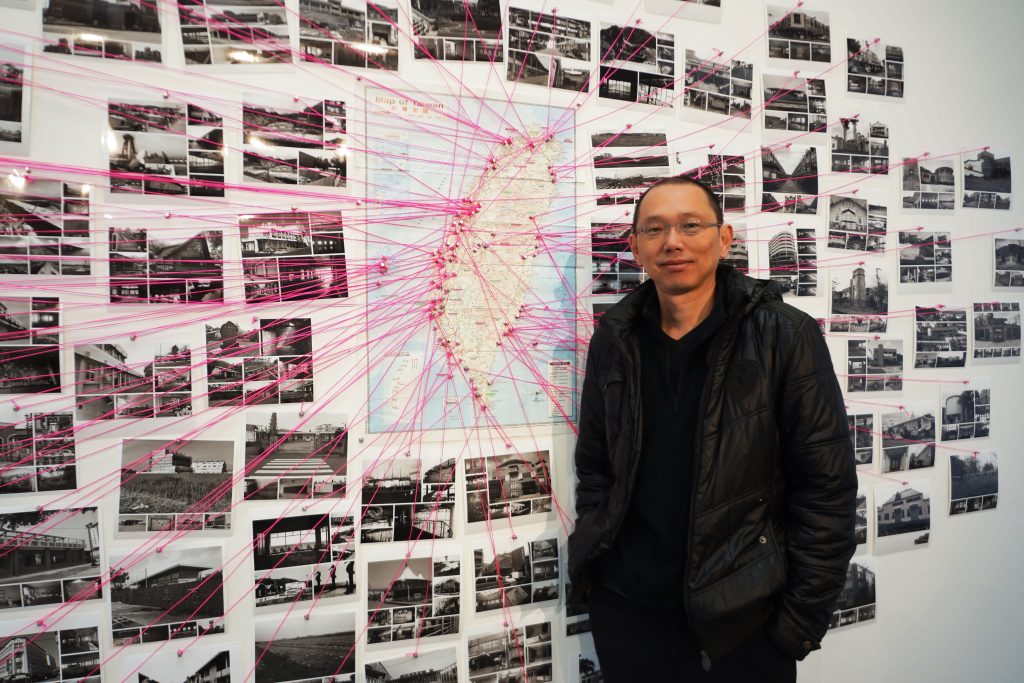
Yao Jui-Chung photographed at Murray Art Museum Albury in Australia, 2017. Photo by Wen Chih-Yin.

【姚瑞中2017年于澳洲奥尔伯里墨瑞艺术博物馆 (Murray Art Museum Albury, Australia) 。摄影:Wen Chih-Yin。】

在2010年,一位名叫姚瑞中 (Yao Jui-Chung) 的教授展开了一项非凡的艺术计划。这位居住在台北的教育家和艺术家给了他在台湾师范大学 (Taiwan Normal University) 美术系的学生一项抉择。他们可以选择按照一般上课方式听老师讲课,或者利用这堂课调查荒废的公共设施。

当然,这位老师的讲座课绝对是非常吸引人的。毕竟,姚瑞中是自1987年台湾解除戒严后首批崭露头角的艺术家之一。此外,他还曾代表台湾参加1997年的威尼斯双年展 (Venice Biennale)。

此外,姚瑞中于1992年共同成立了「天打那实验体」剧团。他还在杨德昌 (Edward Yang) 1994年执导的电影《独立时代 (A Confucian Confusion) 》中担任美术指导。也许,他更为人所知的是以拍摄台湾各地荒废的寺庙、纪念碑和公用建筑而闻名。

于是乎,姚瑞中的学生们决定采纳他的提议,选择将这堂课用来调查台湾各地闲置的公共设施。
Yao Jui-Chung
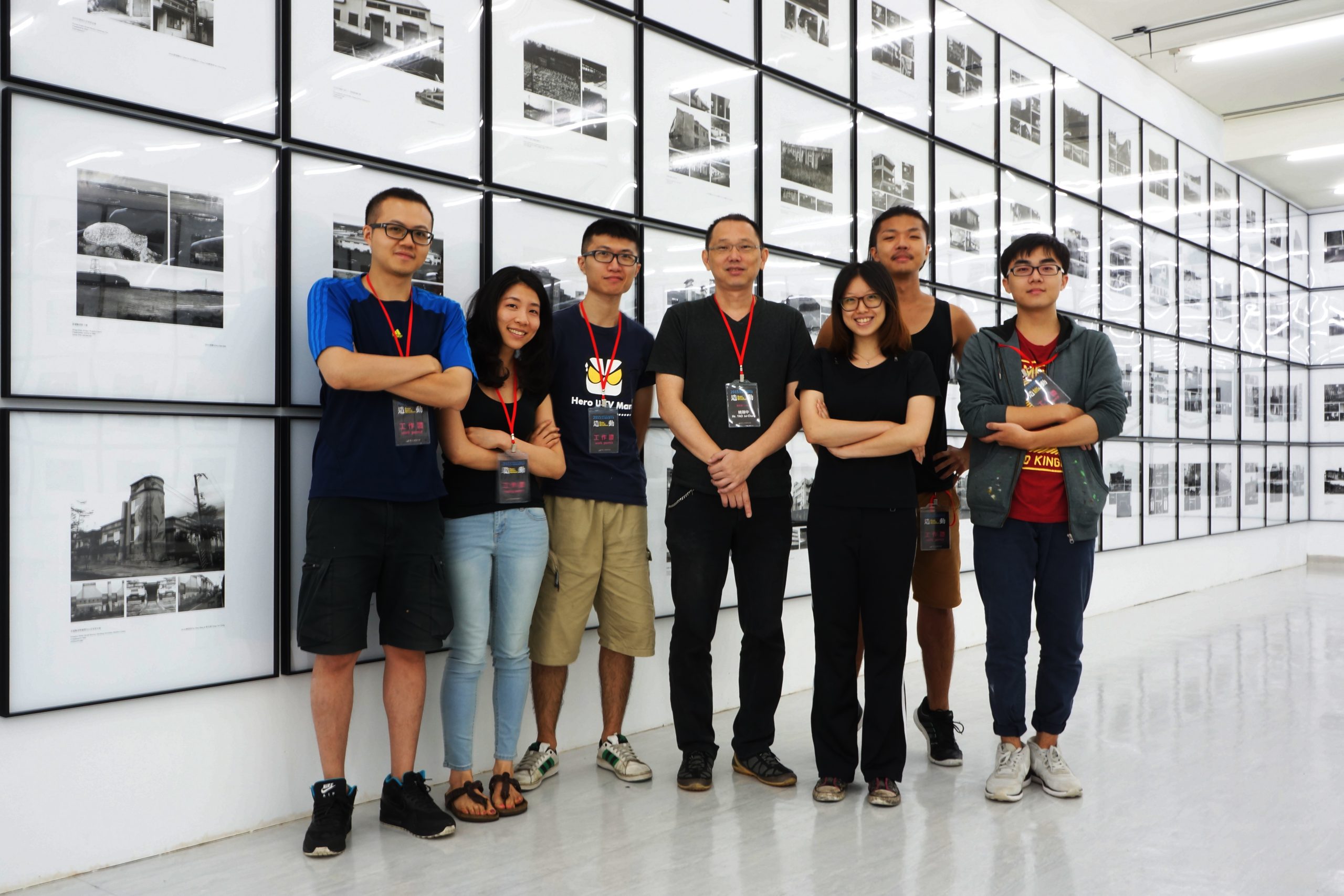
Yao Jui-Chung leads Lost Society Document students in organizing an exhibition. Photo by Yao Jui-Chung.

【姚瑞中带领《失落社会文件室 Lost Society Document (LSD) 》的学生成员们共同策展。照片提供:姚瑞中】

《失落社会文件室 Lost Society Document (LSD) 》摄影计划的小组成员是由台湾师范大学和台北艺术大学 (Taipei National University of the Arts) 的学生们所组成,他们实际上发现了多达800座低效利用的公共建设,并将调查结果编辑成一本厚达684页的调查报告书,详细记载了147座所谓的「蚊子馆 (mosquito halls) 」。

从1970年代开始,台湾政府投资建设了体育设施、会展中心及学校。但后来,因不当运用与管理,其中许多公共设施遭到闲置,甚而荒废。有些废弃的公共设施更成为了孳生蚊子的场所,对公共健康造成了巨大危害。

这项艺术行动产生了深远的影响。正因为姚瑞中和这些学生们的调查,促使了政府当局不得不采取行动,并承诺活化一些仍可用的设施,同时拆除不再适用的设施。
Yao Jui-Chung
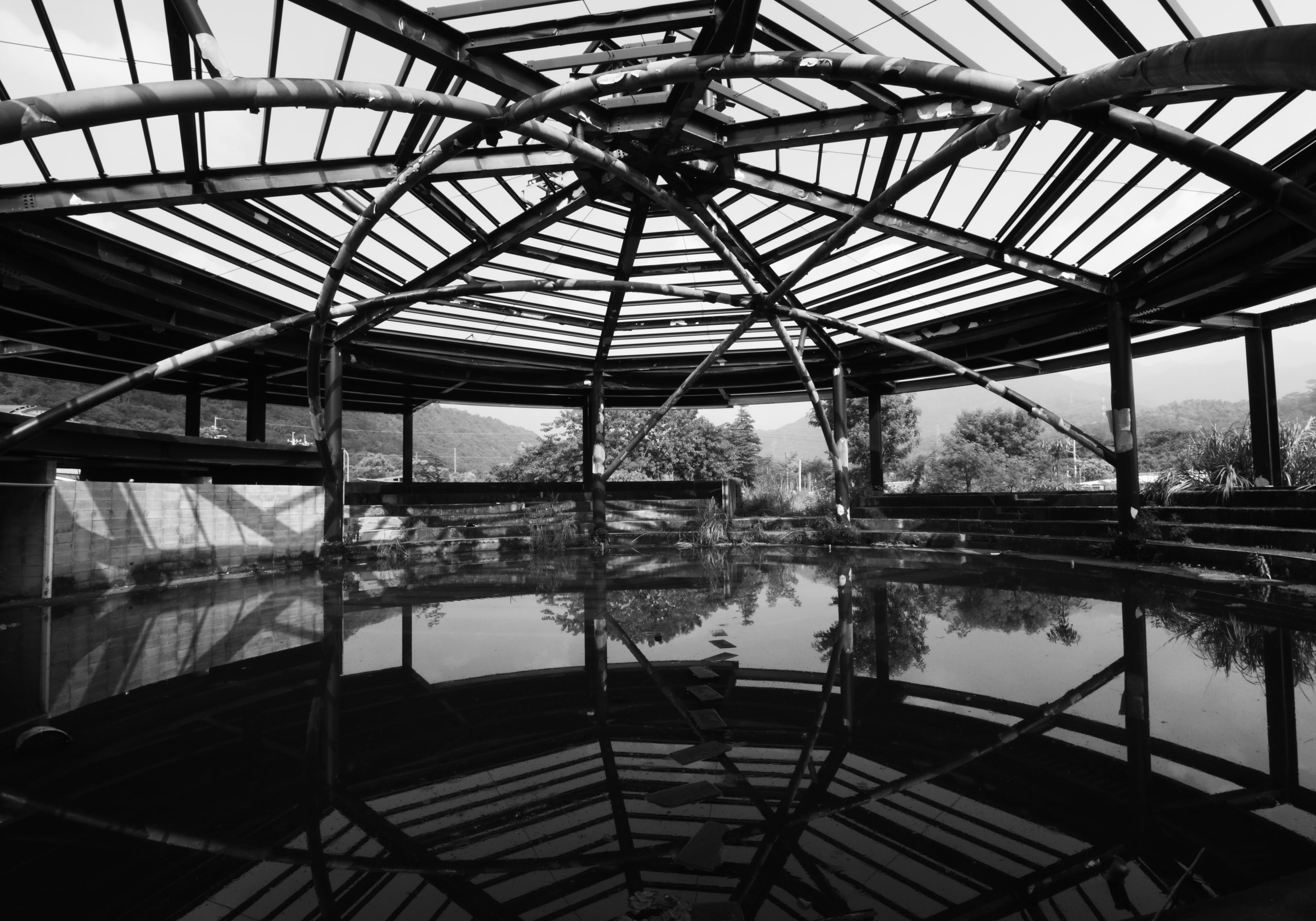
Construction started in 2014 on the Zhulu Cultural Performance Centre in Chiayi County. Photo by Yao Jui-Chung.

【嘉义县逐鹿文化展演中心 (Zhulu Cultural Performance Centre, Chiayi County) 于2014年开始动工。摄影:姚瑞中】

姚瑞中积极参与社会运动

5月30日起,温哥华博物馆 (Museum of Vancouver) 将展出这项艺术行动的重要成果——一系列150张的黑白照片。此次摄影展览名为《海市蜃楼:台湾闲置公共设施抽样踏查 (Mirage: Disused Public Property in Taiwan) 》,是该艺术计划首次在北美展出。温哥华博物馆将这次展览宣传为「摄影作为社会运动及对城市发展政策的批判 (Photography as Social Activism and a Critique of Urban Development Policies) 」。

姚瑞中在温哥华博物馆新闻稿中表示:「在这个透明化的时代,掩饰只会造成更多伤害。本计划内核是站在人民立场视图公共空间状况,全世界都面临相同问题,但是台湾愿意面对、处理、放下,堪为国际社会表率。」
Sandy Lo
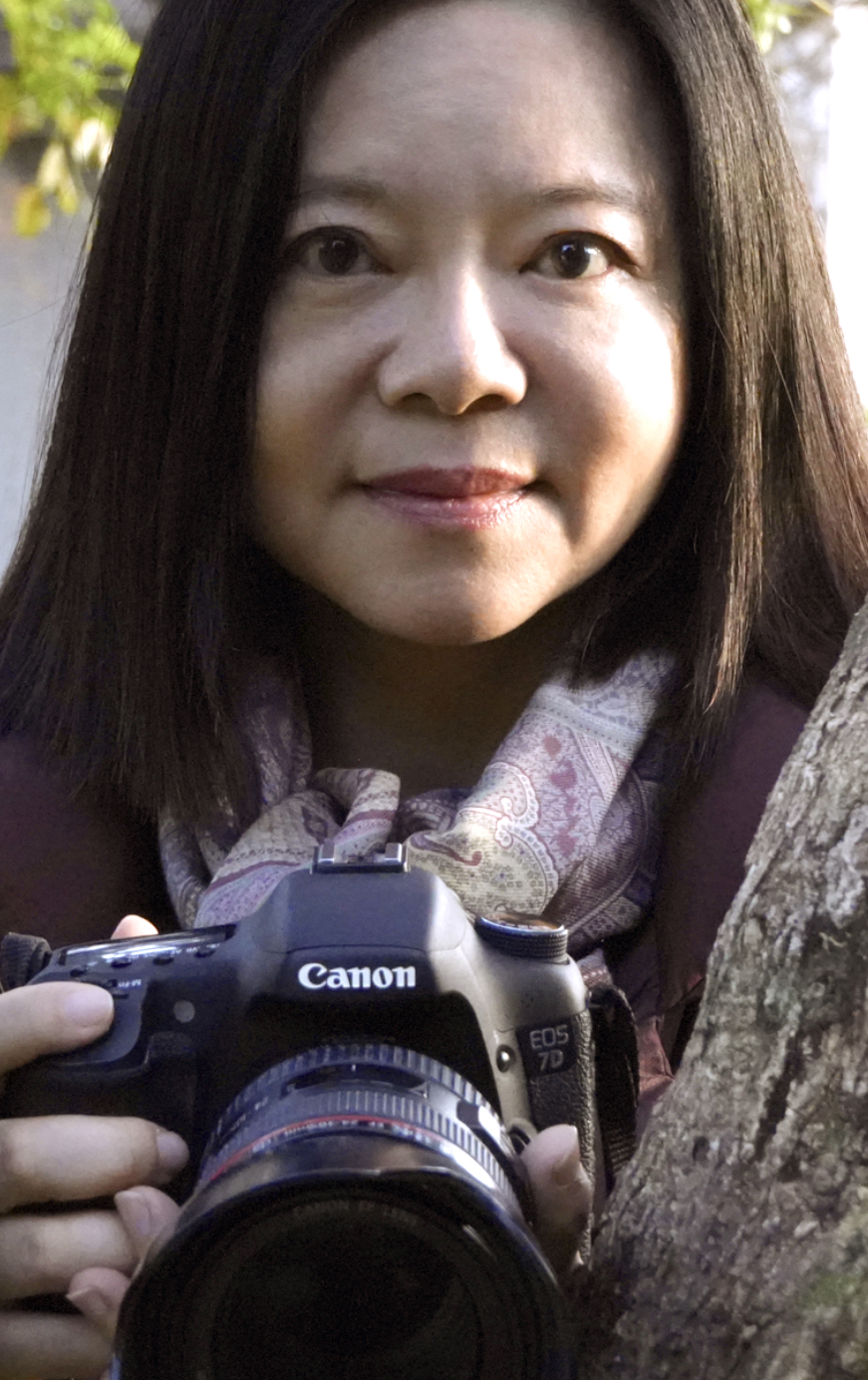
Sandy Lo created the documentary A Rainbow Over the Ruins. Photo by Sean Chang.

【罗秀芝 (Sandy Lo) 制作及执导的纪录片《在废墟看见一道彩虹 (A Rainbow Over the Ruins) 》。摄影:Sean Chang。】

《海市蜃楼:台湾闲置公共设施抽样踏查》展览还包括罗秀芝 (Sandy Lo) 的纪录片《在废墟看见一道彩虹 (A Rainbow Over the Ruins) 》,该纪录片详实记录与拍摄《失落社会文件室 Lost Society Document (LSD) 》计划的工作片段。此外,该展览还将展出英属哥伦比亚大学 (UBC) 亚裔加拿大移民研究课程 (Asian Canadian Migration Studies Program) 和建筑与景观设计学院 (the School of Architecture and Landscape Architecture) 学生们所制作的短片。

根据温哥华博物馆表示,这些学生的影片「将以在地的观点深入探讨温哥华社区营造和城市衰退的重要议题」。
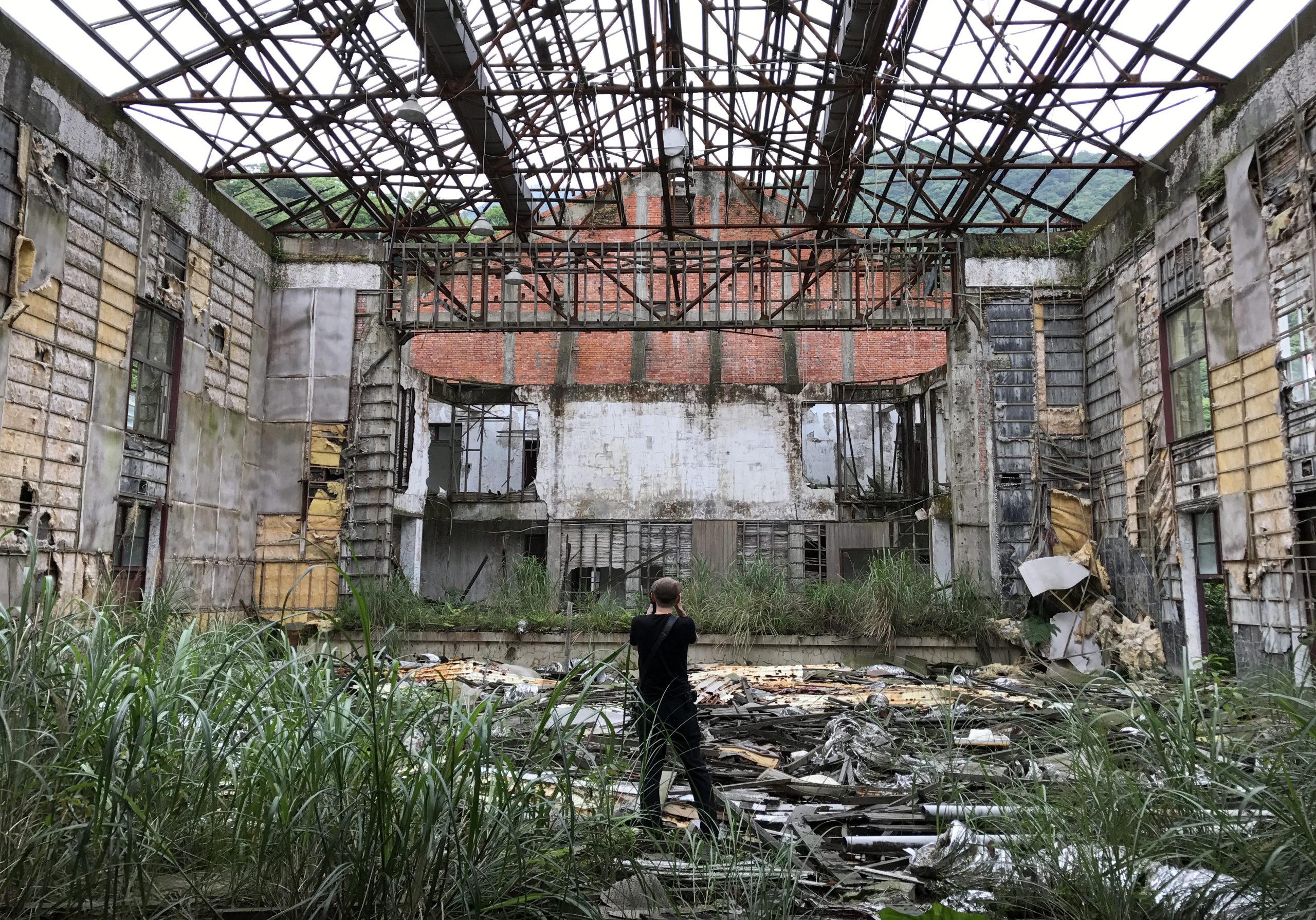
Yao Jui-Chung
Yao Jui-Chung during an outdoor photography shoot. Photo by Yao Jui-Chung.

【姚瑞中于一次户外拍摄踏查。照片提供:姚瑞中。】

更多有关《海市蜃楼:台湾闲置公共设施抽样踏查》展览信息,请上温哥华博物馆网站 Museum of Vancouver website。

阅读原文 >> 点此链接

立即行动

Pancouver 激发创造力并促进一个更具包容性的社会。请支持我们关注多元的艺术家!来自加拿大境内的捐款可获得税务收据。

分享这篇文章

精选华文翻译文章

Chienhua

缠花艺术家陈惠美展现了台湾族群丰富多样的传统及文化

陈惠美运用她作为一名缠花工艺师的巧手,为新人们创造了幸福的回忆。此外,她精心设计的作品反映了她的故乡-台湾不同族群的传统和文化,体现了这个岛屿的丰富面貌。在中文口译Ann Fu的帮助下,陈惠美向Pancouver谈到了她的艺术形式-缠花,是一种结合了剪纸、缠绕及刺绣技巧的工艺艺术。在访谈中,她指着各种反映客家缠花、闽南缠花和金门吉花特色的作品,说道「这些都是传统上在婚礼中使用的,蝴蝶象徵着生育。」

继续阅读 »

The Society of We Are Canadians Too created Pancouver to foster greater appreciation for underrepresented artistic communities. A rising tide of understanding lifts all of us.

We would like to acknowledge that we are gathered on the traditional and unceded territories of the Coast Salish peoples of the xʷməθkwəy̓əm (Musqueam Indian Band), Skwxwú7mesh (Squamish Nation), and Səl̓ílwətaɬ (Tsleil-Waututh Nation). With this acknowledgement, we thank the Indigenous peoples who still live on and care for this land.

This project is funded in part by the Government of Canada.

The Society of We Are Canadians Too created Pancouver to foster greater appreciation for underrepresented artistic communities. A rising tide of understanding lifts all of us.

We would like to acknowledge that we are gathered on the traditional and unceded territories of the Coast Salish peoples of the xʷməθkwəy̓əm (Musqueam), Skwxwú7mesh (Squamish), and Səl̓ílwətaɬ (Tsleil-Waututh) Nations. With this acknowledgement, we thank the Indigenous peoples who still live on and care for this land.

Enjoying Pancouver?

Independent arts journalism needs readers like you!

If you value stories like this, please consider supporting Pancouver.
