Seven Springs Pictures uses the words “fiction” and “documentary” to describe its 2024 film Higher than Acidic Clouds. But the feelings that Iranian director Ali Asgari expresses in this introspective, autobiographical essay are very real.
Asgari made Higher than Acidic Clouds in the wake of Terrestrial Verses, which he co-directed with Toronto-based Alireza Khatami. Through a deadpan series of vignettes, Terrestrial Verses depicted average Iranians being interrogated by a person off-screen, thereby exposing the absurdity of state repression. The film won several prizes, including Best Feature Film Award at the Toronto Reel Asian International Film Festival. In response to Asgari and Khatami’s clever lampooning, the Iranian government prohibited Asgari from leaving the country to attend the world premiere at the Cannes Film Festival.
In Highter than Acidic Clouds, it’s Asgari’s turn to be interrogated by an agent of the state (played by Mohammad Soori). Authorities search Asgari’s home, seizing hard drives and communications devices. But as narrator, Asgari declares that these officials cannot confiscate his memories, which he spills out slowly and with great assurance over the course of his film.
The DOXA Documentary Film Festival will present the B.C. premiere of Higher than Acidic Clouds at 5:30 p.m. on May 7 at the VIFF Centre.
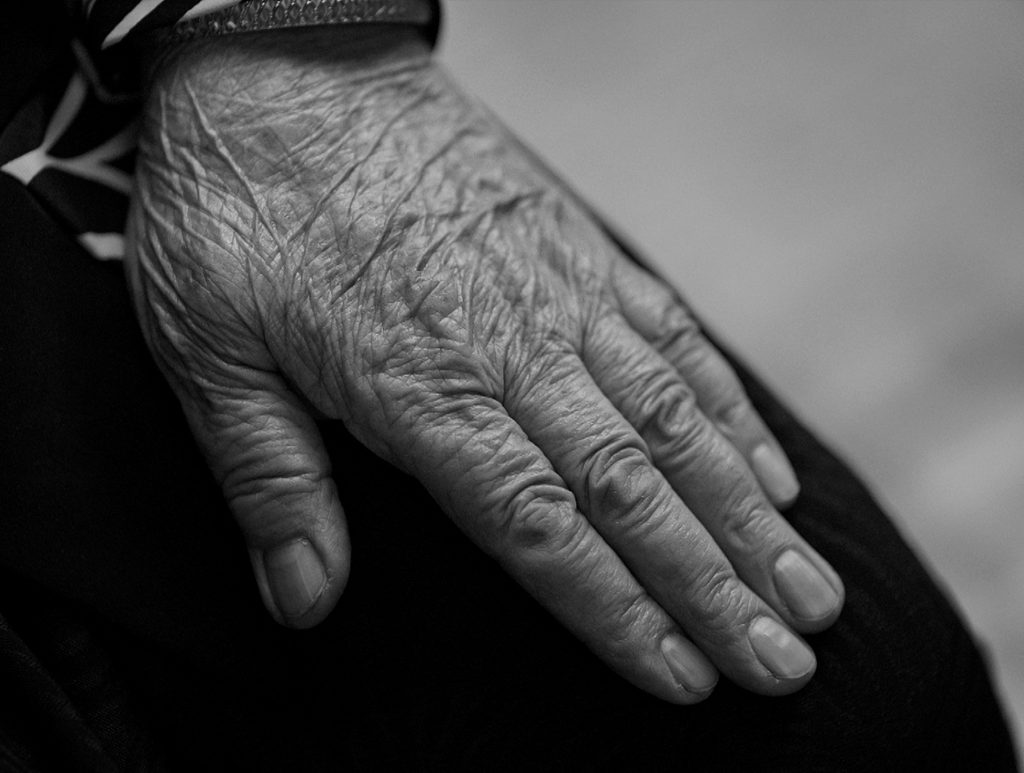
At times poignant, on other occasions disturbing and infuriating, Asgari’s documentary is always poetic. This is reflected in how he discusses his mother’s weathered hands, which he likens to umbrellas. The director recalls hearing a lullaby in his family’s Tati language. And he confesses his fear of heights and his claustrophobia—as well as how he shuts out unpleasant sights.
Asgari contrasts Tehran with Rome
With brilliant cinematography, Asgari presents Tehran in monochrome—a colourless city existing under ominously large, toxic clouds. Out of his window, he sees traffic snarled endlessly on a major thoroughfare. Camera angles from the sky show a major metropolis devoid of life. In his voice-over, Asgari describes how buildings of all sizes have crowded out greenery and imaginative architecture. Moreover, the pollution is killing people.
The filmmaker then contrasts Tehran’s joylessness with the energy and artistry of Rome, where he lived for a decade.
Ultimately, Higher than Acidic Clouds reveals that an artist of Asgari’s stature can still create a courageous, visually dazzling, and thought-provoking work in the face of inane interrogations and preposterous censorship. This defiant film filled with gorgeous music offers proof of that. But it’s questionable how many people will see it in the country that he calls home.
Watch the trailer (above) for Higher than Acidic Clouds.
The DOXA Documentary Film Festivall will present Higher than Acidic Clouds at 5:30 p.m. on May 7 at the VIFF Centre. It will be followed by a pre-recorded Q&A with director Ali Asgari. The community partner is the MENA Film Festival. For more information and tickets, visit the DOXA website.
Follow Pancouver on X @PancouverMedia and Bluesky @pancouver.bsky.social. Also find Pancouver on Instagram @PancouverMedia. Follow Charlie Smith on Bluesky @charliesmithvcr.bsky.social.