
Over the past 50 years, Hollywood has produced a long list of commercially successful dance movies. But there has never been a dance film quite like Dancing Home, which will be screened at the VIFF Centre next Thursday (August 14). This feature documentary reveals how a dedicated choreographer is transforming young Indigenous people’s view of themselves in southeastern Taiwan.
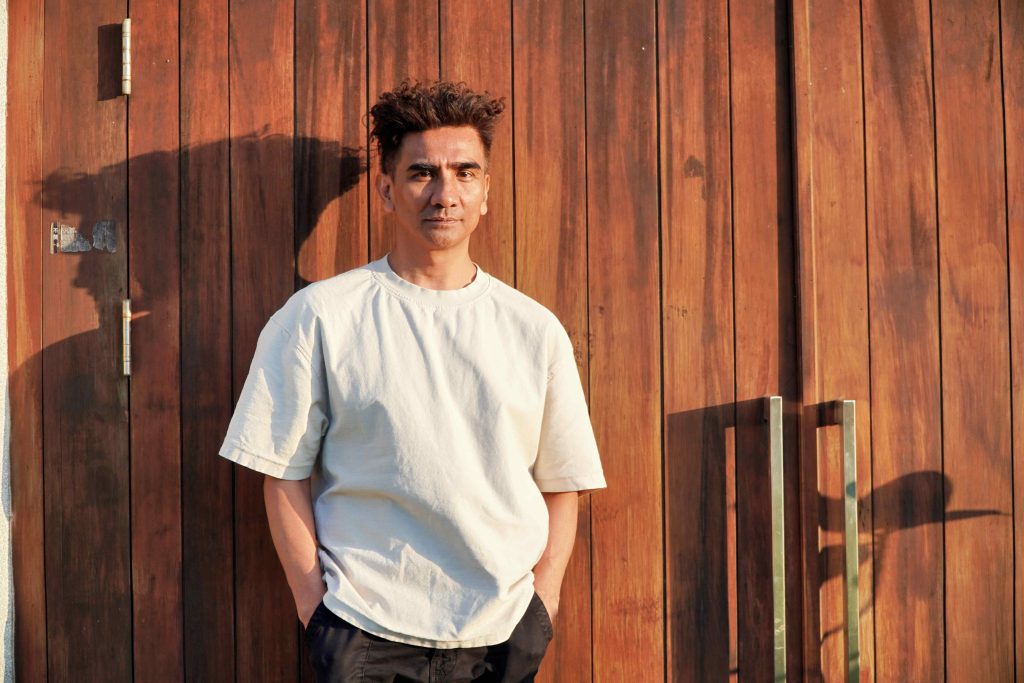
Dance artist Bulareyaung Pagarlava is Paiwan, the second-largest tribe in the Island nation. As a teenager, he felt shame about his ancestry, particularly after he moved to the city of Kaohsiung, where people mocked his speaking style. Bulareyaung says in Dancing Home that he only started to feel that he was a human being when he learned to speak Mandarin without an accent.
After graduating from the dance department at Taipei National University of the Arts, Bulareyaung joined the prestigious Cloud Gate Dance Theatre. Then he won a scholarship to study in New York and went on to choreograph for the Martha Graham Dance Company. By 2011, he was at the height of his career, winning standing ovations in one of the world’s great dance capitals.
However, as Dancing Home director Wang Cheng Yi reveals, Bulareyaung felt a certain emptiness because he could not share this success with loved ones. He was alone in New York. So he returned to Taitung County on the southeastern coast of Taiwan to create the Bulareyaung Dance Company in 2015. He was on mission to share his expertise with young Indigenous men to help them reconnect to their culture.
Dancing with while holding on
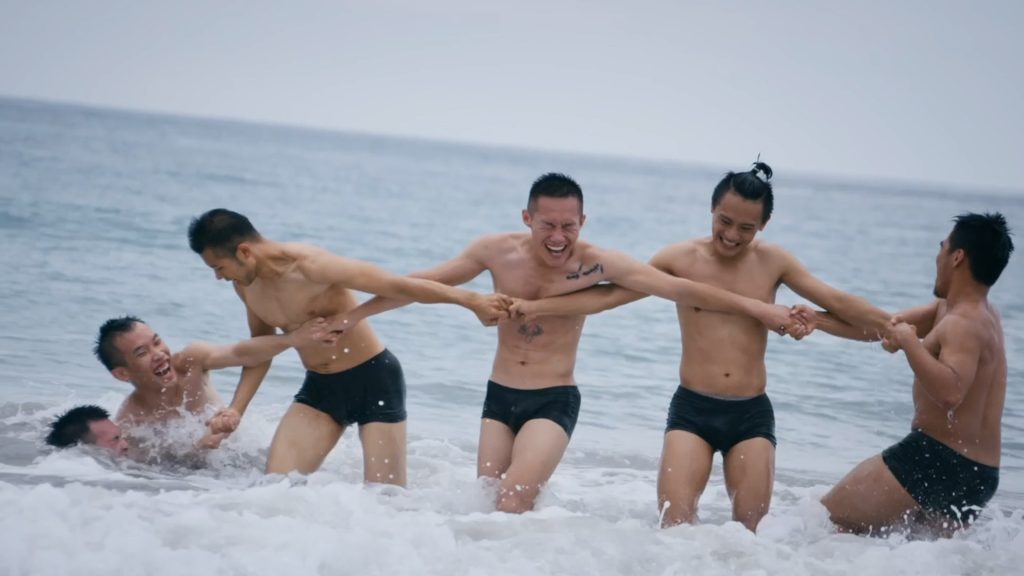
The company’s second work, Qaciljay, means “rock” in the Paiwan language. The entire dance troupe holds onto one another’s hands—with both right and left hands—from start to finish, no matter how tired they become. Young, muscular Indigenous Asian male bodies move rhythmically, twisting and turning as they chant in unison. As the choreographer, Bulareyaung wanted to demonstrate the union of Indigenous peoples with the Earth while demonstrating their strength. For this contemporary interpretation of Paiwan traditional ceremonial practices, the company won the 2016 Taishin Arts Award.
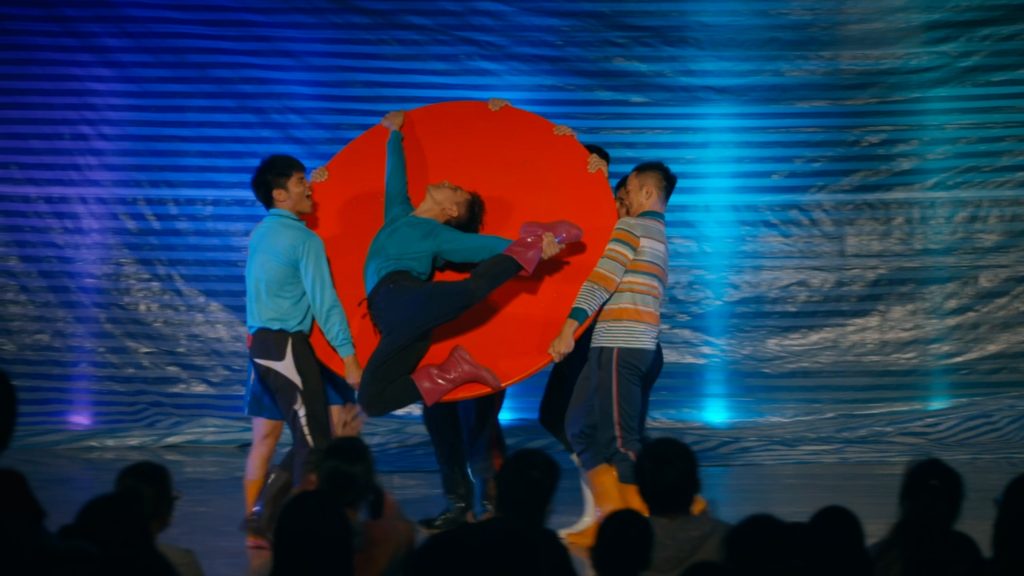
Bulareyaung Dance Company also took the runner-up position that year with another work, Colors, which is also featured in Dancing Home. It was inspired by the aftermath of Typhoon Nepartak, which struck Taitung in July 2016, when dancers playfully cleaned up afterwards. On-stage, they joyfully wrap themselves in a PE sheet as if they’re wearing a nightgown.
On many occasions in the film, the dancers’ joy is infectious, even as their choreographic boss struggles to find his comfort zone in the world.
More than a third of all residents of Taitung County are Indigenous—the highest percentage of any county or city in Taiwan. The emergence of Bulareyaung Dance Company coincided with growing calls for greater respect for Indigenous rights in the country.
Heartache, loneliness, and an Indigenous comeback
In one part of the film, Beinan-Amis singer-songwriter and activist Panai Kusui leads a high-profile street protest in 2017. It came after the central government had declared certain public lands as Aboriginal ancestral territories. But the president, Tsai Ing-wen, held off on applying this designation to privately owned land, including mines.
Panai, a former vocal supporter of Tsai, shares on film what it’s like being an exile in her own land. Moments later, director Wang shows Bulareyaung Dance Company performing Qaciljay in the street at night within sight of the Presidential Palace.
But Dancing Home is more than just a film about the Indigenous comeback taking place in Taiwan. It also captures the ephemerality of dance careers, the loneliness of choreography, and the heartache felt by male dancers when their fathers don’t support their artistic passion.
“As a documentary about a contemporary dance company, I chose to forgo discussions of dance aesthetics and the choreographer’s biography, focusing instead on the human condition,” Wang says in his director’s statement. “I aimed to capture an essential moment in the creator’s life during a period of confusion.”
The VIFF Centre, Vancouver TAIWANfest, and DanceHouse will co-present Dancing Home at 7:30 p.m. next Thursday (August 14) at the VIFF Cinema. Producer 曹盛彥 Tsao Sheng Yevia will take questions from the audience afterward over Zoom. For tickets and more information, visit the VIFF Centre website. Follow Pancouver on Instagram @PancouverMedia and on Bluesky @pancouver.




