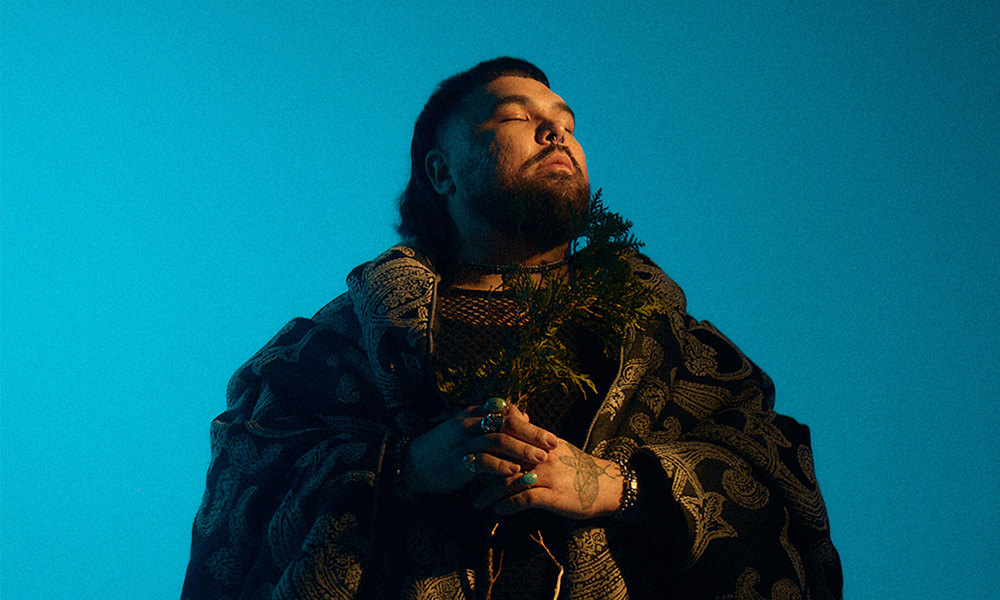
For the first time, Iranian Canadian artists are participating in a Lunar New Year public art project in Vancouver.
The VIVA Alliance is a Vancouver-based Iranian visual arts nonprofit organization dedicated to intercultural dialogue. It has teamed up with the Asian-Canadian Special Events Association to present four Tehran-born, Vancouver-based artists’ works as part of The Lantern City project.
Artists Golnaz Kiany, Mohsen Khalili, Homa Khosravi, and Hadis Vahidi each provided designs for two lanterns to welcome the Year of the Horse. The exhibition is called Renewal and it will remain in šxʷƛ̓ənəq Xwtl’e7énḵ Square (plaza on north side of the Vancouver Art Gallery) until March 9.
The Asian-Canadian Special Events Association has also curated other free Lantern City exhibitions currently at the Bentall Centre, Pendulum Gallery, Robson Plaza, and Granville Island.
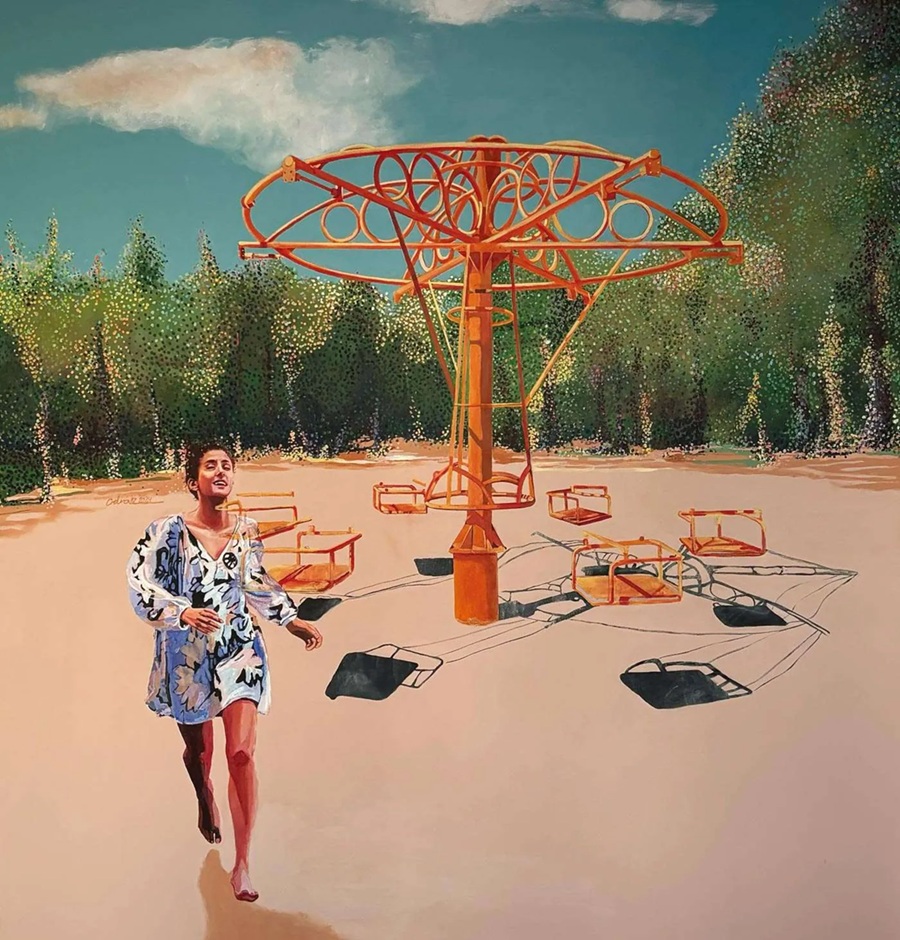
Kiany’s work comes from her recent series, Silent Generation, which explores nostalgic feelings in connection to contemporary life. The Orange Swing includes a woman joyously running in front of an orange swing; Illusion revolves around a couple and a third man walking near a Ferris wheel.
“Kiany reimagines these subjects through the carefree rhythms and emotional textures of her early memories, allowing joy and movement to surface—reclaiming the fearless vitality of childhood as a way of facing uncertainty with resilience and hope,” the VIVA Alliance website states.
Kiany earned a bachelor of arts degree from Sooreh University in Tehran. Her work has been exhibited in Tehran, London, Toronto, Vancouver, and New York.
Iranian-born artist inspired by French writer
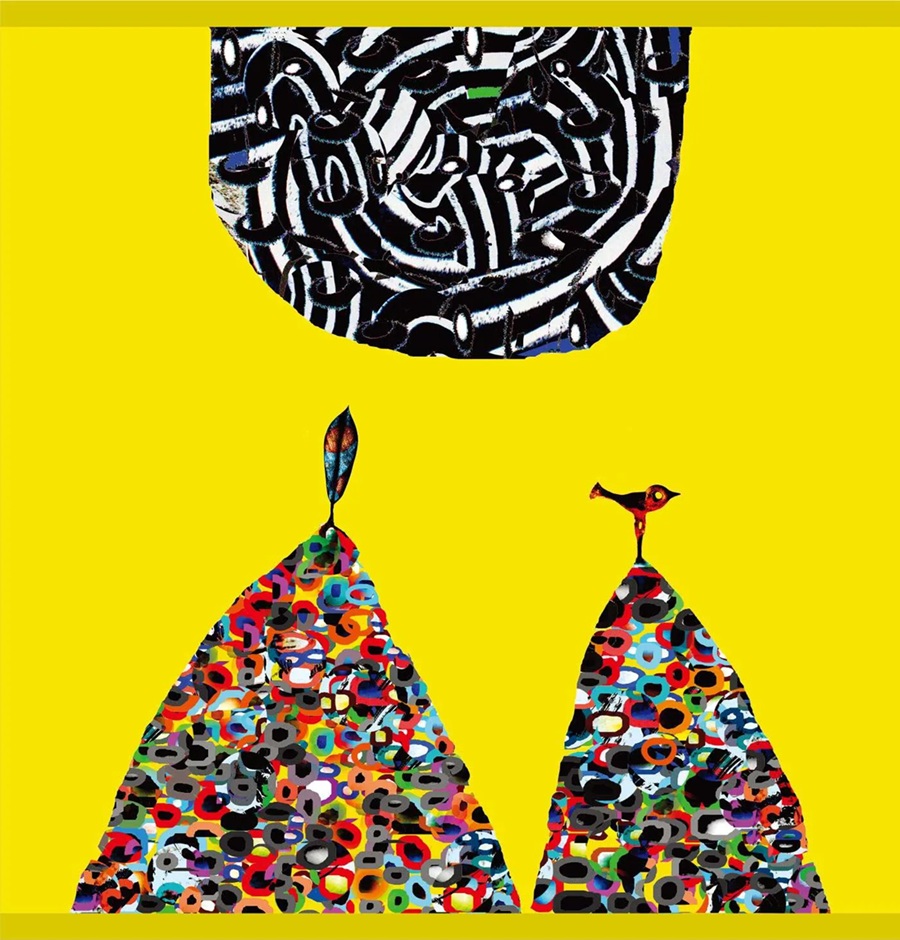
Meanwhile, Khalili’s lanterns were inspired by Antoine de Saint-Exupéry’s novella The Little Prince. Study of Little Prince and His Little Planet III & IV each “explores themes of loneliness, the joy and burden of creativity, and the longing for understanding and connection,” according to the VIVA Alliance.
Khalili is a multidisciplinary conceptual artist whose practice is “deeply informed by his lived experiences of displacement, physical disability, and isolation”. His works have been exhibited in several countries, including the United States, Iran, Japan, Taiwan, and Kuwait.
Another artist, Khosravi, is an interdisciplinary artist. She often explores dreamlike and personal narratives influenced by her environment and lived experiences. And expresses them through different mediums—including painting, video, and sculpture installation—sometimes drawing on her Iranian heritage and Persian gardens.
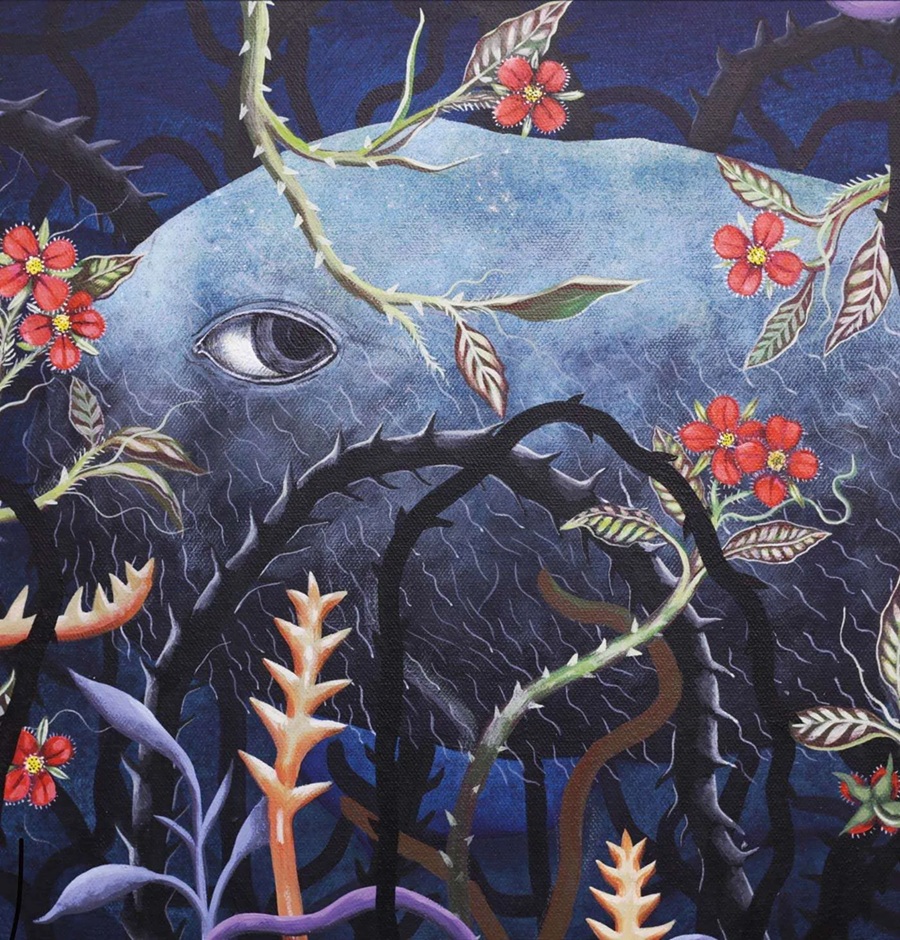
Lanterns in šxʷƛ̓ənəq Xwtl’e7énḵ Square feature her Vespertine and Daffodils at Night designs.
Otherworldly flowers and creatures
“In this body of work, I am investigating nighttime scenes and landscapes, offering an alternative reading of nature and the unknown,” Khosravi states on the VIVA Alliance website. “Beyond the ornamental elements and soft colours, the work presents a space of reflection on mortality and decay; formulating a space for the viewer to find the line between reality and dream under layers of forms and colours.
“The tangled branches act as both barriers and pathways, enclosing luminous, otherworldly flowers and creatures that embodies resilience, mystery, and transformation,” she continues. “Through my paintings, I explore the tension between beauty and obstruction, hope that is growing in the middle of the dark and cold winter.”
Artist says cultures stretch and adapt
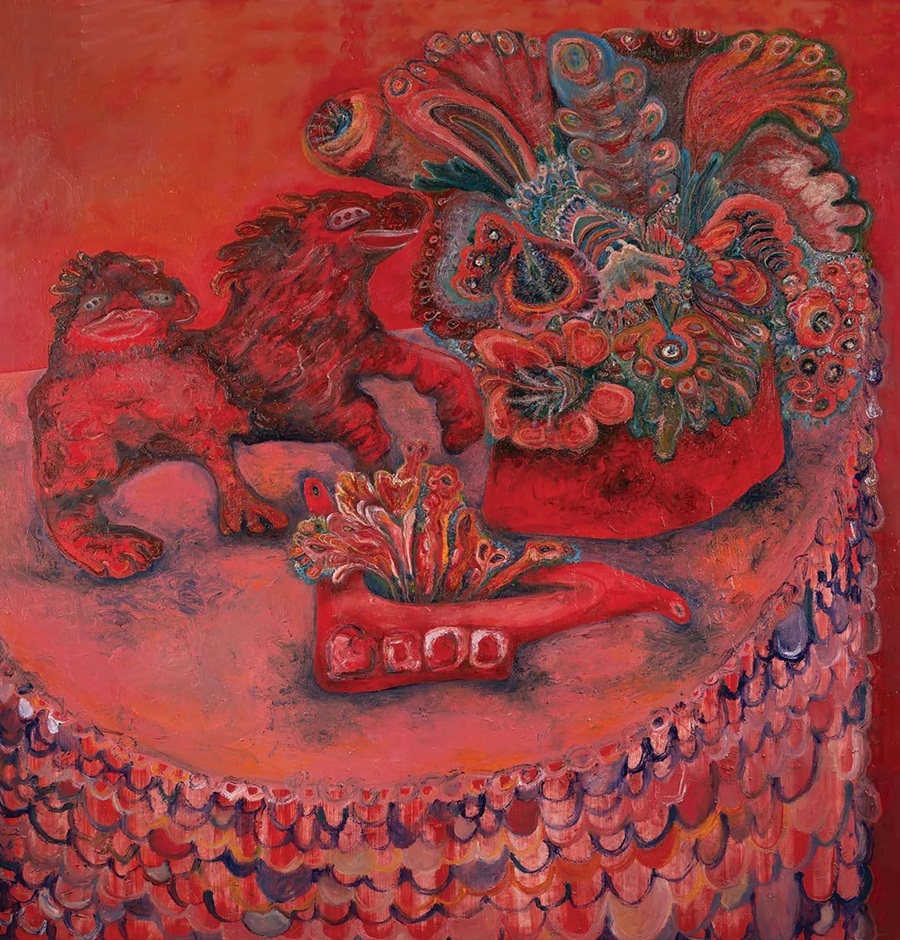
The fourth artist, Vahidi, is a painter and sculptor, “known for her multidisciplinary approach that integrates oil painting on canvas and mixed media sculpture”.
“In her work, Vahidi confronts conventional notions of beauty, skillfully blending the ‘beautiful’ and the ‘grotesque’ to craft unique, thought-provoking aesthetic experiences,” the VIVA Alliance states.
Vahidi created Whispering and A Gap Across the Fears. She notes that in her practice, “surface hold memory, marks linger, fragments resurface, and emotional residue remains embedded”. Moreover, Vahidi maintains that this “sensibility echoes how traditions survive across time and geography”.
“When cultures travel, they do not arrive untouched,” the artist declares. “They stretch, adapt, and take on new forms, yet their core persists. Lunar New Year embodies this continuity, a cyclical return that honours history while making room for change.”
The Asian-Canadian Special Events Association and VIVA Alliance will present Renewal in šxʷƛ̓ənəq Xwtl’e7énḵ Square until March 9. Learn more about The Lantern City on its website. Visit the VIVA Alliance website to learn more about Vancouver-based artists from Iran.
Follow Pancouver on X @PancouverMedia and Instagram @PancouverMedia.