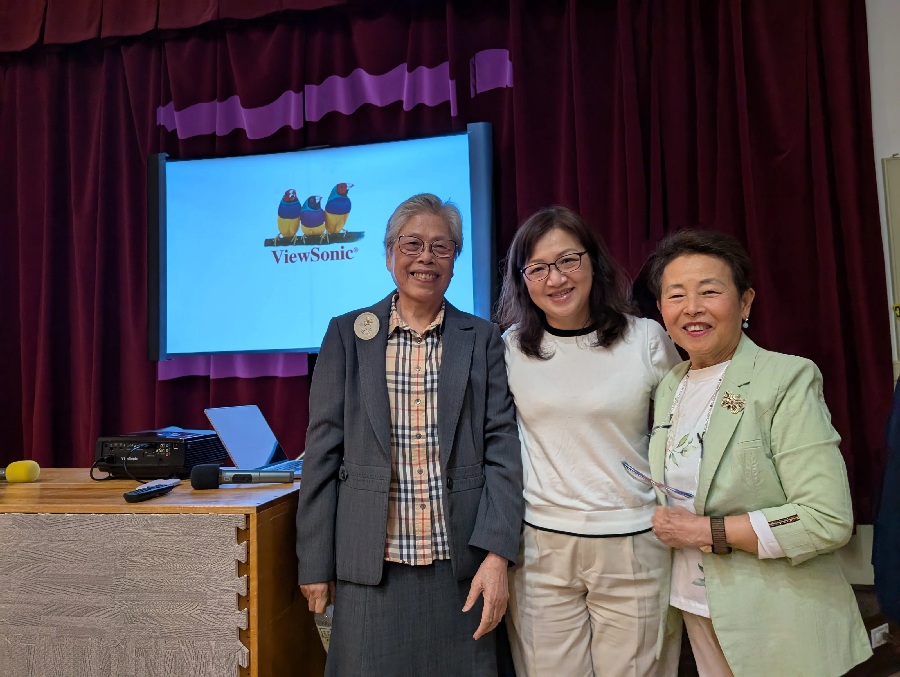
台湾博物馆馆长揭示:英国长老教会宣教师如何将现代医疗带入台湾
来自台湾的博物馆馆长近日于 Kerrisdale Presbyterian Church 发表演讲,并引用知名艺术史学家 Peter Vergo 的观点,说明博物馆存在的真正价值。

来自台湾的博物馆馆长近日于 Kerrisdale Presbyterian Church 发表演讲,并引用知名艺术史学家 Peter Vergo 的观点,说明博物馆存在的真正价值。

台湾民谣音乐人阿达 (A-Tat) 非常热衷于保存家乡的本土语言。在接受 Pancouver 专访时,这位 「农村武装青年」乐团的主唱兼吉他手指出,台湾的闽南语、客家语与原住民族语在不同时期都曾被禁止使用,包括 1895 年至 1945 年的日治时期。二战结束后,国民党政权于戒严时期 (1949–1987) 强制推行国语(华语)政策,禁止政府机关与公共教育部门使用台湾闽南语和客家语等母语。
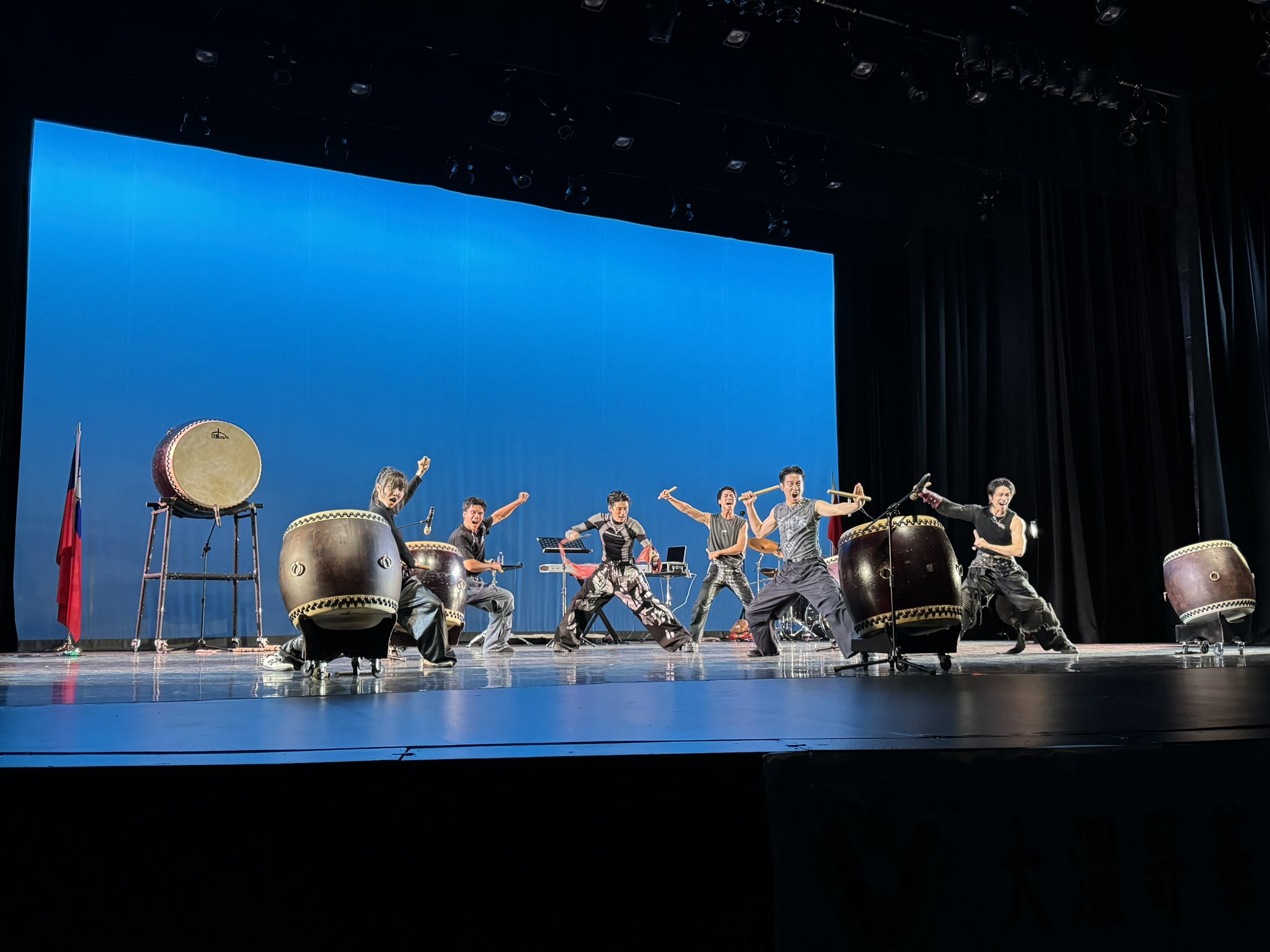
5月27日(星期二)晚间,在列治文的 Gateway 剧院彷佛一票看了两个团体的演出。由大温哥华台湾侨界联合会主办,Ten Drum Art Percussion Group 十鼓击乐团作为「台湾跃动」巡演的一部分登台演出。到了节目中段,这支戏剧张力十足的打击乐团——成员中还包括极具才华的唢呐、木琴与笛子演奏者——华丽变身为六人编制的硬式摇滚乐团。

多元创作者 Van Lefan 乐凡在第二张完整专辑中,汲取了她在谘商心理学系的学习经验。身为学生的她,深刻体会到写作在面对创伤与悲伤时的疗愈力量。

台湾漫画家、图像小说家阮光民 (Ruan Guang-min) 的作品中,从不见超级英雄击败邪恶势力的画面。他更喜欢透过笔下角色,刻画台湾庶民的心境、情感与价值观。
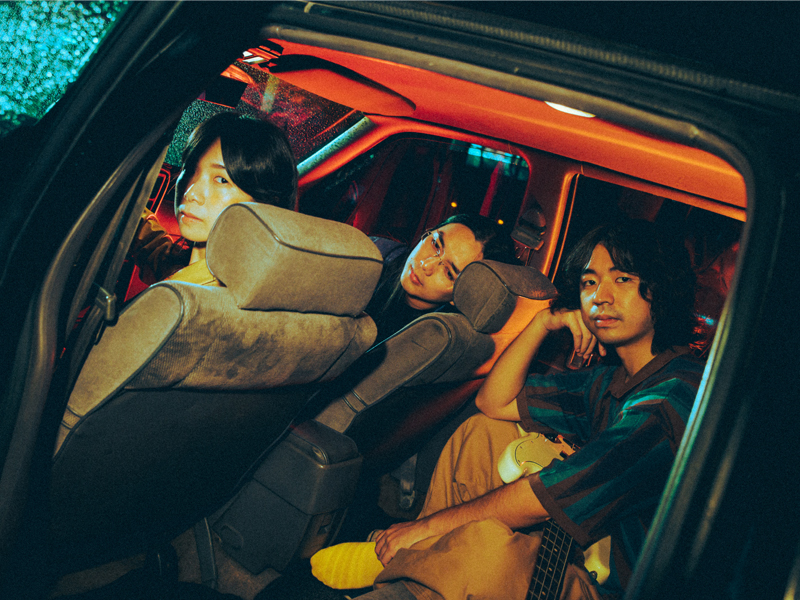
但对于台湾的音乐爱好者来说,「Lilium」一词有着完全不同的意义,在这个岛国,「Lilium」(百合花乐团)是一支有高度原创性的独立摇滚乐团,将多种音乐流派融入其巧妙的歌曲中,其中包括传统台湾音乐,如南管和北管,它们与节奏感强劲的吉他,贝斯及鼓组互相映衬。

西格蒙德·弗洛伊德最著名的案例研究涉及一位被他称为朵拉的 18 岁女孩,身为精神分析学创立者的他诊断她患有「歇斯底里症」(hysteria)。此外,透过梦境分析,佛洛伊德得出结论,她的病情是由被压抑的同性恋倾向而引发,她对曾向她求婚的一位世交的妻子产生了爱慕。

台湾导演兼艺术家许家维的2024年作品《在圣堂里的一场演出》以北台湾和平岛的考古挖掘现场为电影开场。考古学家在停车场下小心翼翼地将人骨上的泥块刷掉。镜头往上俯视,展示出古墓中数具已沈睡数百年的人骨。

在蔡英文当选台湾首位女总统的那一刻,美国电影制作人葛静文 (Vanessa Hope) 知道自己正在见证历史。2016年,蔡英文竞选总部胜选之夜,一幅大型电子看板用英文打出三个大字——“We Are Taiwanese.(我们是台湾人。)”

一开始,黄文英的电影《车顶上的玄天上帝》看似是关于一位现代台湾女性在忙碌的职业生涯和照顾生病父亲之间的挣扎。然而,这部史诗般的作品剧情不仅止于此。故事的中心人物芙月正在查找精神上的寄托,凸显了道教在台湾的持久影响。此外,深富想像力的对话展示了随着性别平等程度的增加,人际关系性质上的变化。导演也小心翼翼地涉足台湾历史的变幻莫测之海,却没有与潜藏在海浪下的大怪物正面接触。

