
Evan Adams 医师在《The Conversation》中深入剖析原住民社区成瘾问题的系统根源
历经疫情考验后,Dr. Evan Adams 更积极关注关键议题。这位海岸萨利希 (Coast Salish) 演员兼前省卫生副官,因而答应主持一部激励人心的纪录片系列,聚焦四位正在戒瘾康复的原住民。《The Conversation》(对话) 由 RealWorld Media 制作,并获 TELUS originals 授权播出。

历经疫情考验后,Dr. Evan Adams 更积极关注关键议题。这位海岸萨利希 (Coast Salish) 演员兼前省卫生副官,因而答应主持一部激励人心的纪录片系列,聚焦四位正在戒瘾康复的原住民。《The Conversation》(对话) 由 RealWorld Media 制作,并获 TELUS originals 授权播出。
歷經疫情考驗後,Dr. Evan Adams 更積極關注關鍵議題。這位海岸薩利希 (Coast Salish) 演員兼前省衛生副官,因而答應主持一部激勵人心的紀錄片系列,聚焦四位正在戒癮康復的原住民。《The Conversation》(對話) 由 RealWorld Media 製作,並獲 TELUS originals 授權播出。
Malcolm (right) tells Dr. Adams how he freed himself from drugs and alcohol by coming to terms with intergenerational trauma.

Loring wrote his first draft of the play a quarter-century ago when he was in the Studio 58 theatre program at Langara College.
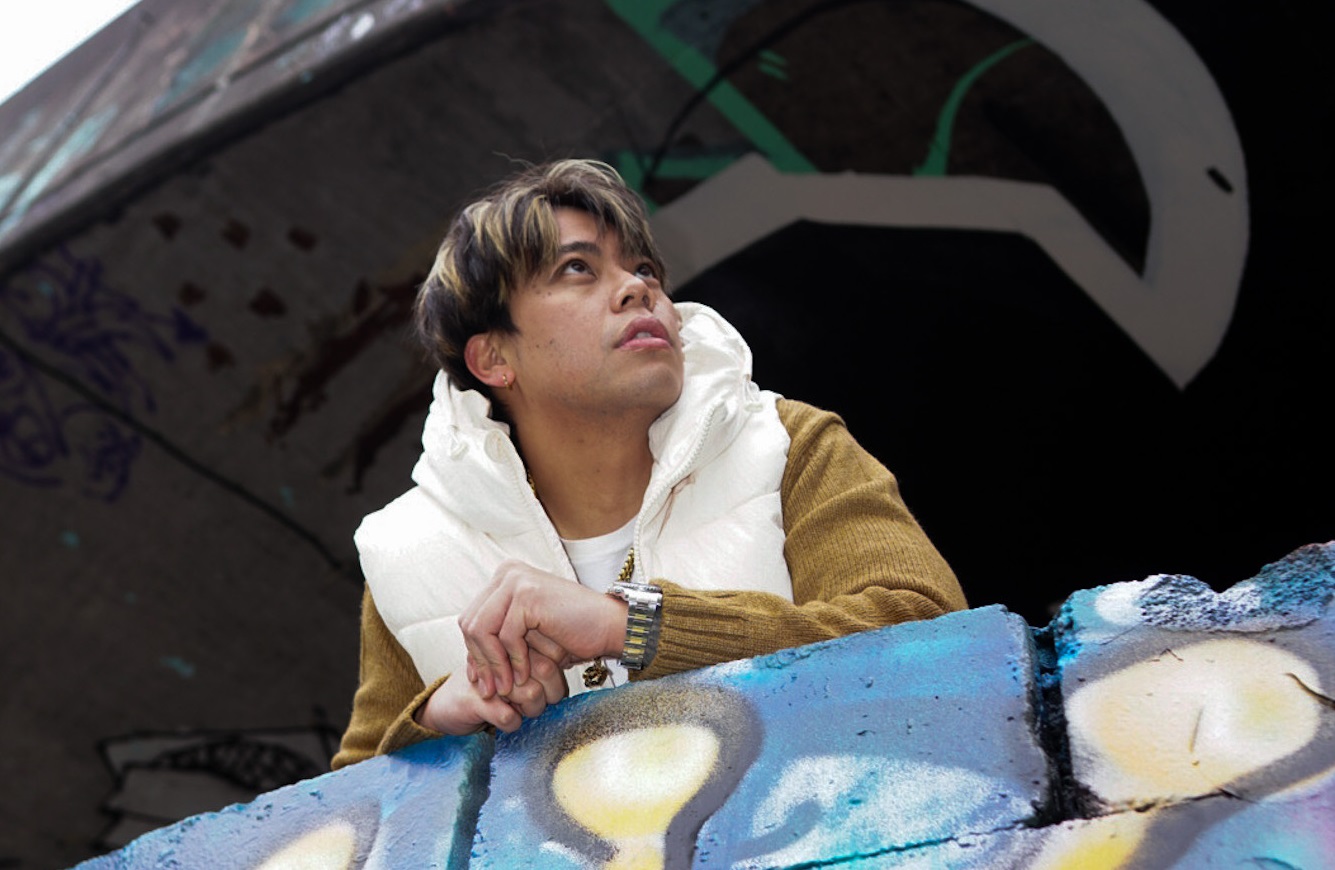
Raised in Burnaby, Arkieh used to tell people he was Chinese before embracing his Taiwanese Indigenous identity.
Kapa Arkieh 是位有著遠大夢想的溫哥華音樂家。作為一位富有魅力的表演者,他的目標是取得一定程度的成功,能使他為太平洋另一邊的原住民兒童改變世界。“我想利用音樂以及音樂帶來的資金,在台灣的村莊開設教育中心,” Arkieh 透過 Zoom 告訴 Pancouver。,“當我踏上這段旅程時,我意識到音樂確實救了我的命。”
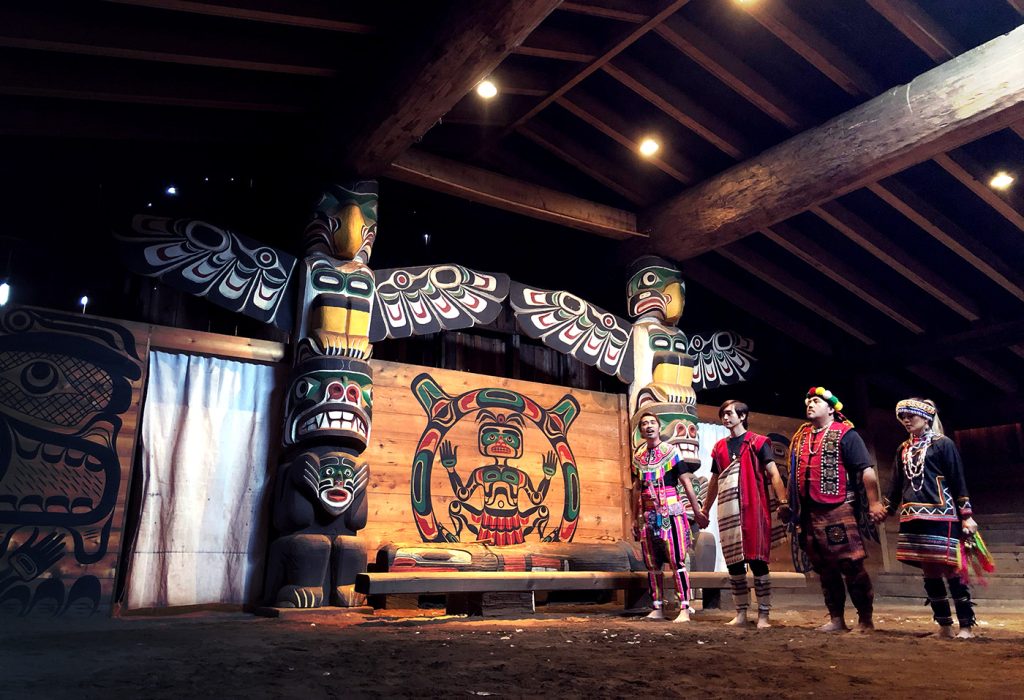
Les peuples autochtones au Canada et à Taïwan ont des choses certaines en commun, ce qui est peu connu dans les deux pays. Toutefois, un cinéaste autochtone taïwanais espère que son nouveau film documentaire, Identity: Lost and Found, améliorera la compréhension du public.
加拿大與台灣的原住民之間存在著一些鮮為人知的共同點,而一位台灣原住民電影製片人希望透過其最新紀錄片《找回原來的樣子》,來提高大眾對此的了解。
Suana Emuy Cilangasay, Masaw Ali, Vaqacun Kalevuwan, and Abus Tanapima visit a former residential school in Identity: Lost and Found.

在Yvonne Wallace开始为《útszan》(改善)进行采排前一天,她与母亲一同回顾了台词的读音。这演出的部份对白是以ucwalmícwts(人民的语言)来编写。她透过Zoom视频会议向Pancouver表示:「当时我们正在练习「q’a7」这个字(食物)的发音。这是非常短促,并以声门来发音的词汇。我以为自己懂得如何把它读出来。」她的母亲是精通ucwalmícwts的语言教师,当时亦有协助Yvonne掌握正确的读音。

