
Caught between culture and commerce: Canada’s high‑stakes trade clash with the United States
The protection and promotion of the French language and Canadian culture in all its forms remain an existential issue for the nation-state.

The protection and promotion of the French language and Canadian culture in all its forms remain an existential issue for the nation-state.

Vancouver TAIWANfest will screen Mata – The Island’s Gaze for free at 4:30 p.m. on September 6 in the 700 block of Granville Street.

The “Cherokee syndrome” is a phenomenon in which someone bases a shallow Indigenous identity on an unverified distant Cherokee ancestor.
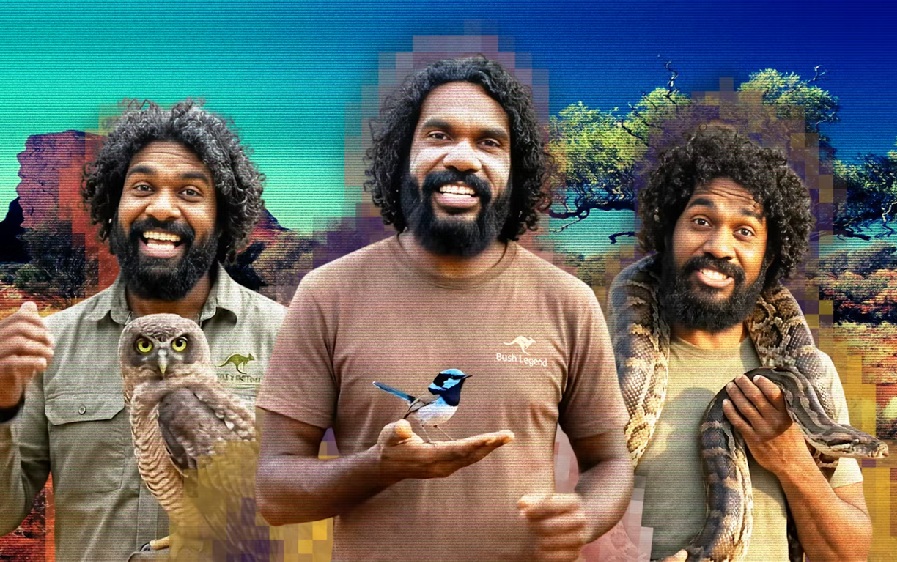
Aboriginal artist and broadcaster Destiny Deacon embraced “Blak” as a term of Indigenous empowerment long before the emergence of AI.
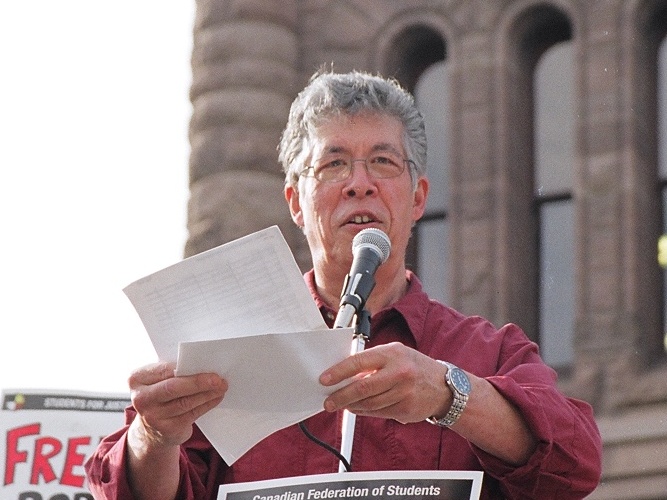
Many Indigenous cultures caution against the concept of “heroes,” which is rooted in western narratives that elevate people as saviours.
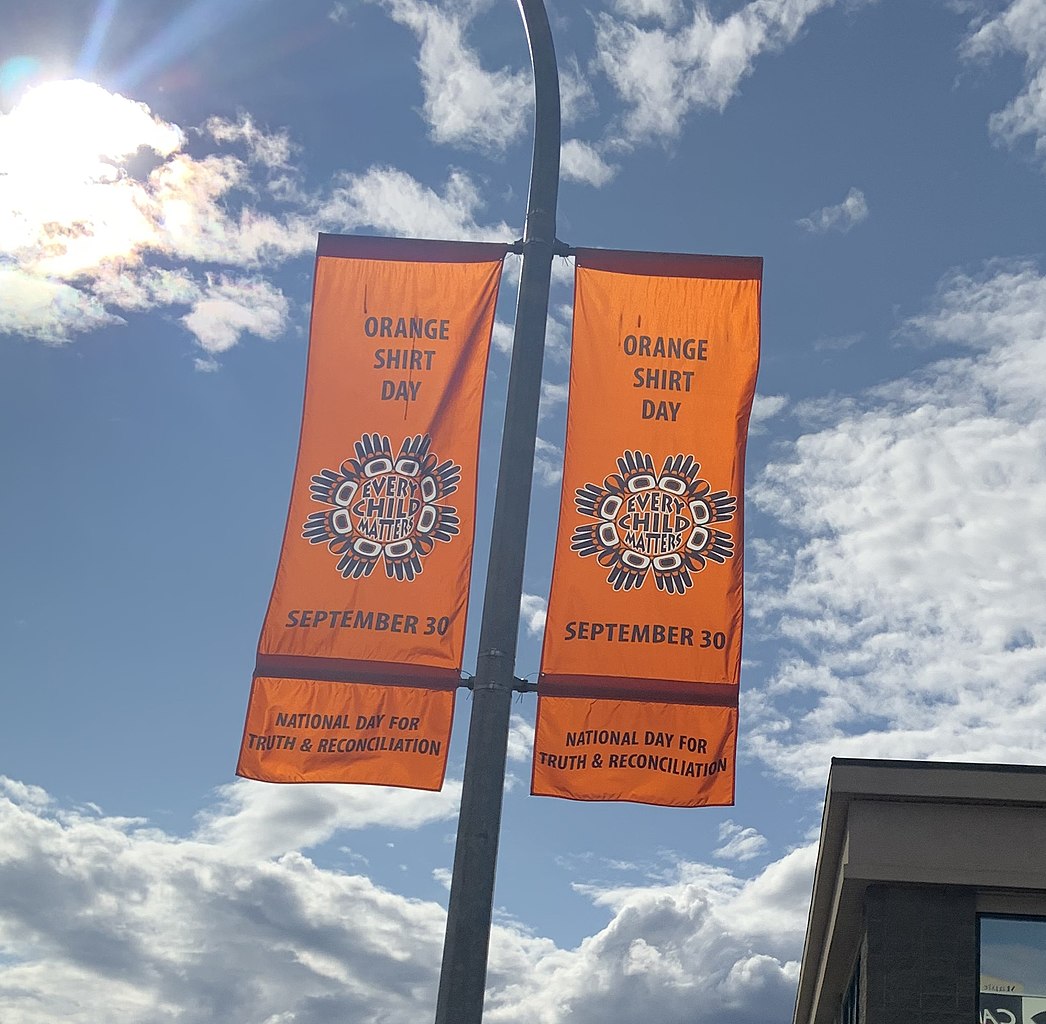
Residential school denialism, as historian Crystal Gail Fraser has outlined, is an attack on truth.
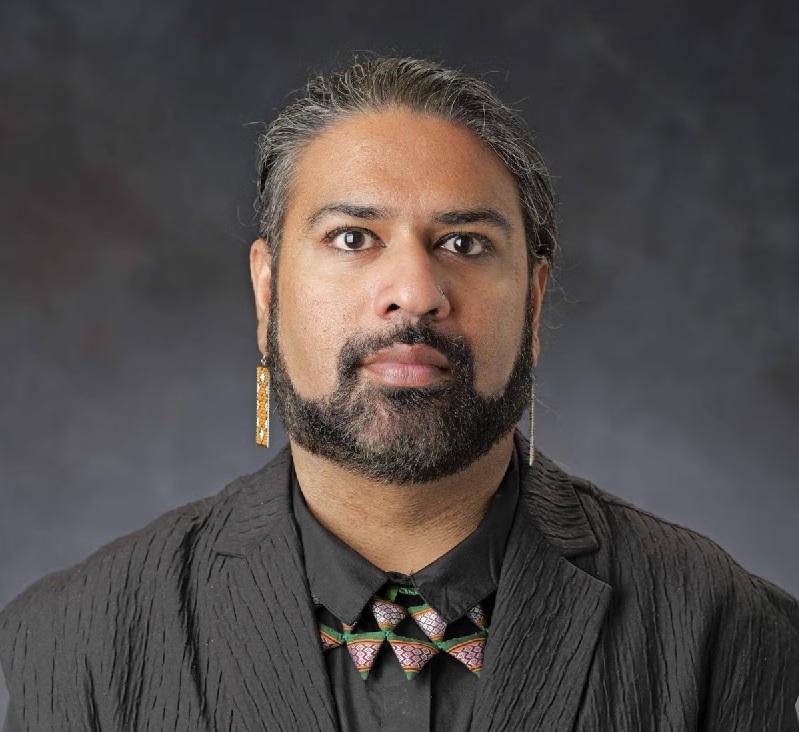
Upadhyay maintains in the book that some upper-caste immigrants perpetuate racial stereotypes.
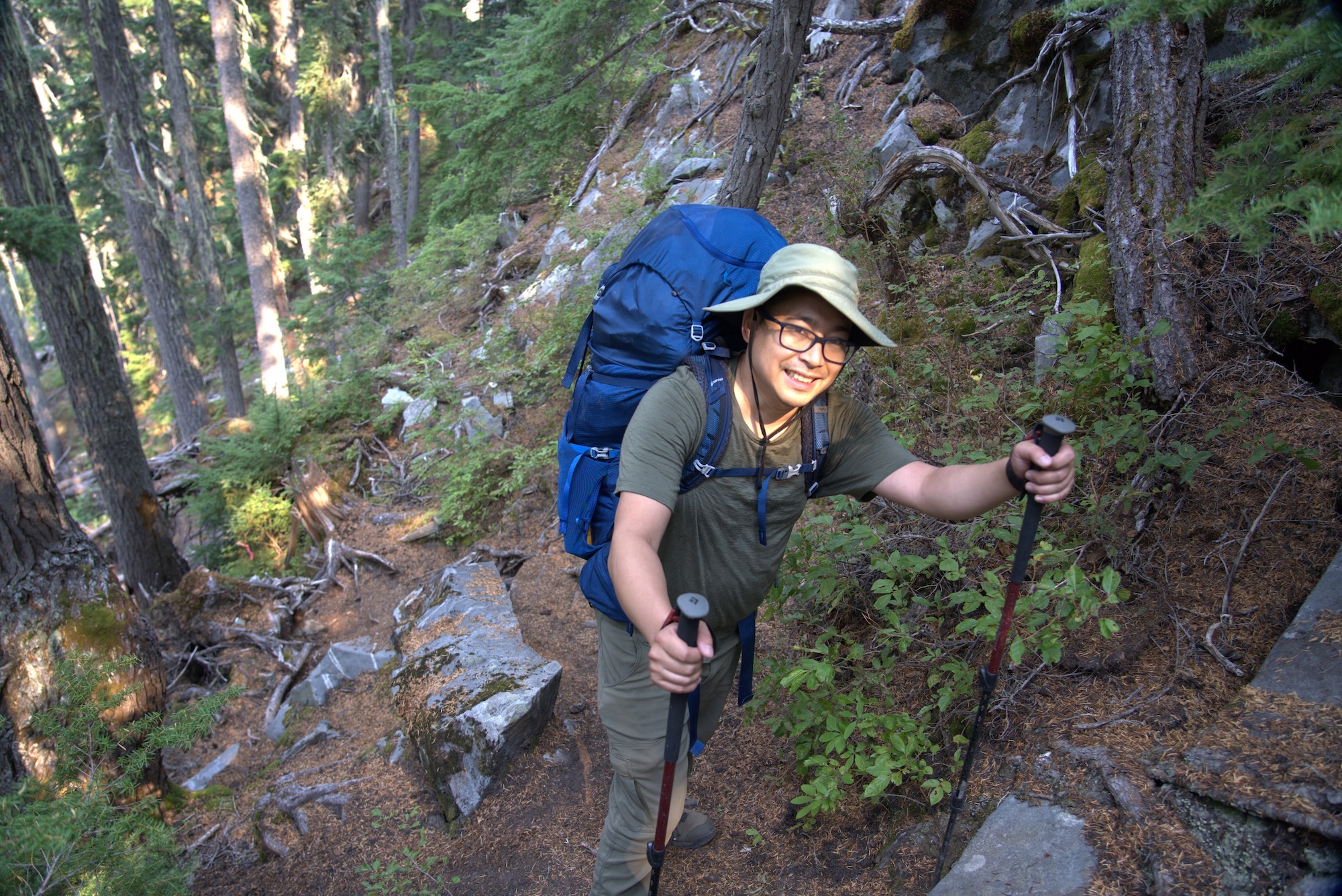
Hui’s second edition of 105 Hikes In and Around Southwestern British Columbia was published by Greystone Books.
當 Stephen Hui 還是高中生時,他就經常去爬山。那時他並沒有過多思考登山步道和原住民之間的連結。但到了大學,這位溫哥華作家開始對原住民權利漸感興趣。後來成為記者後,他才更深入思考戶外休閒活動和原住民文化復興之間的關係。
当 Stephen Hui 还是高中生时,他就经常去爬山。那时他并没有过多思考登山步道和原住民之间的链接。但到了大学,这位温哥华作家开始对原住民权利渐感兴趣。后来成为记者后,他才更深入思考户外休闲活动和原住民文化复兴之间的关系。

