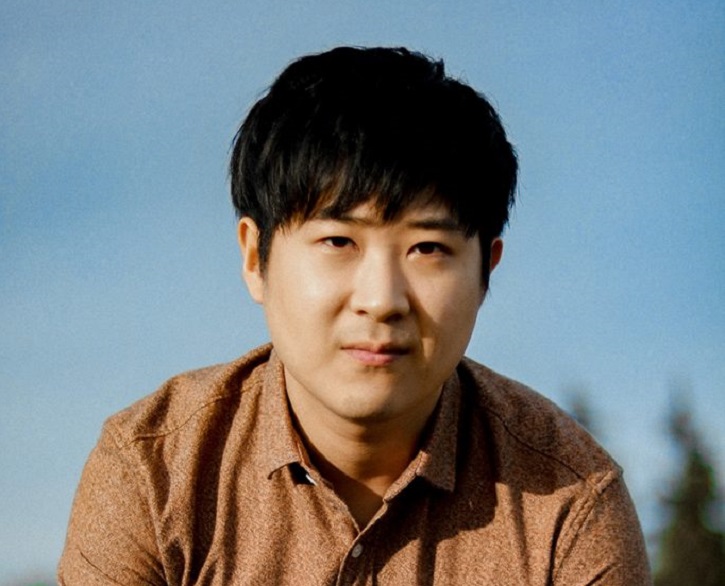
Two films that address Asian diasporic issues are among the movies honoured at the Vancouver International Film Festival. Jerome Yoo, director of Mongrels, won the Directors Guild of Canada’s Horizon Award for an emerging Canadian director. Yoo, who’s based in Vancouver, also wrote Mongrels. It’s about a Korean widower and his teenage son and young daughter living in rural Canada in the 1990s.
The father, Sonny (Jae-Hyun Kim), receives shelter in return for ridding the community of feral canines. His son, Harjoon (Da-Nu Nam), tries to figure out what it means to become a man as his sister, Hana (Sein Jin), longs for her mother.
“In their debut feature, this director created a beautiful portrait of a family experiencing grief in a new country and culture,” jury members Yi Jung Chen, Chris Chong Chan Fui, and Jamila Pomery concluded. “The director has a pointed authorship both aesthetically and emotionally. The tone was both poetic and surreal, speaking to the complexities of familial love and grief.”
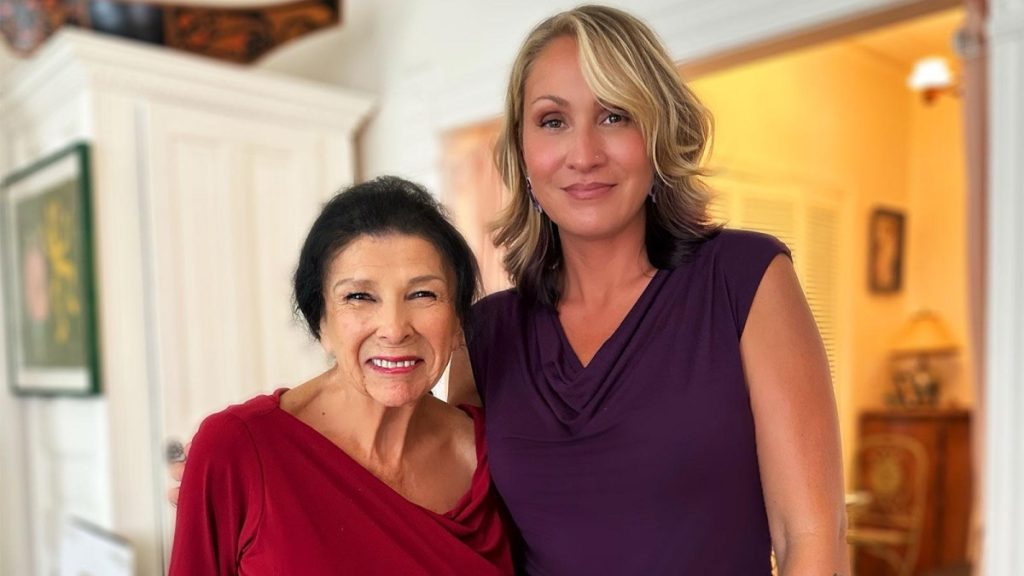
Meanwhile, Inay (Mama) won the Arbutus Award as the Best B.C. Film. Vancouver director Thea Loo created this landmark documentary. It explores the effects of the Live-in Caregiver program on two mothers and their adult children, who were separated for several years when they were kids. One of those adult children is Loo’s husband, Jeremiah Reyes, who was one of the film’s cinematographers.

Two VIFF juries praise Inay (Mama)
“This film offers a refreshing and layered lens on a familiar subject by showing the complexities of how flawed Canadian immigration policies impact families, intimate relationships, and people’s well-being,” declared jurors Jorge Amigo, Joella Cabalu, and Mila Zuo.
“Seamlessly weaving home videos, Super 8, and candid conversations, with glimpses of the hazy Philippine landscape, the director shows how memories of our homeland and unresolved trauma due to government enforced family separation are ever present and ongoing,” they continued. “With an uncontrived and restrained approach, this film models a pathway for healing and communication between loved ones across generations.”
Inay (Mama) also received special mention for the TIDES Award for Best Canadian documentary.
“This film dives deeply into the unspoken truths of intergenerational trauma. It holds nothing back, offering no comfort, only the space to confront inherited scars and the silence that surrounds them,” wrote jurors Ana Belén Asfura Fuentes, Rachel M’Bon, and Corey Payette.
Indigenous filmmaker Kim O’Bomsawin won the TIDES Award for We, the Children. She’s of Abenaki origin.
The entire list of award winners is available on the Vancouver International Film Festival website. This year’s festival concludes on Sunday (October 6).
Follow Pancouver on X (formerly Twitter) @PancouverMedia and on Instagram @PancouverMedia.