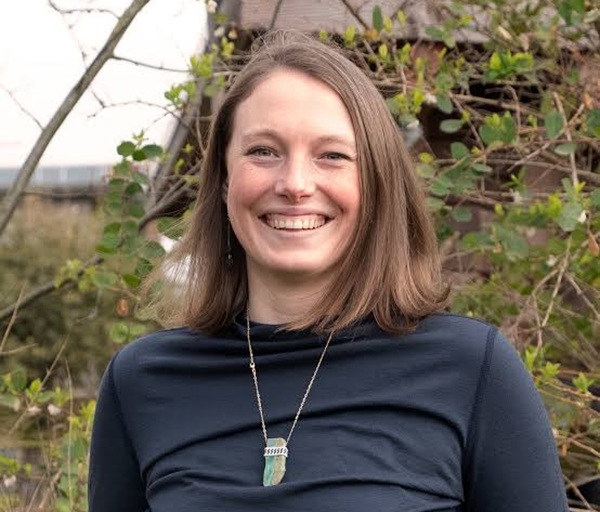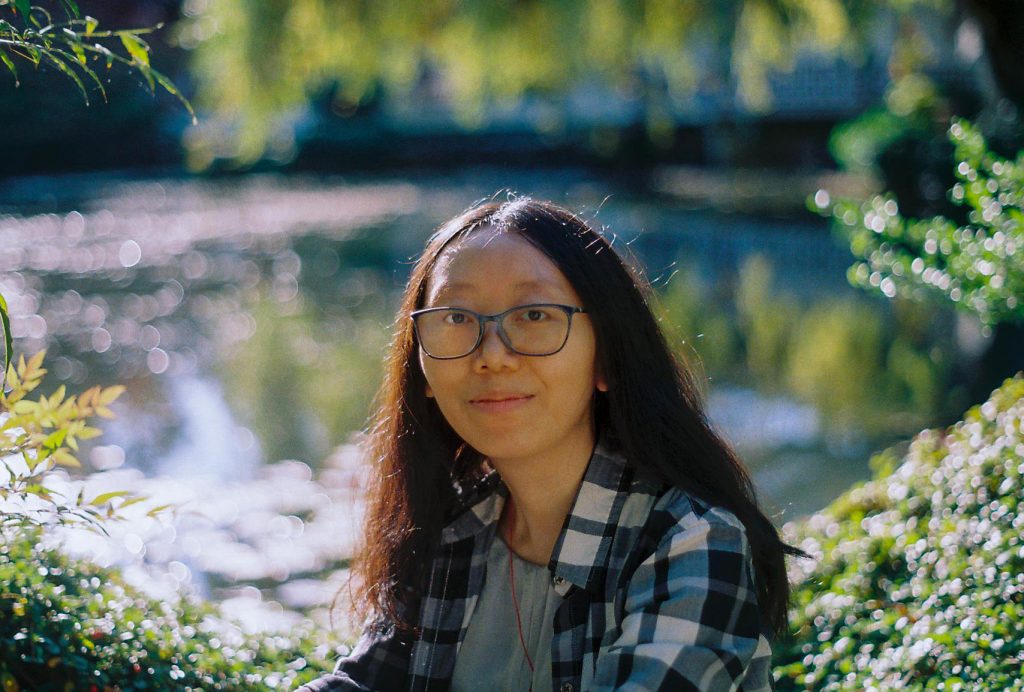
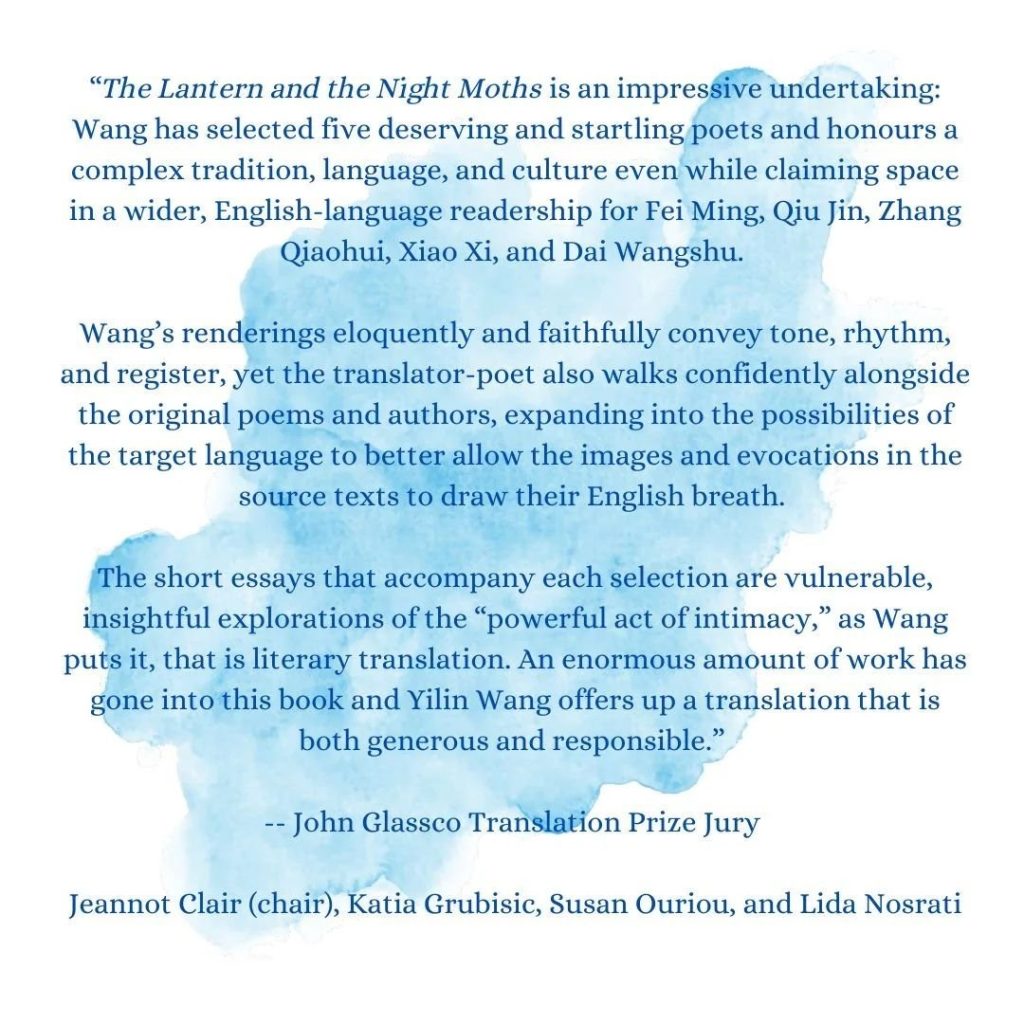
For the first time in its 43-year history, the John Glassco Translation Prize has gone to someone who translated literary works from an Asian language. Vancouver writer and poet Yilin Wang 王艺霖 achieved this distinction for The Lantern and the Night Moths (Invisible Publishing).
In her book, Wang translates works of five modern and contemporary Chinese poets into English. She also includes illuminating essays explaining why she selected each poet.
On November 14, Wang will participate in a Pancouver panel discussion at the Vancouver Central Library. (See event details at the bottom of this article.)
Over X (formerly Twitter), Wang thanked the jury and the Literary Translators’ Association of Canada. It awards the Glassco prize each year to a translator for their first book-length translation.
Wang also expressed gratitude to association member Alina Doricheva for helping jurors assess Wang’s translations of Chinese texts. In 2021, Doricheva translated Taiwanese author San Mao’s Stories of the Sahara into Ukrainian.
“Thank you to my publisher @invisiblebooks, editors Kess and Chenxin, and everyone who helped make this book a reality,” Wang tweeted. “Will post more photos from the event when I have them.”
Omg! The Lantern and the Night Moths just became the 1st translation from Chinese or any Asian language to win the John Glassco Translation Prize from The Literary Translators’ Association of Canada. 🤯 pic.twitter.com/WkIiLrqAQK
— Yilin @ The Lantern and the Night Moths (@yilinwriter) November 3, 2024
During the Vancouver Writers Fest, Pancouver profiled Wang as a “rising Vancouver literary star”. In The Lantern and the Night Moths, she translates poems by Qiu Jin 秋瑾, Zhang Qiaohui 张巧慧, Fei Ming 废名, Xiao Xi 小西, and Dai Wangshu 戴望舒.
Three finalists for Glassco prize
Wang’s writing has appeared in many publications in recent years. They include Clarkesworld, Fantasy Magazine, the Malahat Review, Grain, CV2, The Ex-Puritan, Toronto Star, and Words Without Borders, among others. She was born in the Chinese province of Sichuan and graduated from UBC’s MFA program in creative writing.
“I started realizing that a lot of the literature that I read and was exposed to was very Eurocentric and really focused on the western canon,” Wang told Pancouver last month. “Despite the fact that I am bilingual and grew up bilingual—and have been exposed to Chinese literature since I was quite young—it wasn’t really being taught in the classroom.”
She began reading more Chinese literature for inspiration. She also sought out translations. As a result, Wang realized that many translators were by western Sinologists who didn’t have her lived experience with Mandarin-language stories from childhood.
The Literary Translators’ Association of Canada describes itself as the “only organization representing literary translators in Canada”. Glassco was a Canadian poet, memoirist, and novelist who died in 1981.
One of the two other finalists was Denis Dumas for Les fantômes de Demmin (published by Actes Sud). He translated Die Gespenster von Demmin by Verena Kessler.
The jury selected Myriam Legault-Beauregard as the other finalist for De plâtre et de platine (published by L’Interligne). She translated The Most Precious Substance on Earth, by Shashi Bhat.
Event details
Yilin Wang 王艺霖 will participate in a free panel discussion at 6:30 p.m. on November 14 at the Vancouver Central Library. She will join three other speakers: Vancouver Asian Canadian Theatre managing artistic director Derek Chan 陳嘉昊, playwright Natasha Chew, and media artist, curator, filmmaker, DJ, and cultural producer Nancy Lee 李南屏. “How Identity Shapes Artistry” will take place in the Montalbano Family Theatre on Level 8. Charlie Smith will moderate the discussion in English as part of Pancouver and the Asian-Canadian Special Events Association’s Beyond Chinese project. Follow Pancouver on X @PancouverMedia and on Instagram @PancouverMedia.