溫哥華作家兼詩人王藝霖憑藉作品《燈與夜蛾》榮獲John Glassco翻譯獎

Yilin Wang by Divya Kaur
Yilin Wang 王艺霖 edited and translated The Lantern and the Night Moths, which is a finalist for the John Glassco Translation Prize. Photo by Divya Kaur.

[王藝霖編輯並翻譯了《燈與夜蛾》。照片由Divya Kaur攝。]

John Glassco翻譯獎在其43年的歷史中首次頒發給翻譯亞洲文學作品的作家,溫哥華作家兼詩人王藝霖憑藉作品《燈與夜蛾》(由Invisible Publishing出版)榮獲此殊榮。

在書中,她將五位中國現當代詩人的詩作翻譯成英文,並附上了深入淺出的文章,解釋她選擇每位詩人的原由。

11月14日,她將參加在溫哥華中央圖書館舉行的 Pancouver座談會。(活動詳情請見本文末尾。)

她在 X(前Twitter)上向評委會和加拿大文學翻譯協會表達了感謝,該協會每年都會將Glassco翻譯獎頒發給首次翻譯書籍的譯者。

她還感謝了協會會員Alina Doricheva在評委評估她的中文譯文時提供的幫助。2021年,Doricheva將台灣作家三毛的《撒哈拉的故事》翻譯成烏克蘭語。

她在推特上寫道:“感謝我的出版商@invisiblebooks,編輯 Kess 和 Chenxin,以及所有幫助這本書問世的人!活動結束後,我會分享更多照片。”

在溫哥華作家節期間,Pancouver 將王藝霖稱為“溫哥華文學新星”。在《燈與夜蛾》一書中,她翻譯了秋瑾,張巧慧,廢名,小西小西和戴望舒等人的詩作。

Glassco 翻譯獎三名決賽入圍者

近年來,王藝霖的作品發表於許多出版物,包括《Clarkesworld》,《Fantasy Magazine》,《Malahat Review》,《Grain》,《CV2》,《The Ex-Puritan》,《Toronto Star》和《Words Without Borders》等。她出生於中國四川省,並畢業於不列顛哥倫比亞大學創意寫作碩士課程。

“我開始意識到,我所閱讀和接觸的許多文學作品都是以歐洲為中心,關注的都是西方經典著作,” 她上個月在接受採訪時向Pancouver表示,“儘管我是雙語人士,從小就接觸雙語,並且熟悉中國文學,但課堂上並未真正教授這些內容。”

她開始閱讀更多中國文學作品以尋找靈感,同時也尋找譯本。她發現,許多譯者是西方的漢學家,而他們並不像她那樣從小就接觸過中文故事。

加拿大文學翻譯協會自稱是“唯一代表加拿大文學翻譯家的組織”。Glassco 是一位加拿大詩人,回憶錄作家和小說家,於 1981 年去世。

另外兩名入圍者之一是 Denis Dumas,他的作品《Les fantômes de Demmin》(《代明的亡靈》)由 Actes Sud 出版。他翻譯了 Verena Kessler 的《Die Gespenster von Demmin》。

評審團選定 Myriam Legault-Beauregard 為另一位決賽入圍者,她的作品是《De plâtre et de platine》(地球上最珍貴的物質),由 L’Interligne 出版。她翻譯了Shashi Bhat 所著《The Most Precious Substance on Earth》。
Yilin Wang
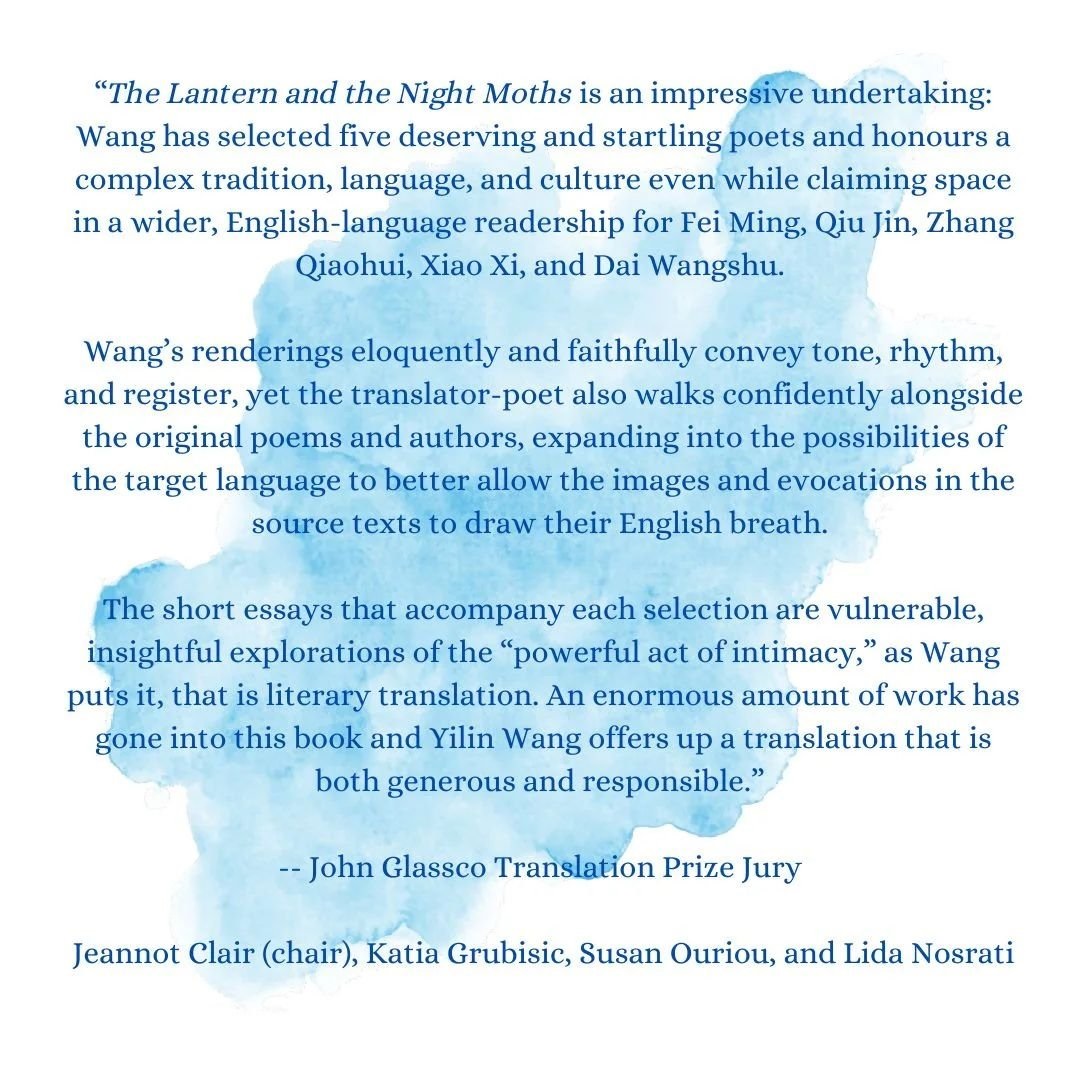
Read the jury citation for this year’s John Glassco Translation Prize.

[請閱讀今年John Glassco翻譯獎評審團的引文。]

閱讀原文 >> 點此連結

立即行動

Pancouver 激發創造力並促進一個更具包容性的社會。請支持我們關注多元的藝術家!來自加拿大境內的捐款可獲得稅務收據。

分享這篇文章

精選華文翻譯文章

Photo by Guillaume Jaillet.

卑詩大學學生反思加拿大研究觀點以建立認知失衡

20世紀心理學家尚·皮亞傑(Jean Piaget)以「認知失衡」(cognitive disequilibrium)一詞來解釋孩子邏輯及推理的發展。當他們未能憑著現有知識去理解眼前的新處境或任務,就會產生失衡。然而,皮亞傑表示可以透過突破來重建平衡。當孩子將新資訊消化或據此作出調整,便會經歷突破,重新掌握之前的平衡感。

繼續閱讀 »

The Society of We Are Canadians Too created Pancouver to foster greater appreciation for underrepresented artistic communities. A rising tide of understanding lifts all of us.

We would like to acknowledge that we are gathered on the traditional and unceded territories of the Coast Salish peoples of the xʷməθkwəy̓əm (Musqueam Indian Band), Skwxwú7mesh (Squamish Nation), and Səl̓ílwətaɬ (Tsleil-Waututh Nation). With this acknowledgement, we thank the Indigenous peoples who still live on and care for this land.

This project is funded in part by the Government of Canada.

The Society of We Are Canadians Too created Pancouver to foster greater appreciation for underrepresented artistic communities. A rising tide of understanding lifts all of us.

We would like to acknowledge that we are gathered on the traditional and unceded territories of the Coast Salish peoples of the xʷməθkwəy̓əm (Musqueam), Skwxwú7mesh (Squamish), and Səl̓ílwətaɬ (Tsleil-Waututh) Nations. With this acknowledgement, we thank the Indigenous peoples who still live on and care for this land.

Enjoying Pancouver?

Independent arts journalism needs readers like you!

If you value stories like this, please consider supporting Pancouver.