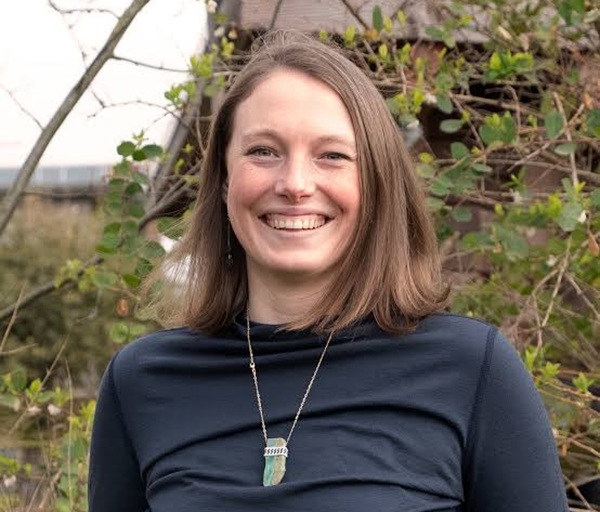
When Premier David Eby decided to shuffle his new cabinet this summer, Anne Kang learned that she would have a new position.
“I was super-excited when the premier gave me a call and asked if I would like to be the new Minister for Tourism, Arts, Culture and Sport,” Kang tells Pancouver over Zoom. “It was something I had always had a keen interest in.”
Prior to becoming an MLA in 2017, Kang was a music teacher, so she already had an appreciation for arts and culture. She recalls that as a teacher, she encouraged students to think more about just themselves and academics. Kang also wanted them to become participants in the community and feel confident about who they are.
The Burnaby Centre MLA is also delighted to be minister of sport, noting that she participated in track and field events from Grades 4 to 7.
“When I became a teacher and I was a coach for track, there were no field sports anymore,” Kang notes. “But I am very familiar with how sports really empower youth to find confidence in themselves, be a team player, and becoming a volunteer.”
Prior to holding down three different cabinet posts—most recently minister of post-secondary education and future skills—she was parliamentary secretary for multiculturalism. Kang was born in Changhua County in Taiwan and immigrated to Burnaby with her family as a nine-year-old. For many years, the Mandarin-speaking Kang has been attending different cultural festivals, demonstrating her commitment to inclusion.
“I look forward to engaging with diverse communities to help advance important initiatives, such as the Filipino Cultural Centre and also the development of the Canadians of South Asian heritage museum,” Kang states.
Kang wants to promote B.C. to the world
Moreover, she understands how arts, culture, and sports can drive tourism.
“As we all know, British Columbia is a world-class destination,” the minister says. “We live here, and we love it here, and so I would like to really showcase tourism as one of our major economic-driving industries. Tourism is one of our largest employers for small business generators. It creates good jobs in every region of the province, and something that I [will] really work hard to promote.”
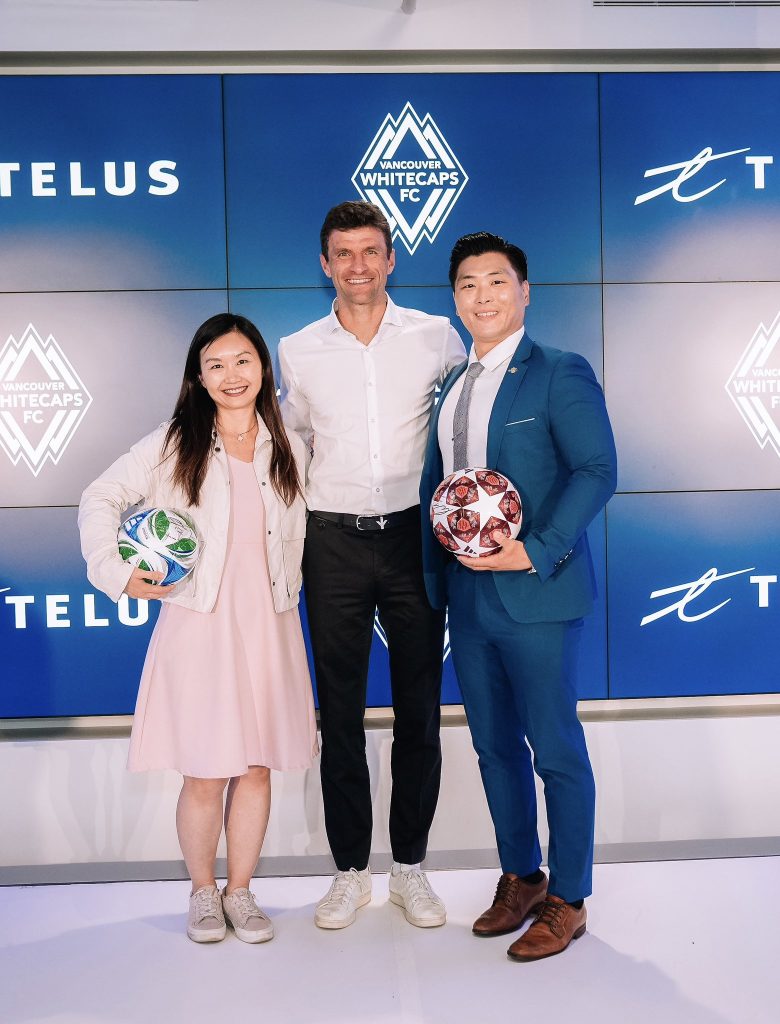
In underscoring this point, the minister rattles off some numbers. She mentions that the tourism industry generated $22.1 billion in revenues in 2023 and contributed $9.7 billion annually to the provincial gross domestic product. She believes that the 2026 FIFA World Cup can play a key role in promoting B.C. on a global scale. Vancouver will host seven matches, including two in the knockout stages.
“As we look to the world’s largest single sporting event, this is an amazing opportunity for us to strengthen our reputation as a prime destination for tourists all around the world,” Kang declares.
When asked for her top priorities as minister, she first mentions the role that her ministry can play in growing the economy by creating good jobs throughout the province. She feels that this can bring certainty to workers and the economy. In addition, Kang emphasizes, this economic growth can generate the wealth needed to support essential services that British Columbians rely on.
“The arts sector contributes to a sustainable economy, encouraging creativity, and—this is my teacher hat on—the innovation across sectors and in our workforce,” the minister notes.
Kang pledges continued support for arts and culture
One of her priorities is to support events. Kang points out that they bring economic benefits and support local communities while enhancing local tourism offerings. A third priority is improving infrastructure, such as the development of community centres and arts and cultural facilities. As a former Burnaby city councillor and former minister of municipal affairs, she understands challenges faced by local governments.
The Ministry of Tourism, Arts, Culture and Sport service plan allocates nearly $44.87 million to arts and culture. This includes $4.23 million to the BC Arts and Culture Special Endowment Fund. The ministry’s three-year service plan includes a small increase of $151,000 in each of the next two fiscal years.
“My ministry will continue to support arts and culture, and we will work very hard with the sector to enhance the economic growth,” Kang insists.
In particular, this entails building “on the momentum by creating cultural spaces in B.C.” One such example is a collections and research facility that the government is creating in partnership with the Royal BC Museum at the PARC Campus in Colwood.
Furthermore, Kang says that the province is committed to continue the Arts Infrastructure Program through the B.C. Arts Council. And the government is maintaining the Community Gaming Grants program, which distributes $140 million annually to nonprofit organizations to support completion of capital projects.
“It is absolutely one of my passions to continue to support this, so I hope the community will have confidence in their minister, as she comes from the arts world as well,” Kang says. “And I will continue to support communities throughout B.C. to host events that bring visitors to our province.”
Follow Pancouver on X @PancouverMedia and Bluesky @pancouver.bsky.social. Pancouver is also on Instagram @PancouverMedia.