Jon Chiang 蒋樂輝 says that his new documentary is really about universal and profound family relationships. Spring After Spring revolves around three remarkable sisters from Vancouver: Anabel Ho 何翠賢, Val Ho 何慧賢, and Lisa Ho 何淑賢. They share how their deceased Macau-born mother, Maria Mimie Ho 何李美薇, left such a large imprint on their lives.
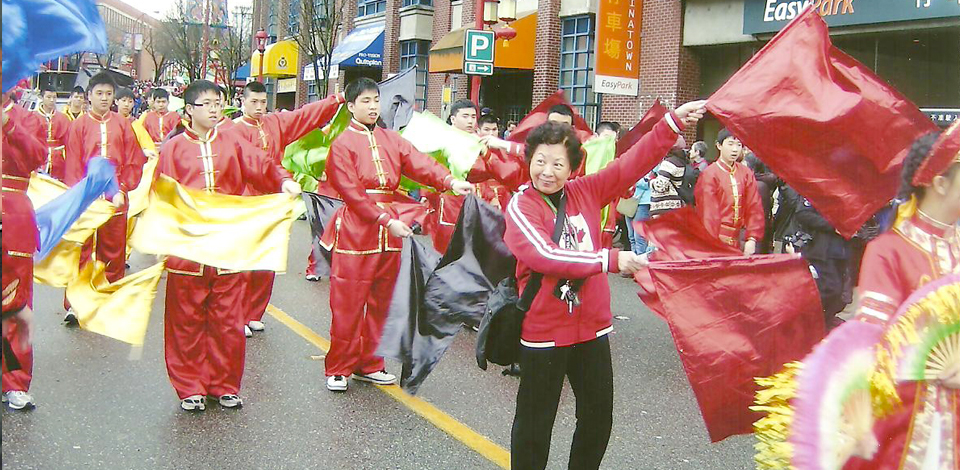
It’s all set against the backdrop of the annual Vancouver Chinatown parade, which their dynamic mother co-founded back in 1974.
“That’s the story I’ve been trying to tell—showing the journey and struggle of how we carry our legacies in our family—and what it means to move through grief,” Chiang tells Pancouver over Zoom.
In 1973, Mimie established the Strathcona Chinese Dance Company as the only free Chinese dance program for children and teenagers. Her dance students performed in every Chinese New Year parade until her death in 2016.
“We’ll do the dance in spite of the rain,” Mimie says in one old TV news clip near the start of the film. “Red Lillies Crimson and Bright is the name of the dance.”
Chiang learned about Mimie through the film’s associate producer, Phil Planta, who grew up knowing the sisters. His cousin, Peter Planta, is the director of photography.
“We’ve kind of been in the same orbit for many years,” Chiang notes. “When I first heard of their mother, I thought ‘what an incredible person she was—what a force in the community!’ And her story hadn’t ever been told.”
Last November, the Vancouver Asian Film Festival honoured Spring After Spring as its Best Canadian Feature Film. Following a special screening at the Chinatown Storytelling Centre on February 1, the film will have its theatrical debut on February 6 at the VIFF Centre.
Daughters drawn to dance as adults
Spring After Spring documents how the three sisters reunite to lead the Chinatown Parade after their mother’s death. The film is full of heartfelt reflections about how their mother became a self-taught dance instructor and contributed so much through sheer determination.
“It’s incredible how difficult it was to find this woman on camera,” Chiang reveals. “It’s like she didn’t want to be on-camera. We went through hundreds of tapes that got digitized.”
He eventually came across Super 8 footage taken by her husband Desmond at a family gathering. The camera pans toward Mimie, who conveys the impression that he should put the camera away.
“That makes sense why it was so hard to find these shots of Mimie,” Chiang states.
As adults, each of the three sisters has embraced their mother’s love for dance in different ways.
“She is always in my thoughts—[in] all the decisions that I make, I hear her,” eldest daughter Anabel says in the film. “She is guiding us every step of the way.”
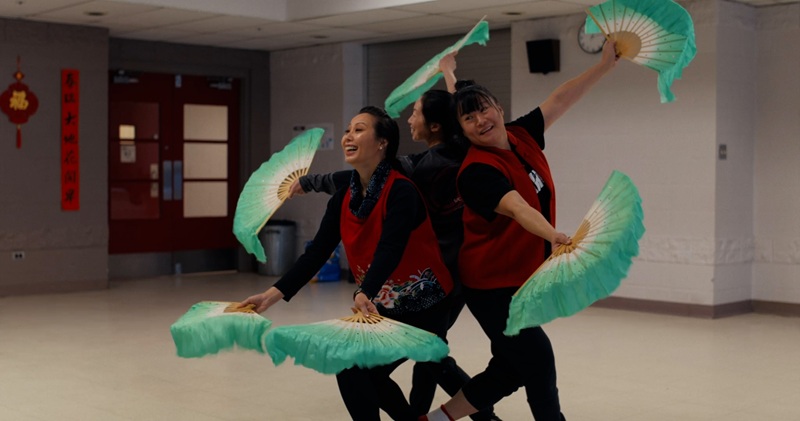
Anabel founded the Vancouver Academy of Dance where she carries on her mother’s legacy as an instructor.
Middle daughter Val became a celebrated hip-hop dancer in New York. She become the first hip-hop instructor at the prestigious Juilliard School.
Meanwhile, the youngest daughter, Lisa, performed in Broadway hits such as Mama Mia, Shrek, and Chorus Line before returning to Vancouver.
Each offers stunningly frank and often deeply emotional recollections of their interactions with Mimie. At times, these tales highlight key intergenerational differences between an immigrant mom and her Canadian-born kids.
“That clash of cultures—of Canadian culture versus a more conservative Chinese culture—is just like my entire youth,” Chiang confesses. “That was one of the places where I was trying to find those moments of universality that people from all walks of life could relate with—and see their own families in that.”
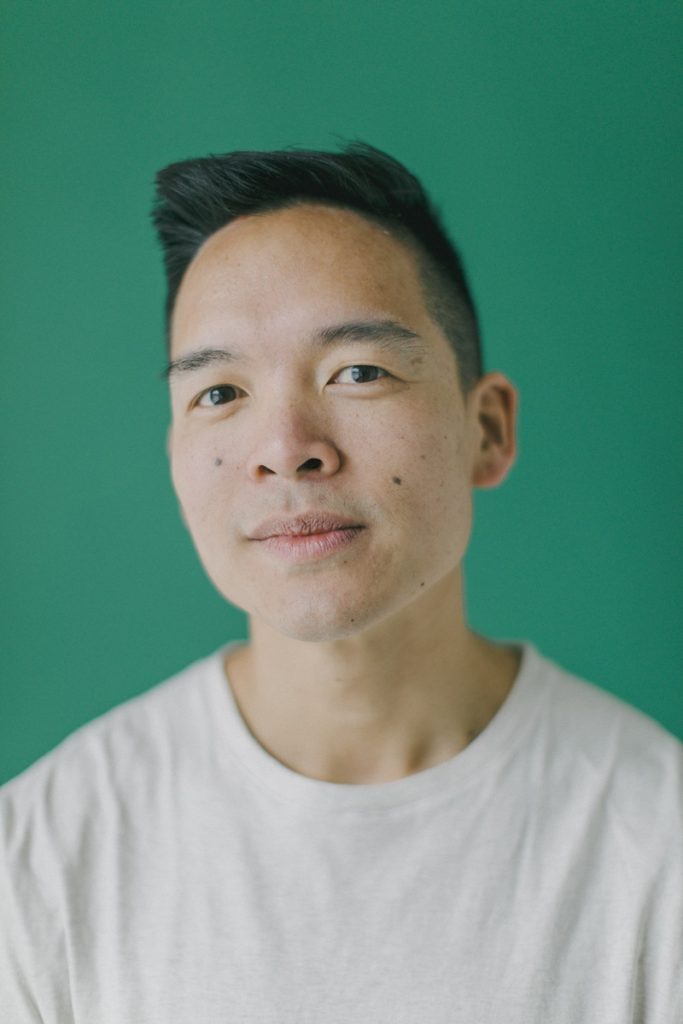
Chiang wondered how he fit into society as a child
As a film director, the Canadian-born Chiang has a keen interest in the topic of identity. His parents were born in Lima, Peru, whereas his grandparents are from southern China.
As a result, Chiang grew up speaking Spanish, Cantonese, and English. Yet as a child, he felt that he couldn’t express who he was to his peers. At times, he even questioned if he was Chinese, Peruvian, or Canadian, wondering if he fully fit into any of these groups.
“That experience of growing up has really created the way I see the world,” Chiang says.
It has also given him tremendous empathy for others who struggle with intersecting identities.
“I’ve been told I have a way of just allowing people to feel a sense of safety—or just openness and sharing,” Chiang acknowledges.
In Spring After Spring, for example, the three sisters reveal some of their deepest feelings regarding their mother. The director emphasizes that much of this only occurred after he had spent three years getting to know them and building relationships.
“I’m just really grateful that they were all game to stick with this project for so long,” Chiang relates, “and trust myself and the team that we could do the best job with telling their story and their mom’s story.”
The Chinatown Storytelling Centre will present a screening of Spring After Spring at 2 p.m. on February 1. It will be followed by a Q&A with co-producer Joanna Wong and the three sisters in the film: Anabel Ho 何翠賢, Val Ho aka Ms.Vee 何慧賢, and Lisa Ho 何淑賢. For more information and tickets, visit the Chinatown Storytelling Centre website.
The VIFF Centre will present five screenings of Spring After Spring between February 6 and 17. For showtimes and tickets, visit the VIFF Centre website. Follow Pancouver on X @PancouverMedia and Instagram @PancouverMedia.