

One of the largest tall ships in the world will anchor the Ships to Shore Festival in Richmond. The Kaiwo Maru, a.k.a. the King of the Sea, is 361 feet long, stands 182 feet high, and boasts 36 sails totalling 30,000 square feet. Following a month-long voyage across the Pacific Ocean, the vessel will dock in Steveston for the free festival, which takes place from 10 a.m. to 5 p.m. on May 2 and 3.
“Ships to Shore will celebrate Richmond’s unique coastal history and draw visitors from across the city and beyond to experience this remarkable vessel up close, alongside live entertainment, local artists, and vendors,” said Mayor Malcom Brodie in a news release.
The Japan Agency of Maritime Education and Training for Seafarers operates the Kaiwo Maru. Built in 1989 and based in Yokohama, the ship last visited Richmond in 2017, drawing 75,000 visitors.
The Ships to Shore Festival also includes three stages in Garry Point Park. One of the acts, the Coco Project, is an all-Filipino seven-piece show band. It will perform in the Neptune Stage, as will the headliners, Cookin’ With Brass.
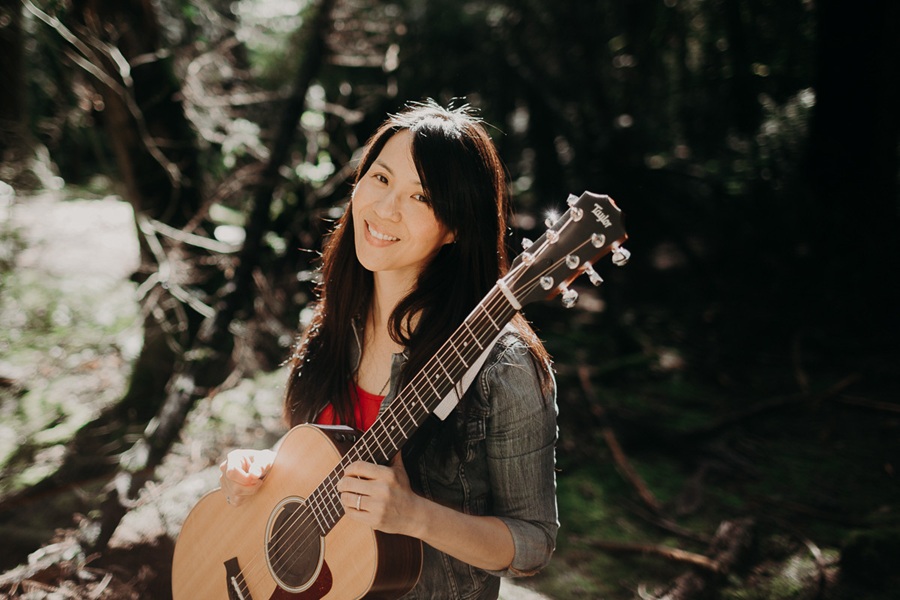
Ships to Shore features family-friendly music
Over on the Dockside Stage, the festival will present two singer-songwriters who are nominated for a Canadian Folk Music Award for Children’s Album of the Year. Family folksinger and five-time Juno nominee Ginalina is a finalist for a Canadian Folk Music Award for the sixth time in this category for All the Earth Speaks. She took home the prize in 2024 for Going Back: Remembered and Remixed Family Folk Songs. Oh Clementine, a.k.a. Jessie Schellenberg, is nominated for One Thousand Mornings. The winners will be announced later this month.
Meanwhile, the festival’s Oracle Stage will host youth and community groups, including Richmond-based rockers The Buttery Biscuits.
In addition to music, Ships to Shore will feature a dedicated area for children and youths called Kid’s Cove. Paula Nishikawara will lead workshops on the traditional art of gyotaku, a Japanese art form for printing fish. Those keen to learn Japanese origami can seek guidance from Aiko Matsushiba. And J Peachy’s ArtCart will be on site for those interested in hand-sanding and personalizing nautical wood carvings.
The City of Richmond will present Ships to Shore: Kaiwo Maru at Garry Point Park from 10 a.m. to 5 p.m. on May 2 and 3 in Steveston Village. For more information, visit the festival website.
Follow Pancouver on Bluesky @pancouver.bsky.social, on X @PancouverMedia, and on Instagram @PancouverMedia.




