
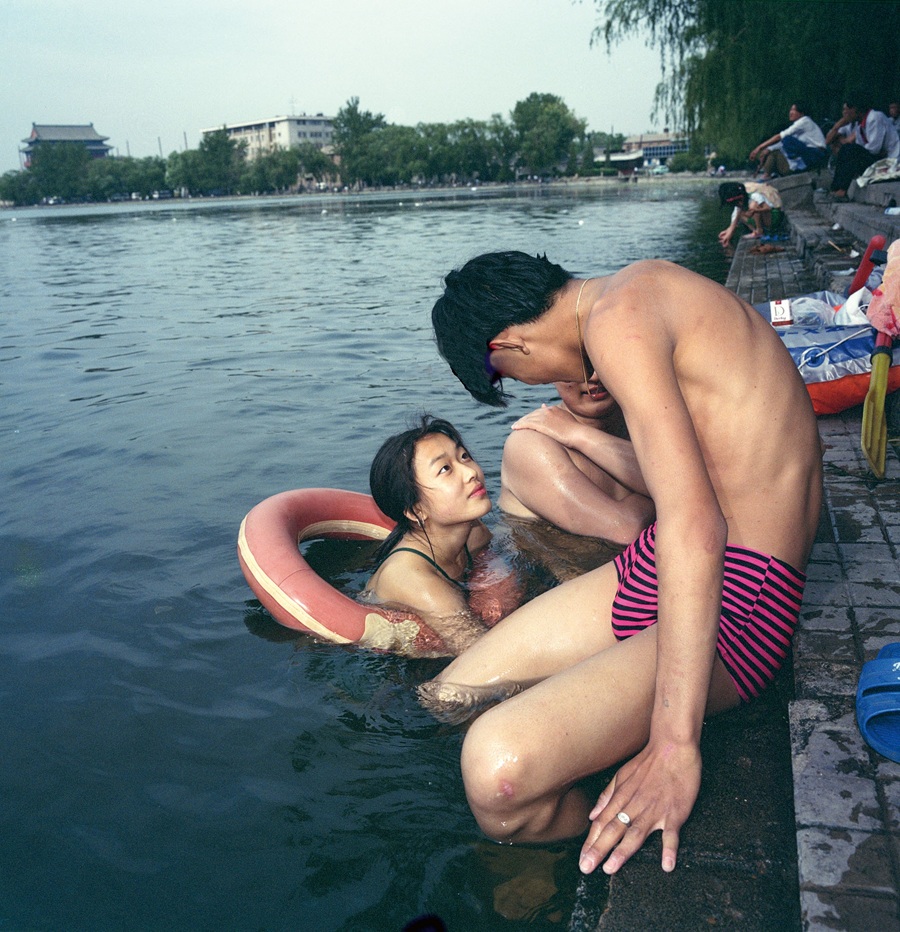
By the time that Greg Girard took a photograph of a young Beijing swimmer’s gaze in Summer of 1995, he was already an old hand in Asia. That’s because the Vancouver photographer did something unusual in the 1970s for a kid born in Vancouver—he chose to settle in Asia. He was hooked after taking his first trip to Hong Kong in 1974 and his first trip to Tokyo in 1976.
Girard ended up spending 30 years overseas—living at separate times in Tokyo, Hong Kong, and Shanghai—before returning to Vancouver in 2011.
Several photographs from these eras are included in the Polygon Gallery’s first institutional survey of his work, entitled Greg Girard. The exhibition will be at the North Vancouver public gallery from July 10 to October 25.
Gallery director Reid Shier and Elliott Ramsey co-curated Greg Girard.
“When people think of Greg Girard, they often call to mind images of urban settings at night, long exposures, empty streets, and neon lights,” Ramsey says in a news release announcing the exhibition.
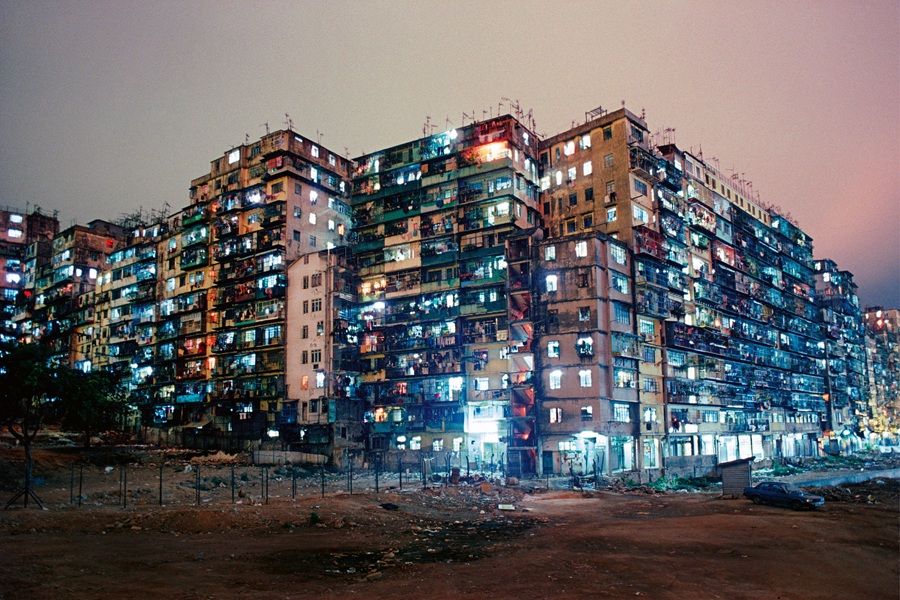
Girard photos featured in new book
“His reputation for photographing cities in transition is so established that what often gets left out of the conversation is how excellent he is as a portraitist,” Ramsey continues. “He is masterful at photographing people and portraying a city through its inhabitants. In this exhibition, visitors will be able to not only experience the honing of his vision, but also get a sense of how he moved through the world.”
In Hong Kong, Girard often went out at night, taking pictures of grittier, neon-lit parts of the city. Many are included in his photobook HK:PM. Hong Kong Night Life 1974-1989.
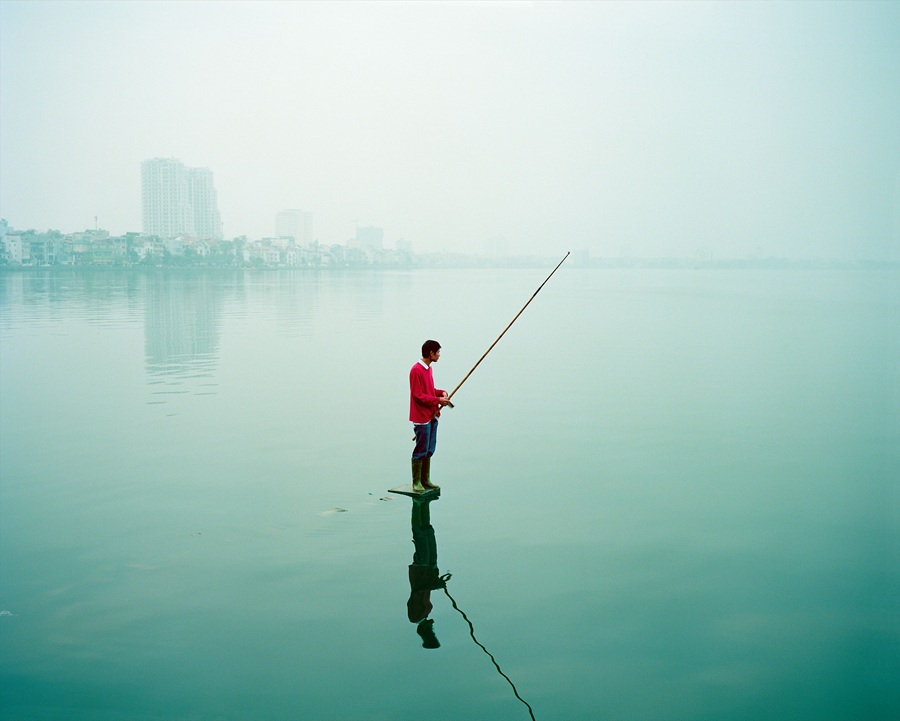
Girard is also the author of the photobook JAL 76-88, showcasing his images of Japan before its economic bubble burst. Yet another Girard photobook, Phantom Shanghai, documented the urban landscape of China’s second-most populous city in the midst of a monumental transition. He also authored photobooks on Vancouver, Hanoi, Kowloon
The exhibition opening will coincide with the launch of the artist’s newest photobook, Greg Girard – Photographs 1972–2026.
To learn more about exhibitions at the Polygon Gallery, visit the website. Follow Pancouver on X @PancouverMedia and Bluesky @pancouver.bsky.social. Pancouver is also on Instagram @PancouverMedia.




