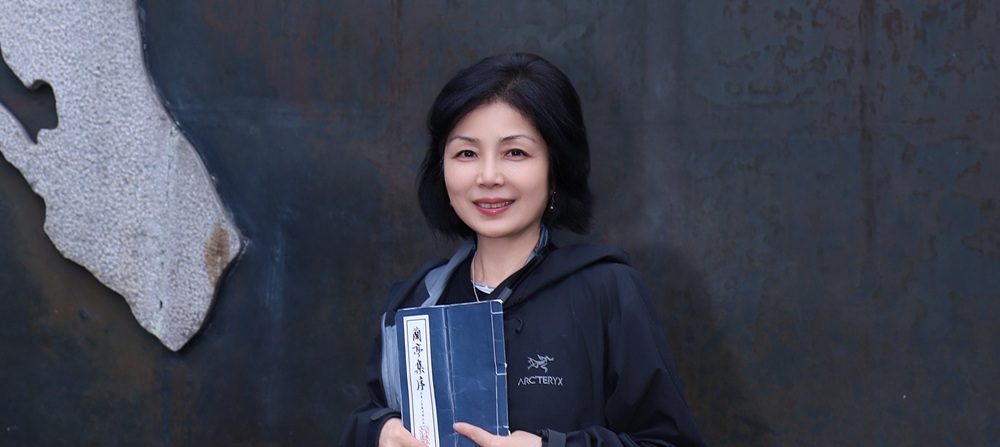
Cathy Xinman: For the Sake of Loving You
“For the Sake of Loving You” joins the conversation on artificial intelligence, but through lyrical beauty rather than cold philosophy.

“For the Sake of Loving You” joins the conversation on artificial intelligence, but through lyrical beauty rather than cold philosophy.

Xinman’s newest poem, “Christmas Eve”, is a meditation on stillness, listening, and the quiet birth of peace.

In “The Ache of Solitude”, the Canadian poet explores the fragile border between connection and isolation.
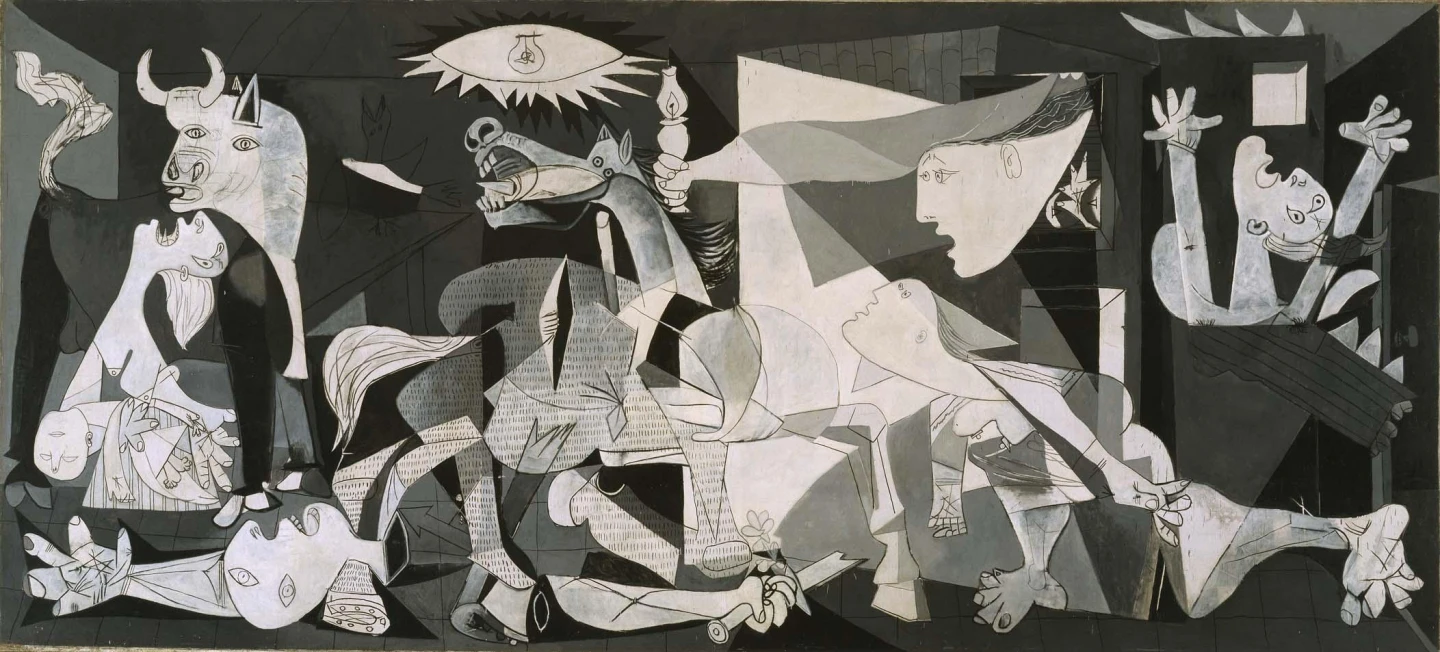
Xinman has written an ambitious art poem, inspired by Picasso’s Guernica painting as its spiritual ignition point.

“Child of the Rose” is a meditation on love as both creation and surrender.

Remember the last time you walked through fallen leaves and heard that distinctive rustle beneath your feet?
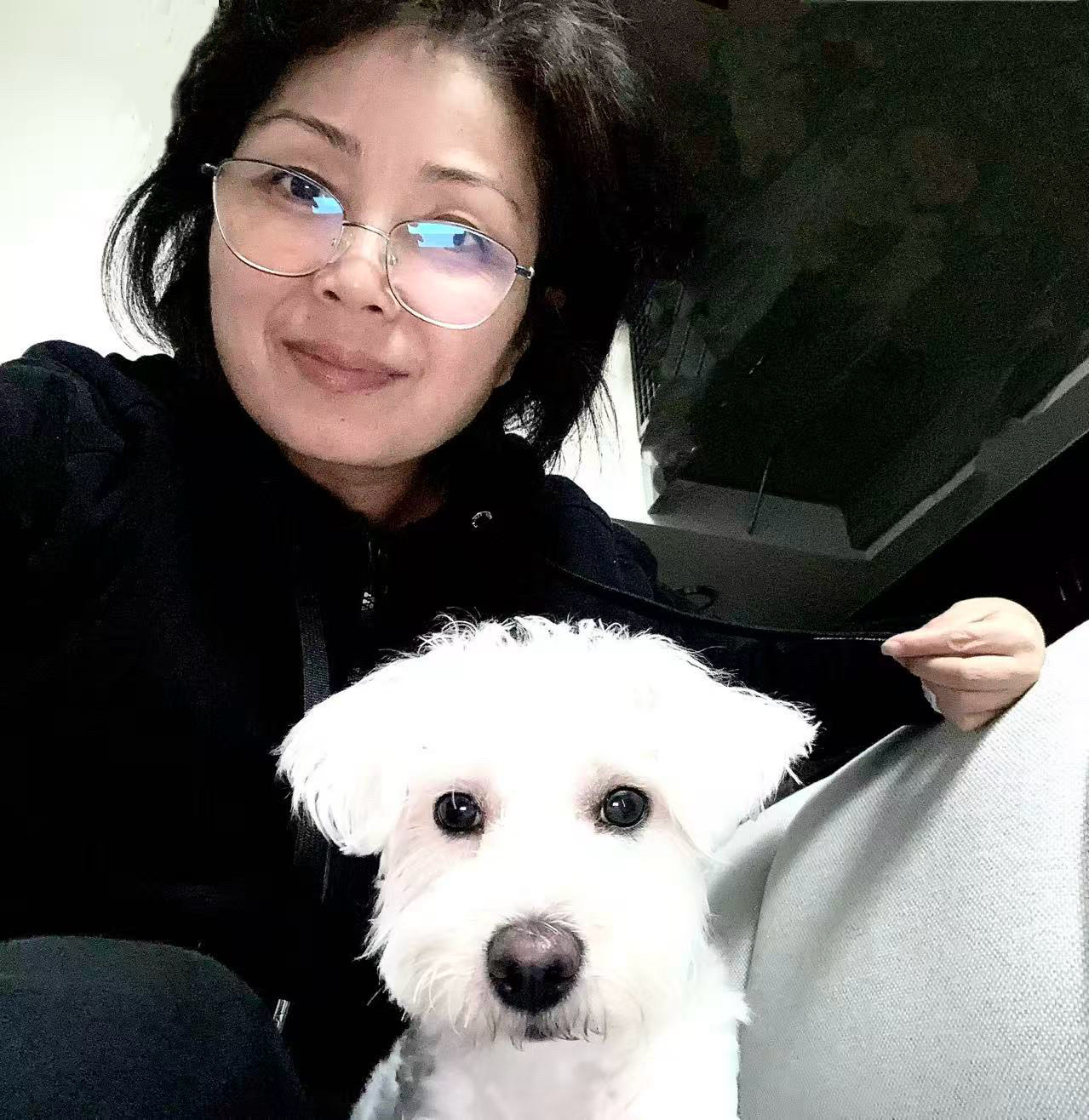
This poem captures a quiet, almost sacred moment between the poet and her puppy—a shared gaze that speaks where words cannot.

“The Wound of Solitude” is a poem for anyone who has ever felt alone in a crowd.
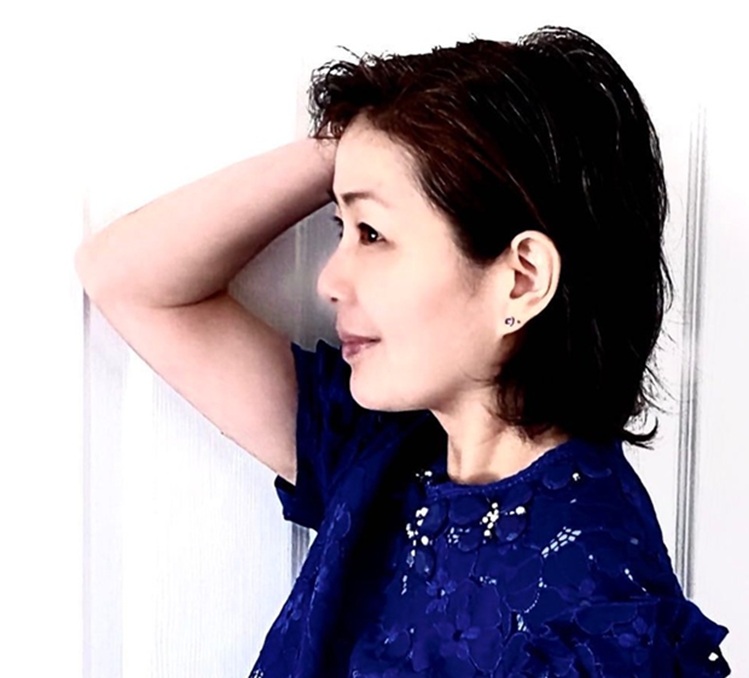
In “Sunday Is Real”, the Canadian poet distills the hush of a single day into an intimate meditation on love and presence.

The power of this poem lies in its refusal to aestheticize or philosophize despair.


The Society of We Are Canadians Too created Pancouver to foster greater appreciation for underrepresented artistic communities. A rising tide of understanding lifts all of us.
This project is funded in part by the Government of Canada.
We would like to acknowledge that we are gathered on the traditional and unceded territories of the Coast Salish peoples of the xʷməθkwəy̓əm (Musqueam Indian Band), Skwxwú7mesh (Squamish Nation), and Səl̓ílwətaɬ (Tsleil-Waututh Nation). With this acknowledgement, we thank the Indigenous peoples who still live on and care for this land.
This project is funded in part by the Government of Canada.
The Society of We Are Canadians Too created Pancouver to foster greater appreciation for underrepresented artistic communities. A rising tide of understanding lifts all of us.
We would like to acknowledge that we are gathered on the traditional and unceded territories of the Coast Salish peoples of the xʷməθkwəy̓əm (Musqueam), Skwxwú7mesh (Squamish), and Səl̓ílwətaɬ (Tsleil-Waututh) Nations. With this acknowledgement, we thank the Indigenous peoples who still live on and care for this land.
Independent arts journalism needs readers like you!
If you value stories like this, please consider supporting Pancouver.