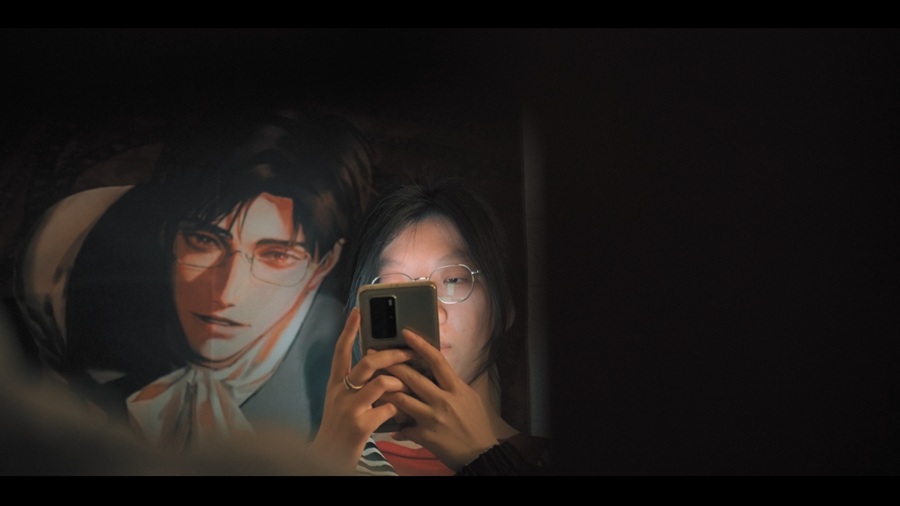
In the documentary Replica, Chouwa Liang explores Chinese women’s intimate relationships with AI
Replica not only touches on generational differences and feminist dilemmas but also reveals humanity’s self-exploration in the digital age.

Replica not only touches on generational differences and feminist dilemmas but also reveals humanity’s self-exploration in the digital age.

“Falling Petals” is a poem about letting go, remembering without being crushed, and finding a reason to face tomorrow.

The poem juxtaposes elements such as AI, tariffs, and oil prices with the ephemeral presence of the cherry blossom.
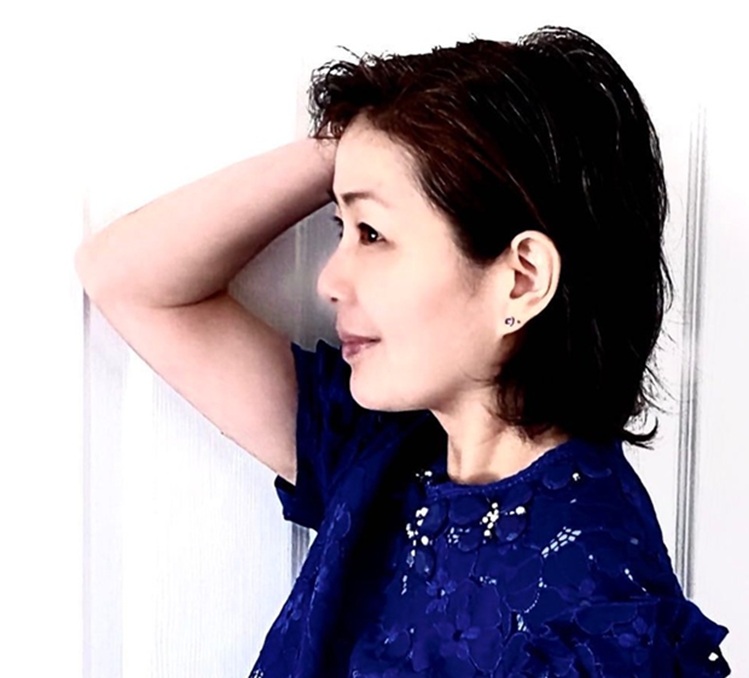
Xinman traces the journey of a rose—its beauty, its silence, its mortality—and invites us to witness how love persists in a world of turmoil.

In this New Year’s ode for the Year of the Horse, The Brave Spring weaves a warm fable around the thread of “sugar”.

On Valentine’s Day, a B.C. poet asks what comes first—love or the morning?
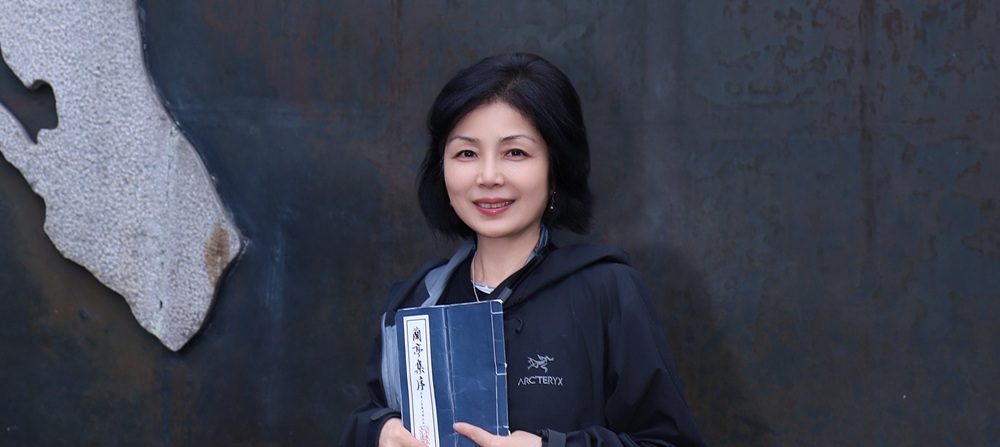
The River Cannot Be Blamed explores affection as a natural, unstoppable current—deep, sometimes dangerous, yet irresistible.

Have you ever stood under a full moon and felt not romance, but a profound and startling loneliness?
This is not a “peaceful morning poem”—it is a meditation on consciousness before daylight and on listening as resistance.

In “What We Carry into the New Year”, the Canadian poet writes from a sweetness that has survived winter, time, and the knowledge of hurt.

