
Cathy Xinman: I Try to Become a Morning
Xinman’s poem, “I Try to Become a Morning”, explores the exquisite tension between a desire for purity and the burden of earthly existence.

Xinman’s poem, “I Try to Become a Morning”, explores the exquisite tension between a desire for purity and the burden of earthly existence.

“Sleep, Do Not Fear Me” offers not just a reading experience, but a moment of profound and shared solace.
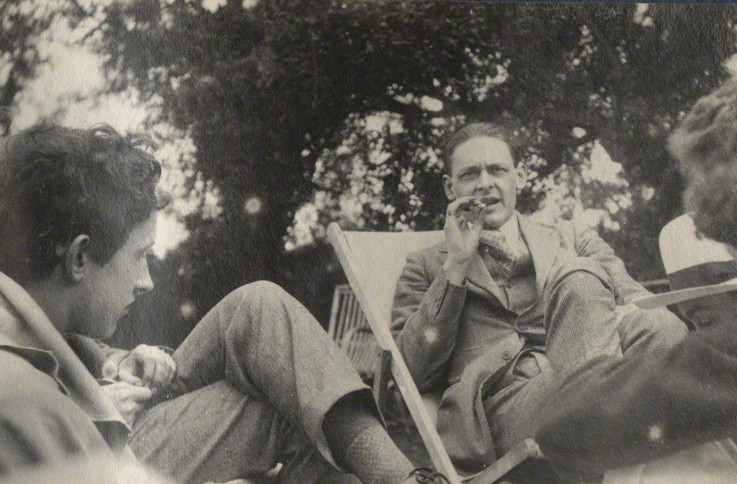
Eliot maintained that great verse must break free from the chains of private sentiment to forge universal human resonance.

Xinman’s poem reflects on time, aging, and human mortality, while celebrating the power of love, shared human experience, and the sun.

“There Is Only One Sun, Let Others Catch”, explores a central challenge of modern life: how to preserve inner independence.

Xinman’s poem, “True North · 2025”, functions simultaneously as allegory, historical narrative, and national reflection.
“Praying for the World” unfolds as a quiet meditation on parental hope and fear.
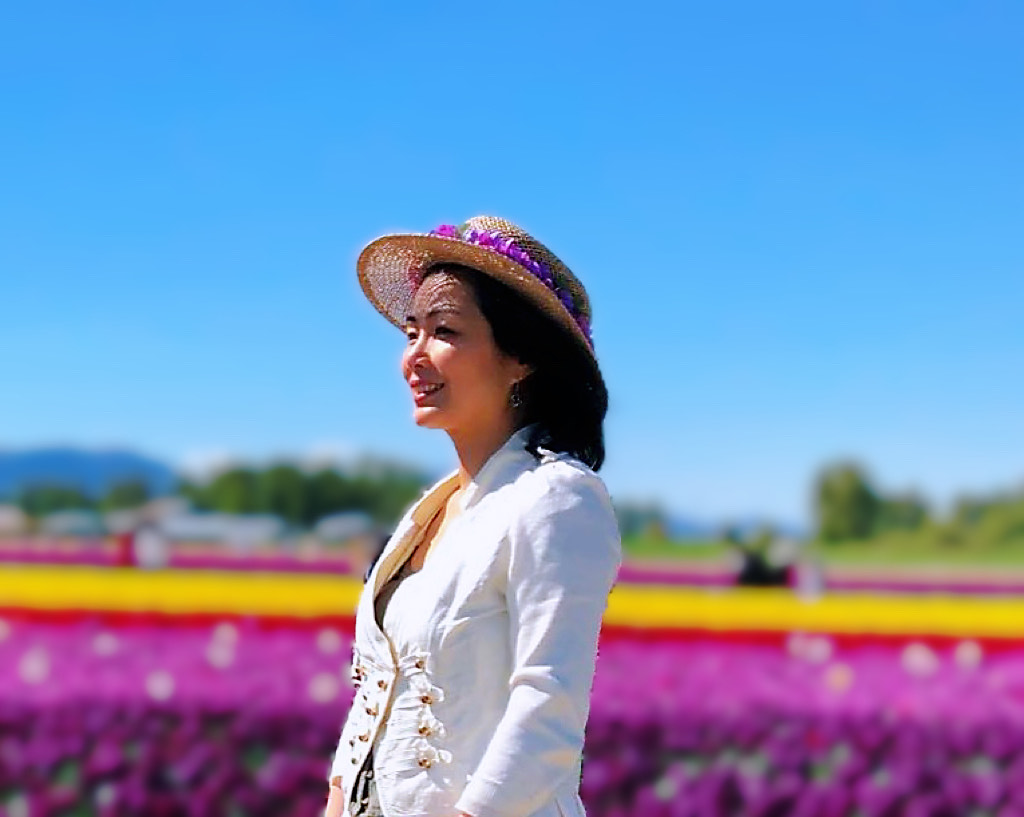
Xinman’s poem, “The Woman’s Womb”, explores resilience, motherhood, creation, and emotional cycles.
“Love Never” stands as a poetic testament to the enduring nature of love that transcends imperfections and hardships.
Xinman’s poem, “The Limits and Treasures of Time – Cherry Blossoms”, moves from loss to light.

